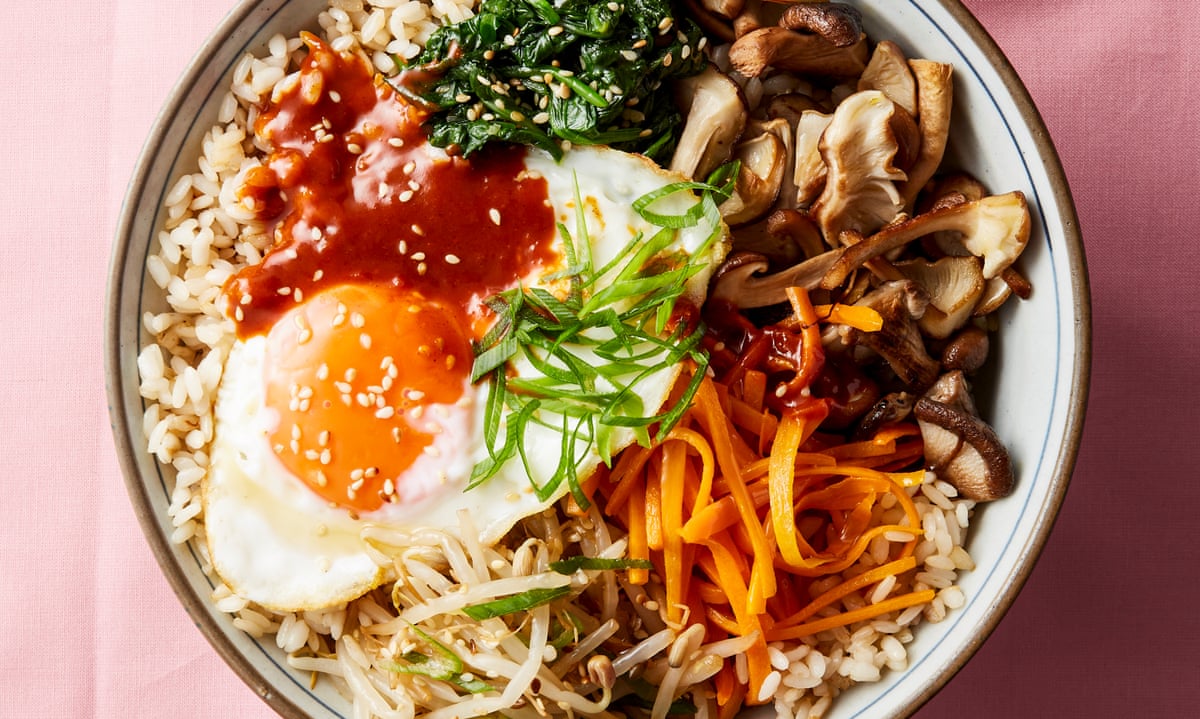
Sunday night. The fridge contains half an onion, suspicious spinach, leftover rice from Tuesday, and that container you’re afraid to open. Most people order pizza. Smart people make bibimbap.
What is bibimbap in the context of leftovers? It’s the dish that turns refrigerator roulette into dinner worth bragging about.
The genius lives in bibimbap’s flexibility. Unlike recipes demanding exact ingredients, bibimbap welcomes whatever’s hanging around your crisper drawer, feeling forgotten. That lonely carrot? Perfect. Mushrooms going soft? Ideal. Random vegetables from good intentions at farmers’ markets? They’ve found their calling.
The Leftover Liberation Movement
Bibimbap started as practicality disguised as tradition. Korean households needed ways to use small amounts of banchan (side dishes) before they spoiled.
Mix everything over rice, add an egg, and call it dinner. Resourcefulness became an art form. The necessity birthed deliciousness.
Modern kitchens face identical challenges. You buy vegetables with big plans. Life happens. Suddenly, that kale looks defeated, and the bell peppers have trust issues. Throwing food away feels like a criminal, but eating sad vegetables feels worse. Bibimbap offers redemption for both you and your product.
The transformation amazes everyone. Wilting vegetables revive through quick blanching and seasoning. Yesterday’s rice had a new purpose. That expensive organic spinach you forgot existed becomes the star it deserved to be. Nothing gets wasted. Everything gets appreciated.
The Fridge Archaeology Method
Creating leftover bibimbap requires archaeological excavation of your refrigerator. Start with the vegetable drawer, where good intentions go to die.
Carrots hiding since last month? They’ll julienne beautifully. Zucchini looking philosophical? Slice it thin and move on.
Check containers with mystery contents. Leftover roasted vegetables work perfectly. That half portion of last night’s stir-fry? Welcome aboard. Cooked grains from meal prep Sunday? Even better than fresh rice. Bibimbap accepts all refugees from previous meals.
Proteins hide everywhere. Leftover grilled chicken shreds nicely. That last piece of steak nobody claimed becomes the luxury topping. Forgotten tofu in the back transforms into crispy golden cubes. Even leftover meatballs work if you squint and call it fusion.
CookinGenie chefs master this improvisation daily. They assess available ingredients and create bibimbap magic from whatever exists. They know which leftovers combine beautifully and which need separation therapy.
The Seasoning Salvation
Raw leftovers need love before joining bibimbap. Each vegetable gets individual attention through Korean seasoning magic.
Spinach gets sesame oil and garlic. Bean sprouts meet soy sauce and green onions. Mushrooms find happiness with salt and pepper.
This individual seasoning transforms sad vegetables into intentional components. Five minutes per vegetable saves them from the compost. Blanch, squeeze, season, set aside. Repeat until your fridge looks less like vegetable hospice.
The beauty? These seasoned vegetables last days longer than raw ones. Make extras. Future you will appreciate having bibimbap components ready when hunger strikes and cooking feels impossible.
The Rice Resurrection
Leftover rice actually works better than fresh for bibimbap. Day-old rice loses excess moisture, meaning it crisps better in hot bowls and absorbs sauces without becoming mushy. That container of takeout rice haunting your fridge? It just became dinner’s foundation.
Mix different grains for a texture adventure. Brown rice, white rice, quinoa, farro, whatever grain seemed healthy when purchased.
Bibimbap doesn’t discriminate. The mixing process unifies everything anyway.
CookinGenie chefs know grain secrets. They revive dried rice with strategic moisture. They combine grains for nutrition and interest. They turn carbohydrate mistakes into purposeful choices.
The Zero Waste Win
What is bibimbap for sustainability warriors? It’s edible activism. Every vegetable saved from disposal reduces methane emissions. Every leftover repurposed prevents waste. Your dinner becomes an environmental statement without preachiness.
Restaurants create massive food waste. Home cooking often does too. Bibimbap offers the solution that tastes amazing while saving the planet, one forgotten vegetable at a time. Meal preppers discovered this efficiency years ago.
Prep components separately on Sunday. Assemble different combinations throughout the week. Never eat the same meal twice, despite using identical ingredients.
The Bowl Glow-Up
Some call bibimbap a “garbage bowl” affectionately. Everything gets thrown in, mixed up, and consumed happily. But garbage suggests waste. Bibimbap celebrates resourcefulness. It’s the difference between settling and creating.
CookinGenie chefs elevate leftover bibimbap beyond emergency dinner. They see potential where others see problems.
They combine remnants into restaurant-quality meals. They prove that “using what’s available” doesn’t mean compromising on excellence.
What is bibimbap ultimately?
It’s permission to stop feeling guilty about dying vegetables. It’s the solution to food waste that actually tastes incredible. Whether you’re raiding your own fridge or letting CookinGenie transform your leftovers into magic, bibimbap turns cleanup into cuisine.
Your refrigerator’s forgotten corners become dinner’s foundation. Those guilty vegetables become redemption stories. And Sunday night’s “nothing to eat” becomes Monday’s lunch envy.