A well-designed website is a critical tool for bariatric practices looking to connect with potential patients and build credibility online. In a competitive healthcare landscape, your website often serves as the first point of interaction. This makes bariatric website design a key factor in shaping patient perception and engagement. A thoughtfully structured site not only improves visibility but also supports patient trust, education, and long-term conversion. Understanding the essential features of an effective bariatric website ensures that practices can deliver a seamless and informative user experience.
Clear And Patient Focused Navigation
Easy navigation is one of the most important elements of any bariatric website. Visitors should be able to find relevant information quickly without confusion or unnecessary steps. Clear menus, organized pages, and intuitive layouts help guide users through the site efficiently. Patients often search for specific details such as procedures, qualifications, and expectations, so providing direct access to these sections improves usability. A well-structured navigation system ensures that visitors remain engaged and are more likely to explore the site further.
Informative And Educational Content
Bariatric patients typically spend time researching before making decisions, which makes educational content essential. A website should include detailed information about procedures, benefits, risks, and recovery expectations. Providing clear and accurate content helps patients feel informed and confident in their choices. High-quality content also supports visibility in search results, making it easier for potential patients to find the practice. Consistent updates and well-written material contribute to a more engaging and trustworthy online presence.
Strong Visual Design And User Experience
The visual appeal of a website plays a significant role in creating a positive first impression. Clean layouts, professional imagery, and consistent branding help establish credibility and trust. A clutter-free design ensures that visitors can focus on important information without distractions. How custom web design improves trust for bariatric patients becomes evident when a site reflects professionalism and attention to detail. A well-designed interface encourages users to stay longer and interact more with the content.
Mobile Responsiveness And Accessibility
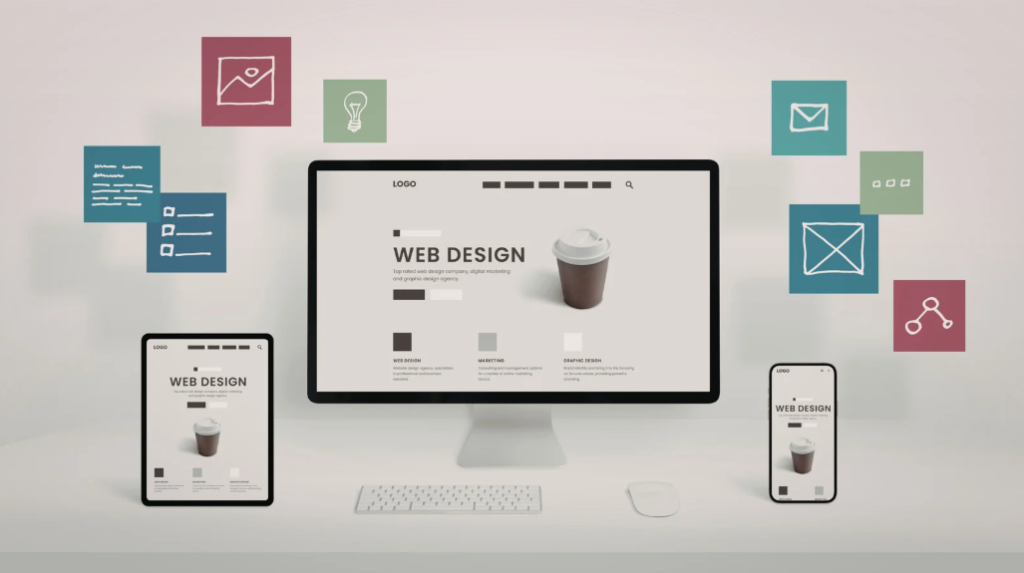
With many users accessing websites on mobile devices, responsiveness is a critical feature. A bariatric website must function seamlessly across different screen sizes and devices. Mobile-friendly design ensures that content remains readable and navigation remains smooth. Accessibility features such as clear fonts and easy-to-use interfaces also improve the experience for a wider audience. Ensuring that the website performs well on all devices enhances both usability and patient satisfaction.
Fast Loading Speed And Performance
Website performance has a direct impact on user experience and engagement. Slow-loading pages can lead to frustration and cause visitors to leave before exploring the site. Optimizing images, reducing unnecessary elements, and maintaining efficient coding practices help improve loading speed. A fast and responsive website keeps users engaged and supports better interaction. Performance optimization also contributes to improved search visibility, making it easier for potential patients to discover the site.
Secure And Reliable Platform
Security is essential for any healthcare-related website, as patients expect their information to be handled safely. A secure platform ensures that data is protected and that users feel confident when interacting with the site. Features such as secure connections and reliable hosting contribute to a trustworthy environment. Maintaining a secure website not only protects patient information but also reinforces the credibility of the practice.
Conclusion
An effective bariatric website design combines functionality, clarity, and user-focused features to create a strong online presence. From intuitive navigation to secure performance, each element plays a role in improving patient engagement and trust. By incorporating these essential features, bariatric practices can enhance their visibility, provide valuable information, and create a seamless experience that supports long term growth and patient satisfaction.