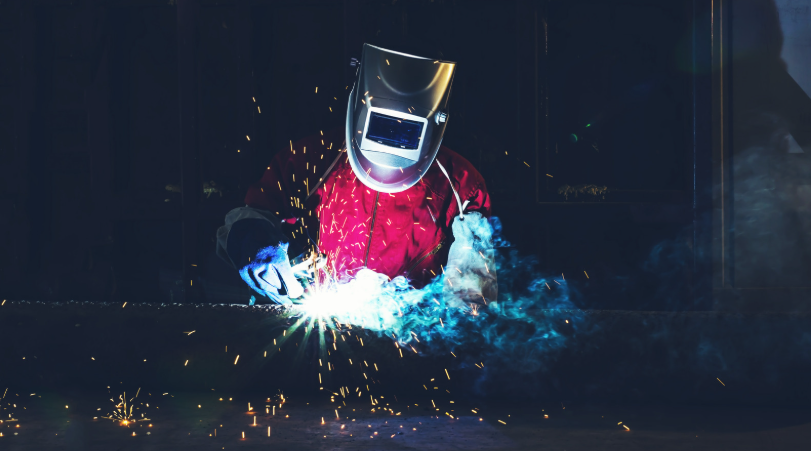
Welding processes generate hazardous fumes that can affect both worker health and overall air quality within a workspace. Managing these fumes effectively is essential for maintaining a safe environment and ensuring compliance with safety standards. Many industries rely on welding fume extractors to control airborne contaminants and improve indoor conditions. Understanding how different extraction methods work helps in choosing the right system for specific operational needs, especially when comparing air recirculation and exhaust-based solutions.
What Air Recirculation Means in Fume Extraction
Air recirculation systems work by capturing contaminated air, filtering it, and then returning it to the workspace. These systems use advanced filtration technology to remove harmful particles before the air is returned. This approach helps maintain indoor temperature and reduces energy loss, making it suitable for environments where climate control is important. Cleaned air is continuously cycled, which helps maintain consistent air quality. However, the effectiveness of recirculation depends heavily on the quality of filtration and regular maintenance of the system.
How Exhaust Systems Remove Contaminated Air
Exhaust-based systems operate by capturing welding fumes and expelling them completely outside the building. Instead of filtering and reusing the air, these systems remove contaminants entirely from the indoor environment. This approach is often preferred in settings where high levels of hazardous fumes are generated. By directing polluted air outdoors, exhaust systems reduce the risk of any remaining particles circulating inside. While highly effective, they may require additional considerations such as ventilation design and energy use due to the loss of conditioned indoor air.
Key Differences in Performance and Application
The primary difference between air recirculation and exhaust systems lies in how they handle contaminated air. Recirculation focuses on filtering and reusing air, while exhaust systems prioritize complete removal. This distinction affects performance, energy efficiency, and suitability for different work environments. Understanding why the fume extraction system is importants highlights how selecting the right method depends on factors such as the volume of fumes, workspace size, and regulatory requirements. Each system offers unique advantages, making it important to evaluate operational needs before deciding.
Impact on Energy Efficiency and Costs
Energy efficiency is a significant factor when comparing these two systems. Air recirculation systems tend to be more energy efficient because they retain conditioned air within the workspace. This reduces heating and cooling costs, especially in large facilities. On the other hand, exhaust systems can increase energy consumption since they continuously remove indoor air and require replacement air from outside. While exhaust systems provide strong contamination control, the added energy costs must be considered when evaluating long-term operational expenses.
Maintenance and Safety Considerations
Both systems require regular maintenance to ensure optimal performance and safety. Recirculation systems depend on high-quality filters that must be replaced or cleaned periodically to maintain effectiveness. If filters are not properly maintained, contaminants may remain in the air. Exhaust systems also require inspection to ensure that ducts and ventilation pathways remain clear and functional. Safety remains a priority in both approaches, and proper system upkeep ensures that workers are protected from harmful exposure in the workplace.
Choosing the Right System for Your Workspace
Selecting between air recirculation and exhaust systems depends on several factors, including the type of welding operations, the volume of fumes generated, and workspace layout. Facilities with lower contamination levels may benefit from recirculation systems, while high-intensity operations often require exhaust solutions for maximum effectiveness. Evaluating these factors helps determine which system provides the best balance of safety, efficiency, and performance. Making the right choice ensures a healthier work environment and improved operational outcomes.
Conclusion
Understanding the differences between air recirculation and exhaust systems is essential for effective fume management. Each approach offers distinct advantages depending on the needs of the workspace. By selecting the appropriate system and maintaining it properly, businesses can ensure safer air quality and better protection for workers. Proper fume extraction not only supports health and safety but also contributes to more efficient and reliable operations.