In high-stakes matches, referees issuing cards are always attention-grabbing moments. So, what are they?What is a yellow card in football?And why is it so important? This article will help you understand the regulations, meaning, and common situations related to the yellow card, while also providing an objective perspective XoilacTV.
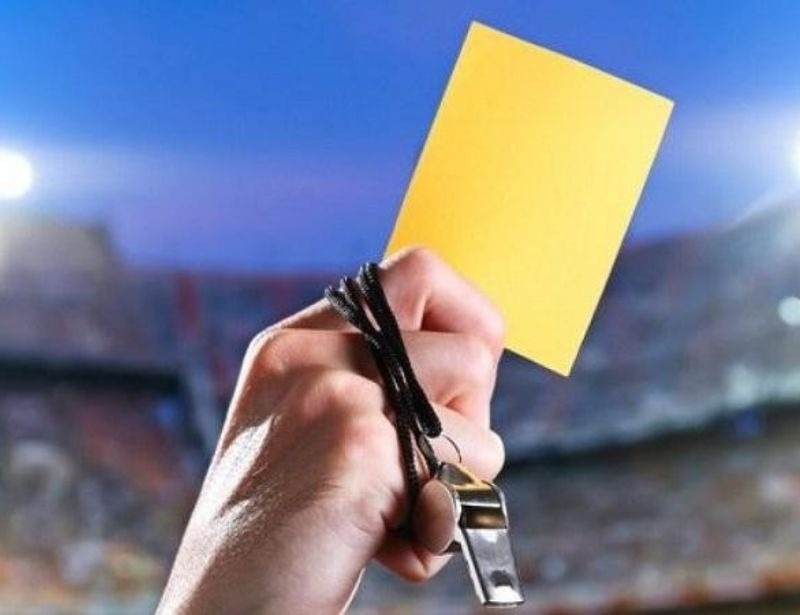
Yellow cards are almost always shown in every match.
What is a yellow card in football and where did it originate?
In modern competition rules,What is a yellow card in football?This is a fundamental but very important question for fans. It’s the referee’s official form of warning to a player for a moderate violation of the rules. A yellow card doesn’t result in immediate dismissal, but it’s a clear warning that they are nearing the risk of a red card if they continue to commit fouls.
The yellow card system was first introduced at the 1970 World Cup to make match officiating more transparent. Prior to that, warnings were based solely on verbal statements, which could easily lead to misunderstandings due to language barriers. Since its implementation, the yellow card has become an indispensable tool in professional football.
According to FIFA statistics, an average of 3-5 yellow cards are issued per professional match, depending on the intensity of the game. This demonstrates the prevalence of yellow cards and their importance in maintaining order on the field, as well as their impact on the game kqbd dem qua.
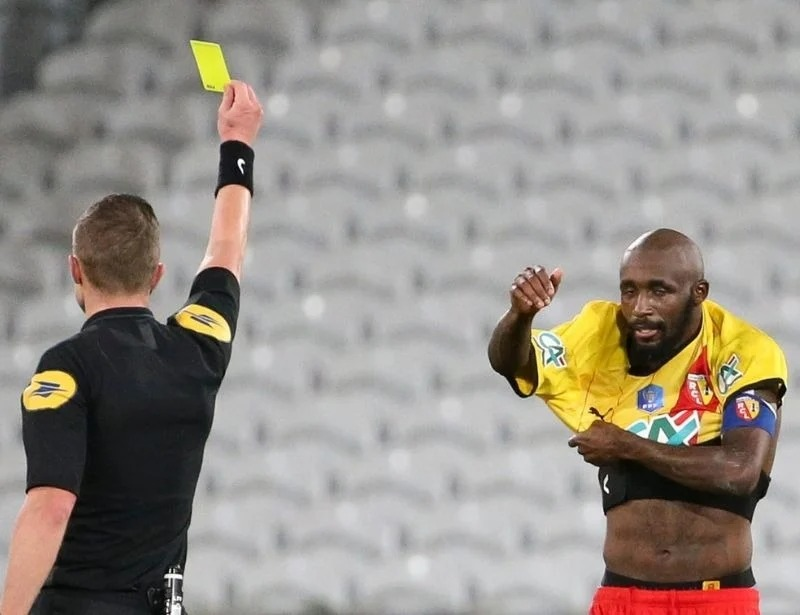
FIFA regulations provide detailed rules regarding yellow cards in football.
Fouls that result in a yellow card in football.
Clearly understand What is a yellow card in football?This will help you recognize common violations. According to the rules, there are many actions that can result in a yellow card for a player, from tactical fouls to unsportsmanlike conduct.
Common fouls that result in a yellow card.
One of the most common fouls is pulling a player’s shirt or illegally obstructing an opponent to prevent a counter-attack. In addition, fouls such as dangerous tackles, time-wasting, or failing to maintain distance during free kicks can easily lead to yellow cards. These situations frequently occur in major leagues like the Premier League, where the pace of the game is very high.
In addition, players who react excessively to the referee’s decisions may also be cautioned. For example, heated arguments, gesticulating wildly, or making disrespectful gestures are all considered unsportsmanlike conduct.
Tactical errors and the significance of yellow cards.
Receiving a yellow card doesn’t always have a completely negative meaning. In many cases, players accept a tactical foul to prevent a dangerous situation. This is a common tactic, especially in the midfield.
However, accumulating yellow cards can lead to a player being suspended for subsequent matches. According to the regulations of many leagues, receiving just 2–3 yellow cards in a certain number of matches can result in a player being suspended from playing. This significantly impacts a team’s tactics.
The role of the referee in issuing cards.
The referee has the final say in determining the winner.What is a yellow card in football?in each specific situation. They must assess the severity of the foul to make the correct decision.
The support of VAR technology in recent years has also helped referees make fairer decisions. However, the final decision still rests with a human, requiring experience and composure.
A warning card is a relatively severe form of punishment.
The impact of yellow cards on the game and the players.
When researchingWhat is a yellow card in football?The practical impact of a yellow card on the course of a match cannot be ignored. A yellow card is not just a warning; it also directly affects the player’s psychology and tactics.
First of all, players who have received a yellow card often have to play more cautiously to avoid receiving a second card. This can reduce the intensity in tackles. According to data from matches in Europe, players who have received a yellow card reduce their number of tackles by about 20–30%.
From a viewer’s perspective, yellow cards also add drama to the match. Fans watching viaFirePlayers often pay attention to the players who have received cards to predict the next developments. This is also a factor that increases the appeal of football.
A yellow card could have changed the course of the match.
Special regulations related to the yellow card.
It’s not just about understanding.What is a yellow card in football?Fans also need to understand the relevant regulations to have a more comprehensive view.
In many major tournaments, such as the UEFA Champions League, yellow cards are cleared after a certain number of rounds. This helps players avoid suspensions in important matches like the semi-finals or finals. This is a humane rule and ensures the attractiveness of the tournament.
Another noteworthy point is the rule regarding yellow cards for coaches. In modern football, not only players but also coaching staff can be penalized with cards for improper conduct. This demonstrates the strictness of today’s football rules.
Furthermore, receiving two yellow cards in the same match results in an indirect red card. This means the player is sent off and the team has to play with ten men. This is a common situation in tense matches.
Conclude
From the article, it can be seen thatWhat is a yellow card in football?The yellow card is not simply a form of warning, but also plays a crucial role in maintaining discipline and fairness on the field. From its origins and the types of fouls it addresses to its practical impact, the yellow card has always been an indispensable part of modern football.