Somewhere between the third gastroenterologist visit and the second dermatologist appointment, most patients start wondering whether anybody is looking at the full picture. The bloating won’t quit. Energy tanks by lunchtime. Skin has gone rogue with acne at thirty-six that nobody can explain. Every specialist keeps saying their area looks fine.
Blood work? Normal. Thyroid? Within range. So why does everything still feel off?
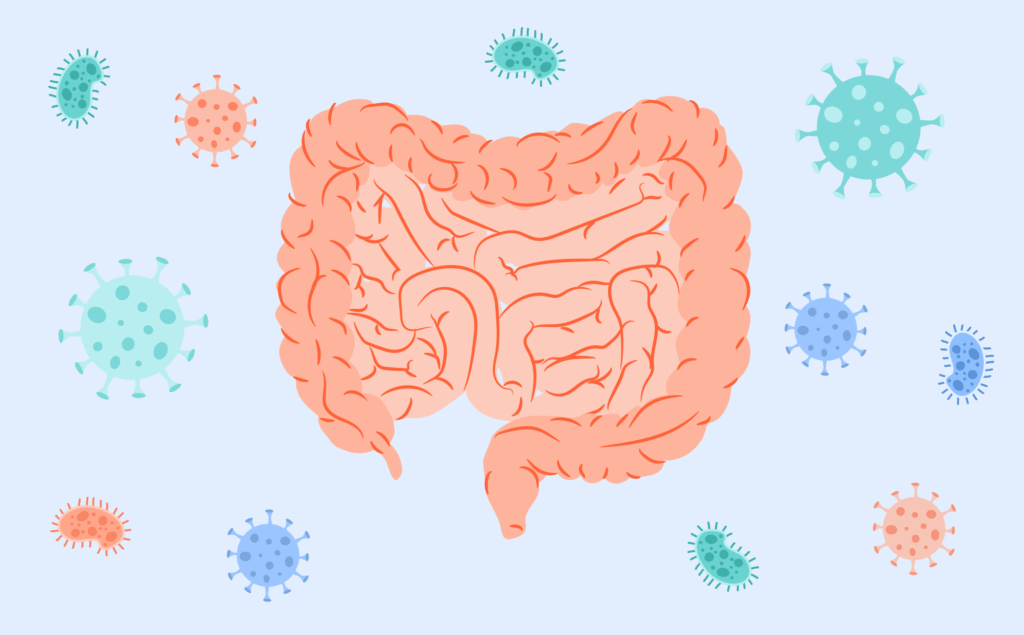
That disconnect has pushed a growing number of Indians toward getting a gut health check, not the routine stool test at a neighbourhood lab, but a comprehensive investigation that maps the bacterial ecosystem inside the digestive tract and reveals whether it’s functioning properly or quietly falling apart.
How the Standard Diagnostic Path Misses Gut Problems
The panels that most Indian hospitals run, CBC, metabolic markers, and organ function, were built to flag acute pathology and established disease. Microbiome problems build gradually over the years. A patient losing bacterial diversity won’t trigger abnormal values until downstream consequences, such as nutrient deficiency, autoimmune activation, and metabolic disruption, progress far enough to register conventionally.
That gap between early deterioration and clinical detection can span five to seven years. Lost opportunity for every patient whose current tests cannot explain their symptoms.
What Microbiome Disruption Actually Looks Like
Gut bacterial imbalance does not confine itself to the digestive system. Practitioners across Indian metro cities encounter these overlapping patterns with striking regularity.
| What Patients Report | The Microbiome Connection |
| Bloating regardless of dietary changes | Fermentation disrupted the wrong bacteria processing food in the wrong location |
| Unpredictable bowel habits | Motility affected by microbial imbalance or small intestinal overgrowth |
| Fatigue that sleep cannot resolve | Iron, B12, magnesium, and fat-soluble vitamin absorption are compromised |
| Adult-onset skin conditions: acne, eczema, and rosacea | Inflammatory compounds from the gut reach the skin through systemic circulation |
| Catching infections more often than seems reasonable | Published data puts diversity loss per course at roughly thirty per cent, with ecological recovery requiring weeks to months. |
| Compulsive sugar cravings | Bacterial and fungal populations are driving host cravings toward their substrates |
| Persistent mental fog or low mood | Serotonin production, predominantly gut-based disrupted by dysbiosis |
Patients rarely present with one symptom alone. Three, four, and five overlap after consulting specialists who each addressed their piece without recognising the shared origin.
Confirming that origin requires a gut health check beyond what standard diagnostic chains provide.
Three Forces Dismantling Gut Health Across Indian Cities
Antibiotic exposure ranks first. Broad-spectrum antibiotics dispensed for viral infections, where they provide zero therapeutic benefit, wipe out bacterial communities that took months to establish. Published data puts diversity loss per course at roughly thirty per cent, with ecological recovery requiring weeks to months. Patients receiving two or three courses yearly, common across Indian clinical practice, accumulate damage that stacks and compounds. Many of these patients would benefit from a gut health check long before symptoms become entrenched, yet the connection between antibiotic history and microbiome damage rarely gets raised in standard consultations.
Dietary displacement ranks second. Traditional cooking, vegetable diversity, whole grains, daily dahi, fermented kanji and achaar, legume-heavy meals have given way to processed eating within one generation. Maida products, seed oils, and refined sugars dominate weekday calories across Mumbai, Delhi, Bangalore, Hyderabad, and Chennai. These patterns starve beneficial bacteria while feeding inflammatory species.
Chronic stress amplifies both. Decreased gastric acid, slowed transit, increased permeability, microbial shifts toward pathogens, and documented consequences of sustained stress that Indian urban professional life delivers through extended commutes, demanding work cultures, and complex family dynamics.
What Getting Properly Tested Involves
A gut health check with genuine diagnostic value requires a comprehensive assessment of bacterial profiling through DNA sequencing, pathogen screening, inflammatory biomarker evaluation, digestive enzyme testing, and short-chain fatty acid measurement, indicating whether beneficial bacteria are performing their metabolic functions.
Practitioners may add organic acids testing or food sensitivity panels depending on presentation.
Functional medicine practitioners and microbiome-aware gastroenterologists now operate across Mumbai, Bangalore, Delhi, Pune, and Hyderabad. Infrastructure exists. Patient awareness that this investigation is available and relevant continues to lag behind.
Translating Results Into Targeted Rebuilding
Diagnostic specificity from a gut health check transforms treatment from guesswork into precision.
Depleted butyrate producers call for resistant starch, cooled, reheated rice, green bananas, rajma, and chole. Inflammatory overgrowth may require temporary restriction of identified triggers. Compromised diversity responds to traditionally fermented Indian foods, home-set dahi, winter kanji, sun-fermented achaar with mustard oil.
Probiotic supplementation occurs only when strains match laboratory findings. India’s commercial probiotic market is rapidly expanding, minimally regulated, and sells products that most consumers purchase without a diagnostic basis. Targeted strain selection outperforms blind supplementation consistently.
Conclusion
When symptoms persist despite normal lab values, there must be an exploration of other areas besides conventional blood chemistries. With a functional gastrointestinal assessment, one can detect the microbial dysfunctions, inflammation, and absorption issues not considered by routine laboratory workups. In the case of Indians with their undiagnosed medical problems, even after a thorough conventional evaluation, a complete analysis of the microbiome becomes the natural follow-up in unravelling their unique puzzle that specialists have all been seeing but not understanding.