Interior designers constantly face the challenge of sourcing statement furniture that balances visual impact with functional versatility. Finding pieces that feel both unique and adaptable enough to work across diverse client projects can be an exhausting pursuit. The black buffet sideboard offers an elegant solution to this dilemma—a furniture piece capable of anchoring an entire room while seamlessly integrating into nearly any design narrative. Whether you’re crafting a serene Scandinavian retreat or channeling the bold confidence of mid-century modern aesthetics, this single piece adapts with remarkable ease. Its dark, commanding presence provides the kind of visual weight that transforms ordinary spaces into curated interiors. In this article, we’ll explore the design versatility of black buffet sideboards, examine what sets designer-quality pieces apart, and walk through practical steps for selecting and placing them effectively. By the end, you’ll have actionable insights to leverage this timeless furniture piece in your next project with confidence and creativity.
The Versatility of a Black Buffet Sideboard in Modern Design
Black operates as the ultimate neutral in interior design—bold enough to make a statement yet remarkably compatible with every color palette imaginable. Unlike trendy hues that risk feeling dated within a few seasons, black carries an inherent timelessness that gives designers creative freedom without compromising longevity. A black buffet sideboard leverages this quality to become one of the most adaptable pieces in any furniture collection.
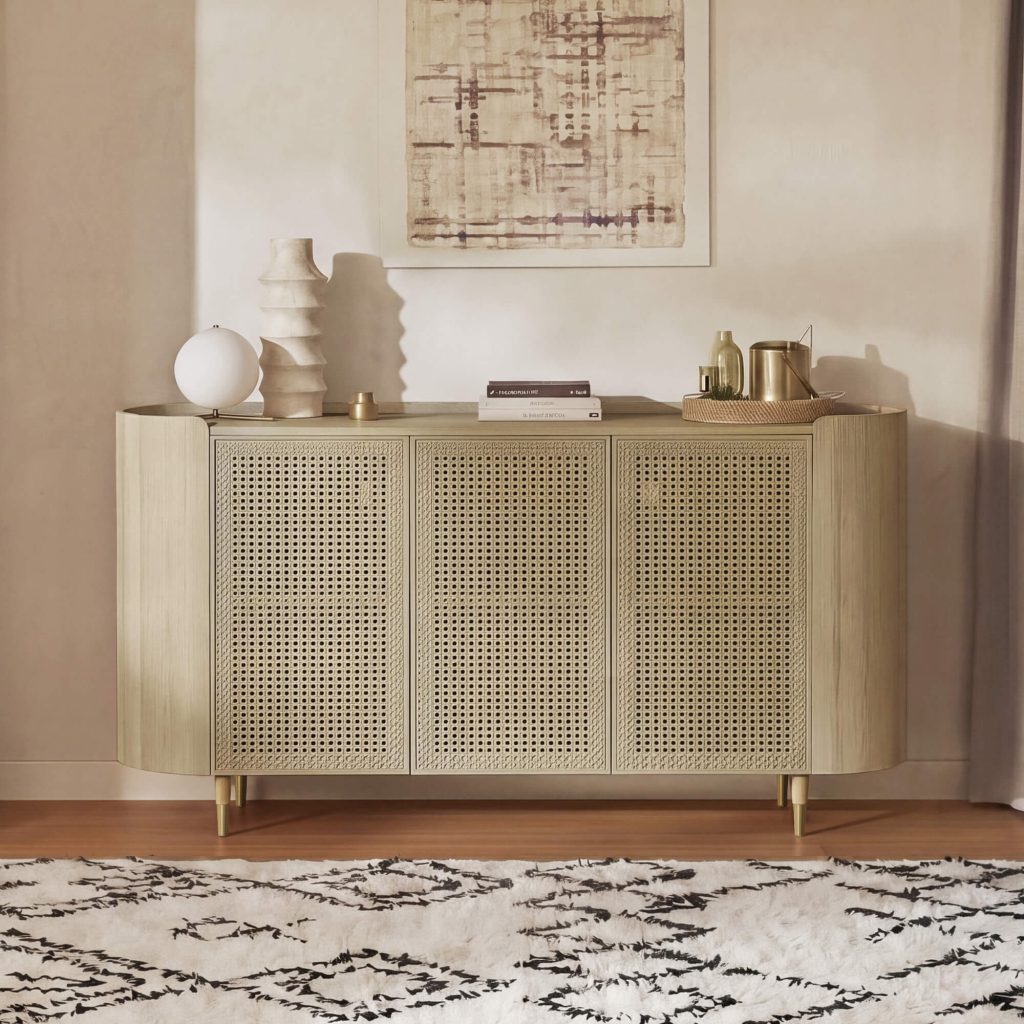
Its multifunctional nature is equally compelling. In a dining room, it serves as both storage solution and serving surface during gatherings. Positioned in a living room, it becomes a media console or display platform for curated art and objects. In an entryway, it grounds the space while offering a landing zone for everyday essentials. This chameleon-like adaptability means a single piece can fulfill dramatically different roles depending on context and client needs.
Beyond pure function, a black sideboard naturally commands attention and creates focal points within a room. Its dark surface draws the eye, establishing visual hierarchy and giving surrounding elements—whether a gallery wall above or sculptural objects on top—a stage to shine against. This ability to simultaneously anchor and elevate makes it indispensable for designers seeking pieces that do more than simply fill a wall.
Exploring Designer Sideboards for Unique Interiors
What elevates a sideboard from ordinary furniture to a designer piece lies in the convergence of superior craftsmanship, premium materials, and intentional exclusivity. Designer sideboards are conceived as artistic statements—each detail, from joinery techniques to surface treatments, reflects deliberate creative decisions rather than mass-production shortcuts. You’ll find hand-applied lacquer finishes that achieve a depth impossible through automated spraying, solid hardwood construction that ages gracefully over decades, and hardware selections that function as sculptural accents in their own right. Brands like Chitaliving demonstrate this philosophy by crafting wooden furniture pieces where material quality and design intention work in concert to create sideboards with genuine character.
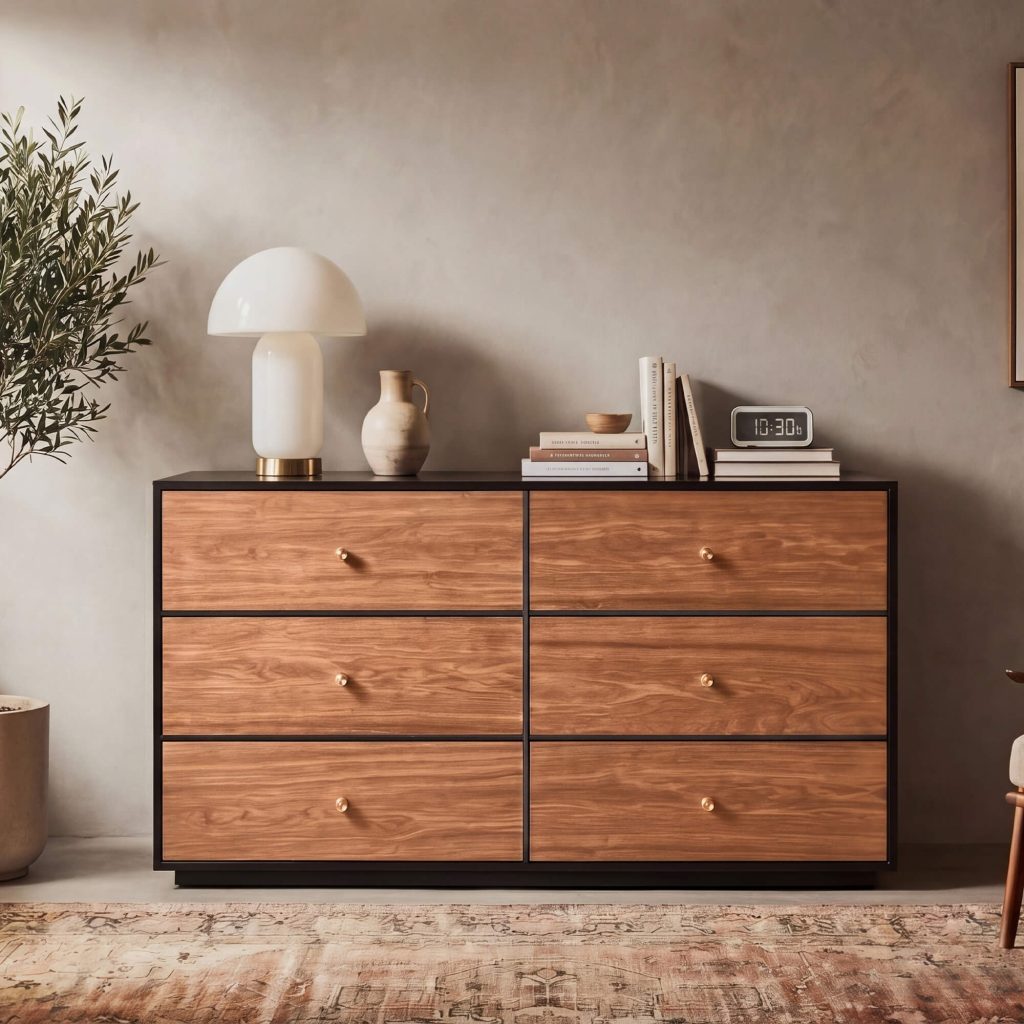
Investing in designer-quality pieces pays dividends for professionals seeking to differentiate their work. Clients notice the difference between a generic cabinet and a sideboard with beveled edges that catch light unexpectedly, or doors that close with a satisfying weighted precision. These tactile and visual details communicate care and sophistication, reinforcing your reputation for delivering interiors that transcend the ordinary. In a competitive market, specifying furniture with genuine design pedigree separates your projects from those assembled entirely from catalog standards.
Features that distinguish true designer sideboards include custom or limited-edition finishes—think matte black surfaces with subtle texture variations or high-gloss lacquer paired with brushed metal inlays. Innovative internal layouts, such as adjustable compartments or integrated cable management, demonstrate that beauty and practicality aren’t mutually exclusive. Asymmetrical door configurations, mixed-material facades combining wood with stone or metal, and unexpected proportions all signal a piece created with artistic intention rather than mere utility in mind.
Incorporating Sideboards into Various Design Styles
A black buffet sideboard’s true power emerges when it’s thoughtfully placed within a specific design language. Rather than existing as a standalone object, it becomes part of a cohesive visual story—one that speaks to the client’s personality and the space’s architectural character. The key lies in understanding how material choices, proportions, and styling decisions shift the same fundamental piece from one aesthetic territory to another. Designers who master this adaptability can confidently specify black sideboards across vastly different projects, knowing the surrounding context will shape perception far more than the piece itself.
Scandinavian Design with Sideboards
Scandinavian interiors thrive on restraint—clean geometry, honest materials, and a palette dominated by whites, pale grays, and warm timber tones. Within this lightness, a black buffet sideboard introduces deliberate contrast that prevents the space from feeling washed out or one-dimensional. The trick is selecting pieces with simple silhouettes and minimal ornamentation so the dark finish reads as graphic punctuation rather than visual heaviness. Pair it with oak or ash flooring, a single ceramic vessel on top, and perhaps a woven textile runner to soften the surface. Wall-mounted shelving in natural birch above the sideboard creates vertical rhythm while maintaining the airy openness Scandinavian design demands. Keep hardware discrete—integrated pulls or push-to-open mechanisms preserve those uninterrupted lines that define the style.
Mid-Century Sideboards: Blending Retro and Modern
Mid-century design celebrates organic curves, splayed or tapered legs, and a playful tension between geometric form and natural warmth. A black sideboard in this idiom typically features legs that lift the cabinet body off the floor, creating visual lightness and a sense of floating elegance. Look for subtle details like angled edges, slatted door fronts, or brass ferrules capping wooden legs—these small gestures anchor the piece firmly in its era without feeling costumey. To keep the look contemporary rather than nostalgic, integrate the sideboard with current elements: a modern abstract print hung asymmetrically above, a sculptural table lamp with clean lines, or a terrazzo tray corralling objects on the surface. This dialogue between decades creates interiors that feel collected over time rather than pulled from a single catalog page.
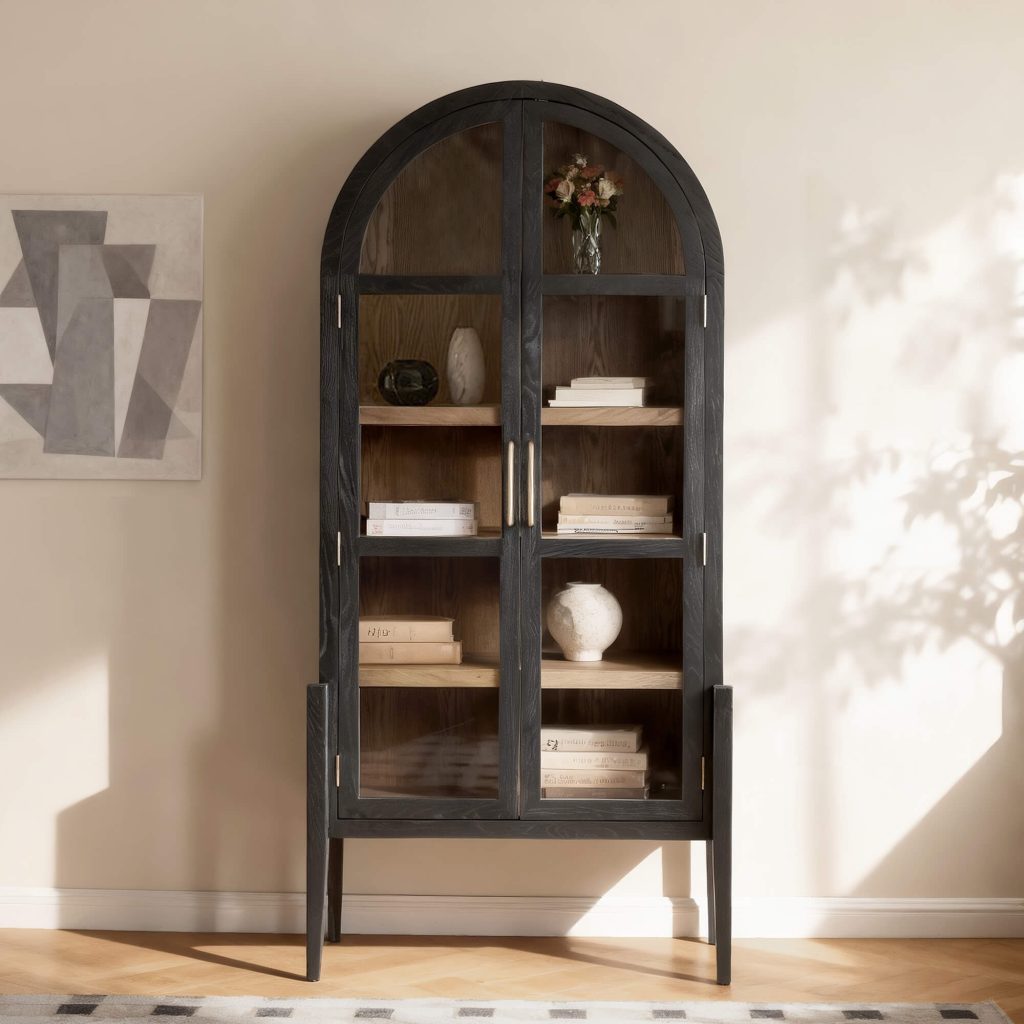
Maximizing Storage with Functional Sideboards
Beyond their visual contribution, sideboards earn their place in a room through thoughtful storage architecture. The interior configuration matters as much as the exterior finish—adjustable shelving accommodates everything from oversized platters to vinyl collections, while shallow drawers keep table linens, cutlery, or office supplies organized and accessible. Deep cabinets with soft-close doors conceal items that benefit from being hidden, maintaining the clean surface presentation clients expect from a curated interior.
When advising clients, frame storage selection around their daily routines rather than abstract capacity. A family that entertains frequently needs a sideboard with wide compartments for serving ware and perhaps a dedicated section for barware and bottles. A client using the piece in a home office benefits from file-depth drawers and internal dividers that prevent paper clutter from migrating to visible surfaces. For smaller rooms, prioritize vertical internal organization—stacked compartments and door-mounted racks maximize capacity without demanding additional floor space. Always consider the relationship between the sideboard’s depth and the room’s traffic flow; a piece deeper than eighteen inches can obstruct narrow corridors, while shallower profiles work beautifully in hallways without sacrificing meaningful storage. Matching internal function to lifestyle ensures the sideboard remains actively used rather than becoming decorative dead weight.
Practical Steps for Selecting and Placing a Black Buffet Sideboard
Start by assessing the room’s purpose and your client’s lifestyle. A dining room sideboard serves different demands than one destined for a home office or living area, so clarify primary use cases before browsing options. Next, measure the available wall space, noting ceiling height, adjacent doorways, and clearance needed for traffic flow—allow at least thirty-six inches of walkway in front of the piece for comfortable movement. With dimensions established, choose a design style that aligns with the project’s broader narrative; a sleek, leg-less profile suits contemporary schemes, while tapered legs and warm wood accents signal mid-century sensibility. Then evaluate storage features critically—count the drawers, test shelf adjustability, and confirm internal depth accommodates the specific items your client needs to store. Finally, implement placement and styling with intention. Position the sideboard where it anchors a visual axis, such as centered beneath a statement mirror or flanked by wall sconces that cast warm downward light. Accessorize the surface with odd-numbered groupings—a lamp, a vase, and a small sculptural object create dynamic asymmetry that feels curated rather than cluttered. These deliberate steps transform selection from guesswork into a repeatable, confident process.
Anchoring Your Interiors with Timeless Style and Function
The black buffet sideboard stands as one of the most reliable tools in an interior designer’s repertoire—a piece that delivers visual authority, functional depth, and stylistic flexibility in equal measure. Its strength as a timeless neutral means it transcends trend cycles, while its adaptability across Scandinavian minimalism, mid-century warmth, and contemporary boldness ensures relevance in virtually any project brief. The storage capabilities alone justify its inclusion, but when paired with designer-level craftsmanship and intentional placement, it becomes the kind of signature element that elevates an entire room. By following a structured selection process—assessing client needs, measuring carefully, aligning with the project’s design language, and styling with purpose—you transform what could be a routine furniture choice into a strategic design decision. Apply these insights to your next project and let the black buffet sideboard do what it does best: anchor the space, organize the chaos, and give your clients an interior that feels both considered and effortlessly sophisticated.