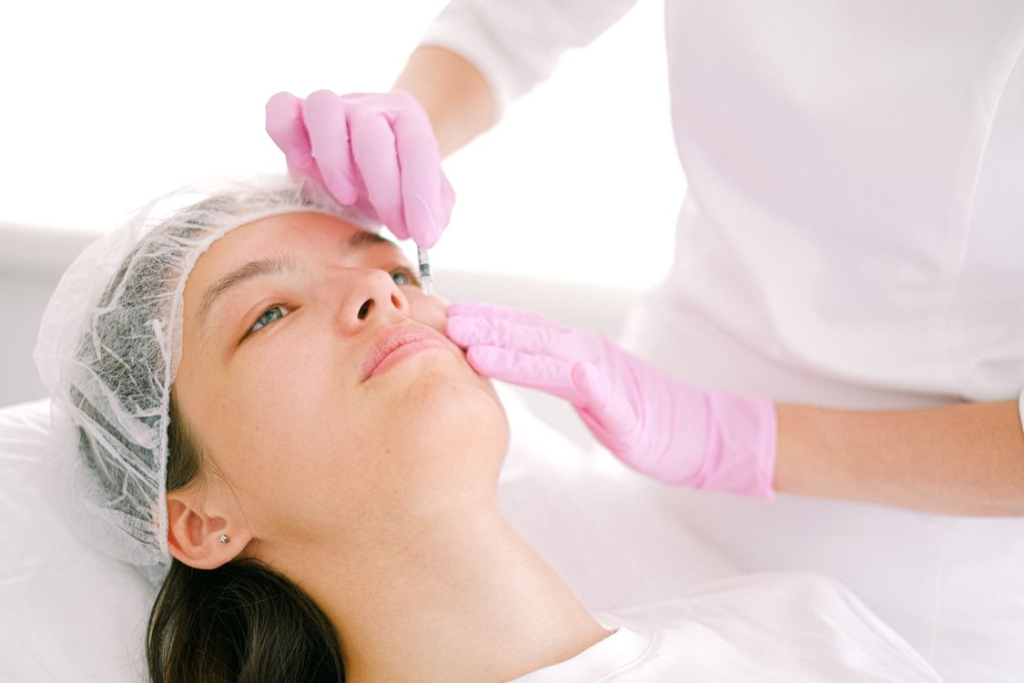
The aesthetic consultation team had already completed facial mapping, reviewed treatment objectives, and evaluated skin characteristics before recommendations were finalized. At that stage, the discussion focused on restoring facial balance, improving contours, and addressing areas where natural volume had gradually diminished.
Across cosmetic medicine, treatment goals have shifted toward subtle enhancement rather than dramatic alteration. Patients researching dermal fillers Dubai often seek refined improvements that support facial harmony while maintaining their natural appearance.
How Dermal Fillers Work Beneath the Skin
Dermal fillers are injectable treatments designed to add volume beneath specific areas of the face. They help improve contours, support facial structure, and reduce the appearance of hollow or sunken regions.
As collagen production decreases and facial fat distribution changes with age, certain features may lose definition. Volume restoration helps address these concerns while preserving overall facial balance and proportion.
Why Facial Volume Changes Over Time
The aging process affects more than the surface of the skin. Structural changes occur beneath the skin, influencing the way facial features appear over time.
Volume reduction may affect the cheeks, temples, jawline, lips, and under-eye region. These changes can alter facial contours and contribute to a less defined appearance even when skin quality remains relatively good.
Common Treatment Areas for Volume Enhancement
Different facial regions require different treatment strategies. Careful planning allows practitioners to address concerns while maintaining a balanced appearance.
Patients often benefit from a comprehensive assessment because improving one area can influence the overall harmony of surrounding facial features.
Cheek Restoration
The cheeks play a major role in facial structure. Additional support in this area can improve contour and create a more balanced appearance.
Lip Enhancement
Lip treatments may focus on shape, symmetry, definition, or volume. The objective is often refinement rather than excessive enlargement.
Jawline Definition
Strategic volume placement along the jawline may improve lower-face structure and contribute to a more sculpted profile.
Chin Projection
Improving chin balance can influence overall facial proportions. Small adjustments often create noticeable improvements in profile harmony.
Under-Eye Support
Certain patients experience volume loss beneath the eyes. Careful treatment planning may help reduce the appearance of hollowness in this region.
Temple Rejuvenation
Volume loss in the temples can affect facial shape. Restoring support in this area may contribute to a more balanced upper face.
Smile Line Softening
Treatments around the mouth may help reduce the appearance of deeper facial folds while preserving natural expression.
Facial Symmetry Improvement
Minor differences between facial sides are common. Strategic adjustments may help create greater visual balance without altering natural features.
The Role of Consultation and Assessment
A successful treatment plan begins with a detailed consultation. Practitioners evaluate facial anatomy, skin condition, medical history, and aesthetic objectives before recommending any procedure. This process helps identify areas where treatment may provide meaningful improvement. Rather than focusing on one concern alone, clinicians often assess how various facial regions work together.
Dynamic facial movement is also considered during planning. Observing expressions helps practitioners understand how treatment outcomes may appear during everyday activities. Individualized planning remains essential because facial structure varies significantly from person to person.
What Happens During a Typical Treatment Session
Most filler procedures are performed in a clinical setting and generally require minimal interruption to daily routines. Treatment duration varies depending on the areas being addressed. Following preparation, carefully selected injection points are used to place the product beneath the targeted regions. Precision is important because facial anatomy differs throughout the face.
Patients may experience temporary swelling, redness, or tenderness following treatment. These effects are usually mild and improve during the recovery period. Follow-up reviews may be scheduled when additional assessment is beneficial. This allows practitioners to evaluate outcomes and discuss future treatment considerations.
Factors That Influence Treatment Planning
Several variables contribute to the development of an effective treatment strategy. Every recommendation should align with facial structure, goals, and clinical findings.
Practitioners often evaluate:
- Facial proportions
- Existing volume distribution
- Skin characteristics
- Treatment objectives
- Medical history
Careful analysis helps support outcomes that appear balanced while reducing the likelihood of overcorrection.
Integrating Aesthetic Care With Broader Wellness Services
Many individuals prefer healthcare environments that provide access to multiple specialties under one location. Convenience and continuity often contribute positively to the overall patient experience. Those researching dental clinic Dubai services may also explore facilities that offer aesthetic treatments alongside other healthcare solutions. This integrated model can simplify care planning for individuals seeking multiple services.
Comprehensive treatment planning often extends beyond a single procedure. Practitioners may recommend complementary approaches based on individual goals and clinical evaluation. A coordinated approach helps ensure that different treatments work together to support overall aesthetic objectives.
Long-Term Considerations for Facial Rejuvenation
Modern aesthetic medicine increasingly emphasizes gradual enhancement rather than dramatic transformation. Consistent planning and realistic expectations often contribute to greater long-term satisfaction. Patients frequently benefit from periodic assessments that evaluate facial changes over time. These reviews help practitioners adjust treatment strategies according to evolving needs and preferences.
Maintaining facial harmony requires more than addressing a single concern. A broader understanding of facial anatomy, volume distribution, and aging patterns often supports better outcomes. When treatment decisions are guided by careful assessment and professional expertise, results are more likely to appear natural and proportionate.
Final Thoughts
Looking for a way to enhance facial contours without surgery? Small refinements can create meaningful improvements when treatment plans are tailored to individual facial characteristics and aesthetic goals. In the middle of that journey, Queens Medical Centers provides comprehensive healthcare and aesthetic services supported by experienced professionals, personalized consultations, and patient-focused treatment planning. For individuals considering non-surgical facial enhancement, learning more about dermal fillers in Dubai can help support informed and confident treatment decisions.