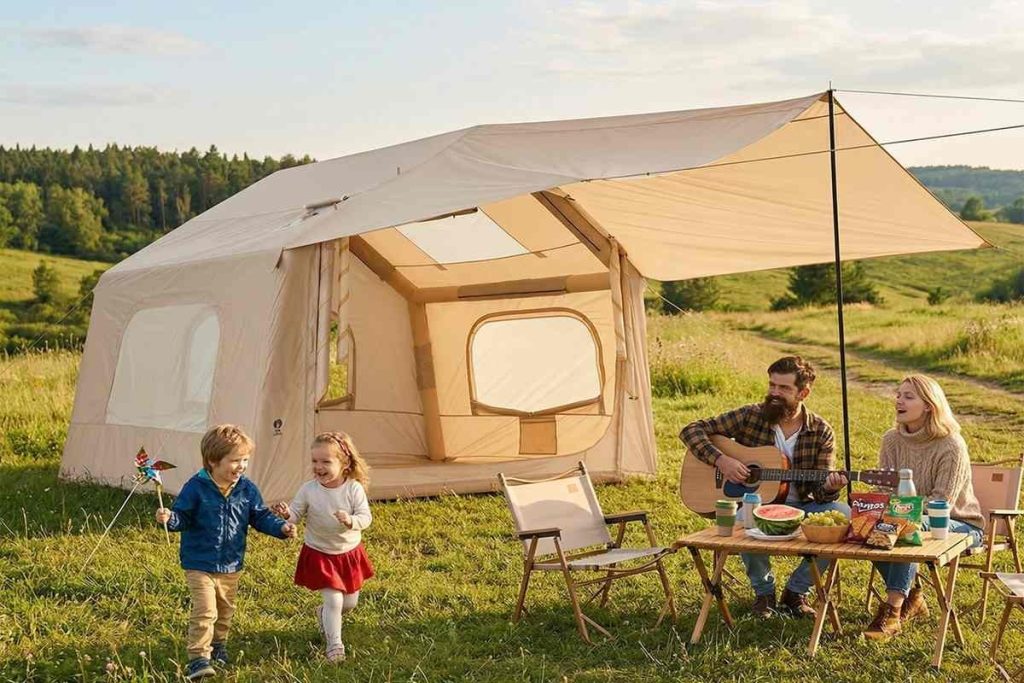
A weekend outdoors can be the perfect way to escape busy routines, spend quality time with loved ones, and reconnect with nature. However, a successful trip depends greatly on how well your campsite is planned. A comfortable camping tent setup does not require excessive equipment or a large budget. With thoughtful preparation, the right gear, and a practical arrangement, even a simple campsite can feel relaxing and welcoming.
Whether you are travelling alone, with friends, or with your family, creating a comfortable outdoor space allows you to enjoy your surroundings without sacrificing convenience. From choosing the right shelter to organising your sleeping area, every detail can make a difference.
Choose the Right Campsite
The location of your campsite has a major effect on comfort. Before setting up your tent, look for level, dry ground that is free from sharp stones, exposed roots, or areas where water may collect. A flat surface makes sleeping easier and helps prevent discomfort throughout the night.
Consider the surrounding environment as well. A site with some natural shade can provide relief during warm afternoons, while protection from strong winds can make your stay more pleasant. Avoid setting up directly beneath unstable branches or in low areas that could become muddy after rain.
Think about convenience too. A campsite located near suitable walking trails, water sources, or toilet facilities may be more practical, particularly for families and first-time campers. Spending a little time choosing the right spot can make the entire weekend more enjoyable.
Create a Comfortable Sleeping Area
A good night’s sleep is one of the most important parts of any outdoor adventure. Even the best scenery will not feel enjoyable if you wake up tired and uncomfortable. Start with a reliable camping tent that offers enough room for everyone and provides suitable protection from changing weather conditions.
Your sleeping system should include more than just a sleeping bag. A sleeping mat or inflatable mattress provides insulation from the cold ground while also adding valuable cushioning. Choose a sleeping bag suitable for the expected temperatures, and consider bringing a small pillow or a compact travel pillow for additional support.
Keep personal items organised near your sleeping area. A small bag or storage pocket can hold items such as a phone, glasses, torch, and water bottle. This prevents you from searching through bags during the night and keeps the tent tidy.
Plan Your Campsite Layout
A well-organised campsite feels more comfortable because everything has a clear place. Before unpacking, consider how you want to divide the area. Keep the sleeping zone separate from cooking and eating spaces whenever possible.
A simple layout may include:
- A sleeping area inside the tent
- A cooking and food preparation space
- A seating area for relaxing
- A designated storage space for bags and equipment
Avoid placing cooking equipment too close to the tent. Food smells can attract insects and animals, while cooking near fabric shelters can also create unnecessary safety risks. Keeping equipment organised makes it easier to move around and reduces the chances of losing small items.
Add a Relaxing Seating Area
A comfortable seating area can transform a basic campsite into a pleasant outdoor living space. Folding chairs are convenient, but a durable camping mat or outdoor blanket can also create a welcoming place to sit, read, talk, or enjoy the scenery.
If you are planning your own camping setup ideas, focus on practical comfort rather than bringing everything from home. A lightweight table can be useful for preparing food, playing games, or keeping drinks and small items off the ground.
For longer evenings, consider safe lighting options such as rechargeable lanterns or battery-powered lights. Soft lighting can make the campsite feel more inviting while also helping everyone move around safely after dark.
Pack Practical Cooking Equipment
Food often becomes one of the highlights of a weekend outdoors. You do not need a complete kitchen to prepare satisfying meals, but choosing practical cooking equipment can make the process much easier.
A compact stove, fuel, cooking pot, pan, utensils, and reusable plates are usually enough for simple meals. Plan your menu before leaving so that you can pack only the ingredients you need. Pre-prepared ingredients can save time and reduce washing up at the campsite.
Always store food securely and clean cooking equipment after use. Keeping the cooking area clean helps prevent unwanted insects and keeps your campsite more pleasant.
Focus on Weather Protection
Weather can change quickly, so a comfortable campsite should be prepared for more than one type of condition. Check the forecast before travelling, but do not rely on it completely. Pack waterproof layers, warm clothing, and sun protection according to the season.
A camping tent or tarp can be especially useful during rainy weather. It creates a dry area for sitting, cooking, or storing equipment outside the tent. In warm conditions, shade can make the campsite significantly more comfortable.
Layering clothing is another effective approach. Several lightweight layers allow you to adjust your clothing as temperatures change throughout the day.
Bring the Right Essentials
Packing efficiently requires a balance between comfort and practicality. The best outdoor camping essentials are items that serve a clear purpose and can be used in different situations.
Important items may include:
- A first-aid kit
- Headlamps or torches
- Extra batteries or power banks
- Water containers
- Insect repellent
- Sun protection
- A multi-purpose tool
- Rubbish bags
- Weather-appropriate clothing
It is also wise to carry a small emergency kit containing basic supplies for unexpected situations. Being prepared does not mean overpacking; it means choosing equipment that improves safety and convenience.
Make Family Camping Easier
When children are involved, organisation becomes even more important. Comfortable family camping gear should be easy to use, durable, and suitable for the needs of every age group.
Children may enjoy having their own small backpack with personal items such as a water bottle, warm layer, torch, and a few activities. Bringing simple games, books, or outdoor activities can help keep everyone entertained when there is a break from exploring.
Families should also establish simple campsite rules. Children should know where they can play, how to stay away from cooking equipment, and what to do if they become separated from the group. Clear boundaries help everyone enjoy the trip safely.
Keep the Campsite Organised
A tidy campsite is generally a more comfortable campsite. Store frequently used items where they can be reached easily, while keeping valuable or weather-sensitive equipment protected.
Use separate bags for clothing, cooking equipment, and personal items. Waterproof storage containers or dry bags can help protect important belongings from rain and moisture. At the end of each day, take a few minutes to put everything back in its proper place.
These simple camping comfort tips can make a noticeable difference, especially when you are tired after a day of walking or exploring.
Prepare for a Better Weekend
The most enjoyable trips are usually the ones that are planned without becoming overly complicated. Before leaving home, check your equipment, charge electronic devices, prepare food, and review the expected weather conditions.
Create a simple checklist and make sure everyone knows what they are responsible for bringing. Avoid packing unnecessary items that add weight without providing real value. A lighter, well-organised setup is often more enjoyable than a campsite filled with equipment.
Smarter Camping with Garvee
Garvee offers practical camping products designed to make outdoor adventures more comfortable, convenient, and organised. From essential equipment to useful outdoor solutions, its range helps campers create a more enjoyable setup without unnecessary hassle.
With Garvee, preparing for a trip becomes easier through dependable products made for everyday outdoor needs. Whether you are planning a short escape or a longer adventure, the right gear can help you spend less time managing your campsite and more time enjoying nature.
Conclusion
Building a comfortable campsite for a weekend adventure is about thoughtful planning rather than expensive equipment. Choosing a suitable location, creating a supportive sleeping area, organising your layout, preparing practical meals, and protecting yourself from changing weather can greatly improve the outdoor experience.
With the right preparation, weekend camping with a comfortable camping tent can become a relaxing and rewarding way to enjoy nature. A comfortable setup allows you to spend less time dealing with avoidable problems and more time exploring, sharing meals, relaxing beneath the open sky, and creating memorable experiences outdoors.