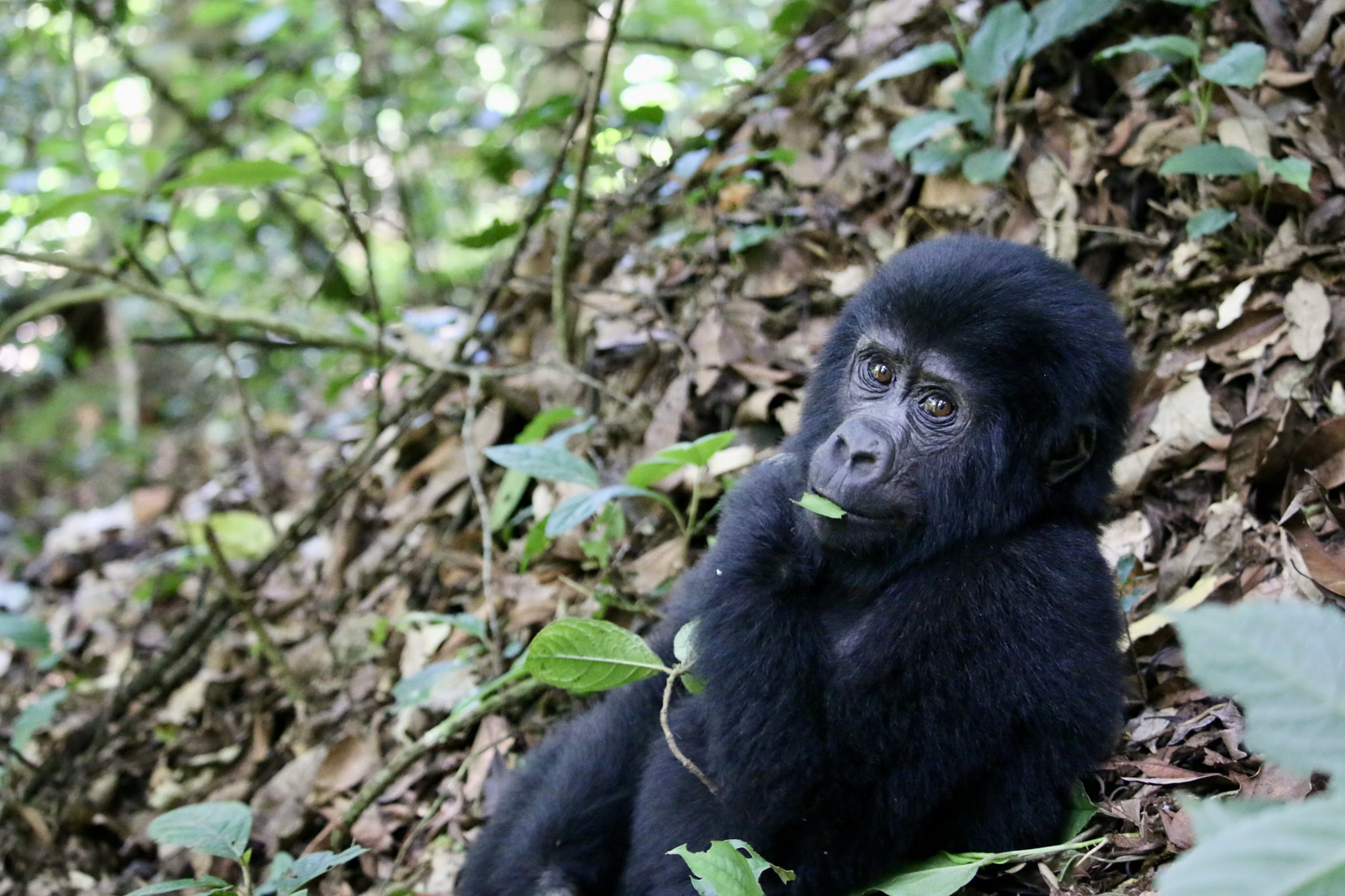
Introduction: Why Uganda and Rwanda Are Ideal for a Gorilla and Wildlife Safari
Ask ten different travelers why they chose Uganda or Rwanda for a safari and you’ll probably get ten different answers. Some come purely for the mountain gorillas. Others want chimpanzees, open savannah, or that particular kind of quiet you only get deep in an East African rainforest. The honest truth is that both countries pack an unusual amount of variety into a relatively small area, which is exactly why so many people end up asking the same question before they book anything: which parks should actually be on the itinerary?
There’s no single right answer, and that’s kind of the point of this guide. Bwindi Forest National Park in Uganda and Volcanoes National Park Gorilla Trekking Safaris in Rwanda tend to come up first in any conversation about gorilla trekking, and for good reason — they’re the two places most travelers picture when they imagine standing a few meters from a silverback. But the parks around them matter just as much once you start thinking about the shape of the whole trip. Savannah wildlife, chimpanzee trekking, rainforest canopy walks, boat rides across wetlands — Uganda and Rwanda between them offer nearly all of it, and the right combination really does come down to how much time you have, what kind of trekking you’re up for, and what your budget allows.
1. Bwindi Forest National Park: Uganda’s Famous Gorilla Trekking Destination
Why Visit Bwindi?
Bwindi is the park most people mean when they say “gorilla trekking in Uganda,” and it earns that reputation. The forest itself is ancient — genuinely old-growth, tangled, and steep in places — which is part of why the gorillas here feel so wonderfully out of reach from the modern world. Trekkers head out from one of several sectors (Buhoma, Ruhija, Rushaga, and Nkuringo each have their own personality and access points), and no two treks look quite the same because the terrain shifts so much across the park.
Compared with Rwanda’s Volcanoes National Park, Bwindi’s forest is denser and the trekking generally involves more scrambling through undergrowth rather than walking established volcanic trails. That’s not better or worse, just different — and it’s worth knowing going in. Bwindi tends to suit travelers who don’t mind a bit more physical effort in exchange for a wilder, thicker forest experience, and who are often building a longer Uganda itinerary anyway.
What to Expect on a Bwindi Gorilla Trek
Nobody can promise you an exact trek length, and honestly, any guide who does is guessing. It depends entirely on where the gorilla family has moved that morning, which can mean anywhere from a couple of hours to most of the day. What you can count on is spending roughly an hour with the gorillas once your group locates them, guided rangers keeping a respectful distance, and a fair amount of mud if you’re visiting during or just after rain.
The rangers aren’t there for decoration. Following their instructions — on distance, noise, and movement — isn’t just about your safety, it’s part of what keeps these habituated gorilla families calm around humans in the first place. Preparation matters more than fitness level alone: decent boots, a walking stick (usually provided at the trailhead), and a mindset that treats the trek as an adventure rather than a guaranteed schedule.
2. Queen Elizabeth National Park in Uganda: Add a Classic Wildlife Safari
What Makes Queen Elizabeth National Park Special?
Queen Elizabeth flips the experience entirely — open savannah, crater lakes, and habitats that shift from grassland to wetland within a short drive. It’s where a lot of travelers get their more “classic” safari fix: elephants moving in loose herds, buffalo grazing near the water, hippos wallowing along the Kazinga Channel, and antelope species scattered across the plains.
Queen Elizabeth National Park in Uganda, the lions are climbing on trees, Found mostly in the Ishasha sector, are a genuine oddity worth building time around — lions draped over acacia branches isn’t something you see in most of Africa, and it tends to be the photo everyone remembers. A boat cruise along the Kazinga Channel adds another layer entirely, putting you eye-level with hippos and birdlife without the dust of a game drive.
Bwindi + Queen Elizabeth: A Strong Uganda Safari Combination
The logic here is simple once you think about it: forest trekking gives you an intense, close-up primate encounter, while Queen Elizabeth gives you the wide-open game viewing that a dense forest simply can’t. Pairing the two means you’re not choosing between gorillas and lions — you get both, just in very different settings.
In a multi-day itinerary, Queen Elizabeth usually sits as the middle leg, breaking up the trekking with something more relaxed. Game drives don’t demand the same physical effort as a forest trek, so it also works well as a bit of a breather between Bwindi and whatever comes next.
3. Kibale National Park in Uganda: The Best Place to Add Chimpanzee Experiences
Why Travelers Add Kibale to a Uganda Safari
If gorillas are the headline act, chimpanzees are Kibale’s quieter but no less fascinating show. The Kibale National Park in Ugandahas one of the highest primate densities in Africa, and chimp trekking here tends to be noisier and more animated than gorilla trekking — chimps move fast, call loudly, and rarely sit still for long, which makes the whole experience feel a bit more chaotic in the best way.
The difference between chimp and gorilla trekking comes down mostly to pace and mood. Gorilla families are calmer and more grounded; chimpanzees swing through canopy, screech, and cover ground quickly, so trekkers often end up covering more distance just to keep up. Kibale rounds out a Uganda itinerary nicely alongside Bwindi and Queen Elizabeth because it adds a primate experience that feels genuinely distinct rather than repetitive.
Kibale, Queen Elizabeth and Bwindi Together
Geographically, these three sit close enough together that stringing them into one route makes sense without excessive backtracking. The typical flow puts Bwindi first for gorillas, Queen Elizabeth next for open wildlife, and Kibale either before or after depending on road conditions and trekking permit availability. Between forest treks, game drives, and travel time on Uganda’s rural roads, it’s worth building in a little slack rather than packing each day too tightly — a delayed permit or a muddy road can shift a schedule quickly.
4. Nyungwe Forest National Park in Rwanda: A Different Side of Rwanda
What to See in Nyungwe Forest
Nyungwe is often overlooked by travelers who fly into Rwanda purely for gorillas, which is a bit of a shame. Nyungwe Forest National Park in Rwanda is one of Africa’s oldest rainforests, home to chimpanzees along with several other primate species, including large troops of colobus monkeys that move through the canopy in genuinely striking numbers. Forest walks here range from short nature trails to longer treks, and the biodiversity — orchids, birdlife, insects most visitors never think to look for — rewards anyone willing to slow down.
The canopy walkway is Nyungwe’s standout extra: a suspended walkway strung between trees, giving a completely different vantage point over the forest than you get from the ground. It’s not gorilla trekking, and it’s not trying to be — Nyungwe is its own experience entirely, built around the forest rather than a single headline species.
Is Nyungwe Worth Adding to a Rwanda Safari?
For travelers who want more than just the gorilla trek and have a few extra days, Nyungwe makes a strong case for itself. It shares some conceptual DNA with Uganda’s Kibale — both are primate-rich rainforests offering chimp trekking as an alternative to gorillas — though the two forests feel different on the ground, with Nyungwe’s terrain notably steeper and more mountainous in places.
Whether it’s worth adding really comes down to trip length. On a short, focused gorilla trip, Nyungwe is probably one stop too many. On a longer Rwanda itinerary, it rounds things out nicely and gives the trip a rainforest chapter that Volcanoes National Park, focused as it is on the gorillas themselves, doesn’t really offer.
5. Volcanoes National Park Gorilla Trekking Safaris: Rwanda’s Gorilla Experience
Why Choose Volcanoes National Park?
Volcanoes National Park sits in the Virunga range, and the scenery alone sets it apart — dramatic, cone-shaped volcanoes rising out of the mist, with trekking trails that wind through bamboo forest and volcanic slopes rather than the tangled undergrowth of Bwindi. For travelers planning Volcanoes National Park Gorilla Trekking Safaris, the park also offers a more accessible way to experience Rwanda’s famous mountain gorillas. It’s also considerably closer to Kigali than Bwindi is to Uganda’s main airports, which matters for travelers with limited time who don’t want to spend a day and a half just getting to the trailhead.
That accessibility tends to draw a specific kind of traveler: people on shorter trips, those combining Rwanda with a broader East Africa itinerary, or anyone who’d rather spend their limited vacation days trekking than driving.
What Is a Volcanoes Gorilla Trek Like?
Permits here are limited and need to be booked well ahead, much like Uganda’s, and rangers assign trekking groups to gorilla families partly based on fitness level and preference, so it’s worth being honest about your own hiking ability when asked. The terrain can be steep, particularly on the volcanic slopes, and altitude plays more of a role here than in Bwindi.
The ranger-guided structure mirrors Uganda’s approach — small groups, an hour with the gorillas, strict distance rules — and responsible tourism principles apply just as strictly. Padded trousers, gloves for gripping vegetation, rain gear, and sturdy boots go a long way toward making the climb manageable.
6. Akagera National Park: Rwanda’s Savannah Safari
What Makes Akagera Different?
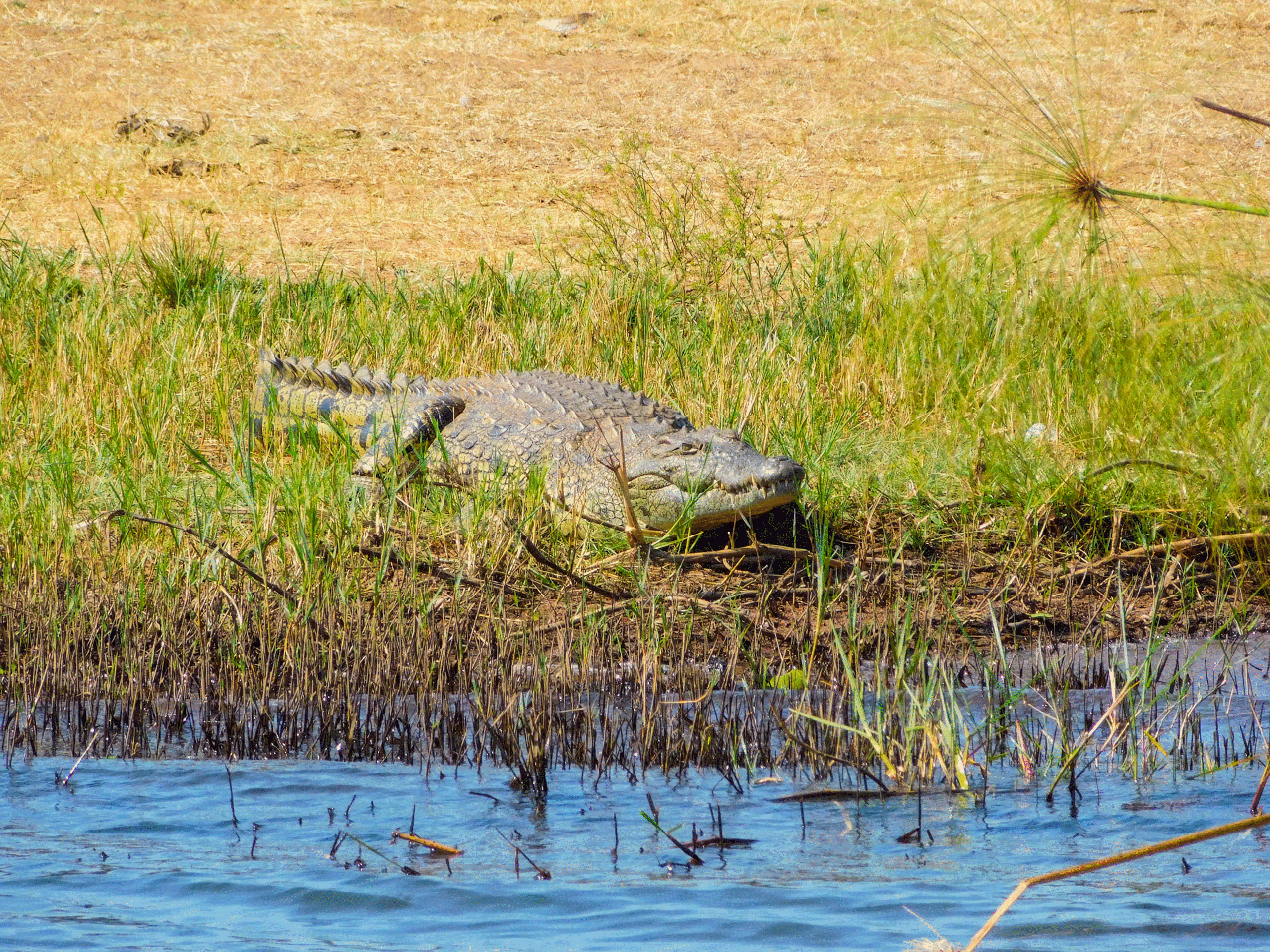
Akagera is where Rwanda quietly proves it’s not just a gorilla-and-forest country. In the east, near the Tanzanian border, the landscape opens into savannah, lakes, and wetlands that look almost nothing like the misty volcanic highlands most people associate with Rwanda. Game drives here turn up the classics — elephants, buffalo, giraffe, and a growing lion population following successful reintroduction efforts — while boat trips on Lake Ihema add hippos and crocodiles to the mix.
For a country so strongly identified with its gorillas, Akagera balances things out nicely, giving travelers a genuine savannah safari without needing to leave Rwanda at all.
Volcanoes + Akagera: A Complete Rwanda Safari Combination
Pairing Volcanoes with Akagera gives you the same rhythm as Uganda’s Bwindi-plus-Queen-Elizabeth combination: mountain trekking followed by open wildlife viewing, forest intensity followed by savannah space. For travelers who want more than a single gorilla trek to justify the trip, this route tends to be one of Rwanda’s most satisfying, even if it does mean a longer drive across the country to reach Akagera’s eastern location.
7. Uganda vs Rwanda: Which Gorilla and Wildlife Safari Is Better?
Uganda or Rwanda for Gorilla Trekking?
This comparison comes up constantly, and the honest answer is that it depends on priorities rather than one country being objectively better. Gorilla trekking itself is broadly similar in both countries — same permit system structure, same hour with the gorillas, same ranger guidance — though Rwanda’s Volcanoes trails tend to be a touch more manageable than Bwindi’s denser undergrowth.
Forest setting is where the two diverge more noticeably: Bwindi feels ancient and thick, Volcanoes feels volcanic and dramatic. Uganda pulls ahead on sheer wildlife variety, with Queen Elizabeth’s tree-climbing lions and Kibale’s chimpanzee density adding options Rwanda doesn’t quite match in one country. Rwanda, on the other hand, wins on travel time and convenience — shorter drives, closer airport, less time lost on rural roads. Trip flexibility tends to favor whichever country matches how much time you actually have to spend.
Best Destination by Traveler Type
A first-time gorilla traveler with limited days often leans toward Rwanda simply for the convenience, while someone chasing a broader wildlife experience tends to prefer Uganda. Travelers who want gorillas alongside a classic savannah safari, or gorillas alongside chimpanzee trekking, usually get more mileage out of Uganda’s park network. Those who’d rather stay within one country and see several distinct landscapes — volcanoes, rainforest, savannah — often find Rwanda covers that ground efficiently. And for anyone working with a short, gorilla-focused trip and not much else, Rwanda’s shorter travel times make it the more convenient pick.
8. Best Uganda and Rwanda Safari Combinations
Uganda Gorilla & Wildlife Route
Bwindi → Queen Elizabeth → Kibale
This route starts with the forest intensity of gorilla trekking in Bwindi, moves into Queen Elizabeth for a few days of savannah game drives and a boat cruise along the Kazinga Channel, then finishes in Kibale for chimpanzee trekking before heading back toward Entebbe. Each leg feels genuinely different from the last, which is part of why this combination has become something of a standard for first-time Uganda visitors.
Rwanda Gorilla & Wildlife Route
Volcanoes National Park → Akagera National Park
Starting in the Virunga highlands for gorilla trekking and finishing in the savannah plains of Akagera gives travelers both sides of Rwanda without needing extra days for a third park. It’s a more compact route than Uganda’s three-park version, which suits travelers who want depth without a packed schedule.
Uganda + Rwanda Combined Safari
Combining both countries makes the most sense for travelers with at least ten to twelve days and a genuine interest in seeing the differences between Bwindi and Volcanoes firsthand, or in doing two separate gorilla treks in different forest settings. The border crossing between Uganda and Rwanda is manageable but adds a travel day worth planning for, and permit availability in both countries should be checked well in advance since gorilla permits are limited and often booked months ahead.
9. Best Time to Visit Uganda and Rwanda for Gorilla and Wildlife Safaris
Gorilla trekking is technically possible year-round in both countries, since the forests stay green regardless of season, but the drier months generally make for less slippery, more manageable trails. Wildlife viewing in savannah parks like Queen Elizabeth and Akagera tends to improve in drier periods too, when animals cluster more predictably around remaining water sources.
Rainforest weather is its own unpredictable thing — Bwindi and Nyungwe can see rain at almost any time of year, so packing for wet conditions is sensible no matter when you go. The seasons that suit gorilla trekking best don’t always line up perfectly with the seasons that suit broader wildlife viewing, so rather than chasing a single “best month,” it’s worth weighing what matters more to you: drier trekking conditions or peak wildlife visibility, since crowd levels and permit costs can shift with the seasons too.
10. How Much Time Do You Need for a Uganda or Rwanda Safari?
A short, gorilla-focused trip can realistically work in four or five days, particularly in Rwanda where travel times are shorter. Adding a wildlife component — Queen Elizabeth or Akagera — pushes that toward six to eight days comfortably. Bring chimpanzee trekking into the mix as well, and eight to ten days starts to feel more realistic once you account for road travel between parks.
An extended Uganda-and-Rwanda combination, covering gorillas in both countries plus savannah wildlife, generally needs closer to twelve days or more. Whatever the length, building in a cushion for travel between parks matters more than people expect — East African roads can be slow, and rushing between trekking permits rarely makes for an enjoyable trip.
11. What to Pack for Gorilla Trekking and Wildlife Safaris
A pair of sturdy, broken-in hiking shoes matters more than almost anything else on this list — Bwindi and Volcanoes trails get muddy and uneven, and cheap trainers won’t hold up. Long trousers and lightweight layers handle both the cool mornings and the humidity that builds up once you’re moving. Rain protection is non-negotiable given how unpredictable rainforest weather can be, and a decent daypack keeps water, snacks, and a rain jacket within reach during longer treks.
Insect protection is worth taking seriously, particularly in forest zones, and a camera or binoculars will get heavy use whether you’re photographing gorillas or scanning the savannah for lions. Walking poles help on steep or slippery sections, especially around Volcanoes’ higher slopes. And don’t forget the basics — personal medicines, sunscreen, and a small first-aid kit tend to matter more once you’re a few hours into the forest than they ever do at home.
Conclusion: Choosing the Right Gorilla and Wildlife Safari in Uganda or Rwanda
Between Bwindi Forest National Park, Queen Elizabeth National Park, Kibale National Park, Nyungwe Forest National Park, Volcanoes National Park, and Akagera National Park, there’s genuinely no single “correct” route through Uganda and Rwanda. Each park brings something different to the table — dense ancient forest, open savannah, chimpanzee-filled rainforest, or volcanic trekking trails — and the right combination really just comes down to how much time you have, how physically demanding a trek you’re up for, and whether gorillas alone are enough or you’d rather build out a fuller wildlife experience. Rather than trying to squeeze every park into one trip, it’s usually worth picking the combination that actually fits your travel style and letting that shape the itinerary from there.