Image by pexels.com
A floor plan can tell you how many bedrooms a property has, where the kitchen sits, and how the rooms connect. It can show measurements, storage, and practical details. But it cannot fully explain why one property feels comfortable the moment you walk through the door while another feels cold, even if both look perfect on paper.
A home is more than its layout. It is shaped by light, atmosphere, familiar routines, personal objects, and the way people feel inside the space. Sometimes the smallest details create the strongest connection. Understanding these details can help buyers look beyond square metres and think about what will actually make everyday life feel right.
Natural Light Changes the Whole Feeling
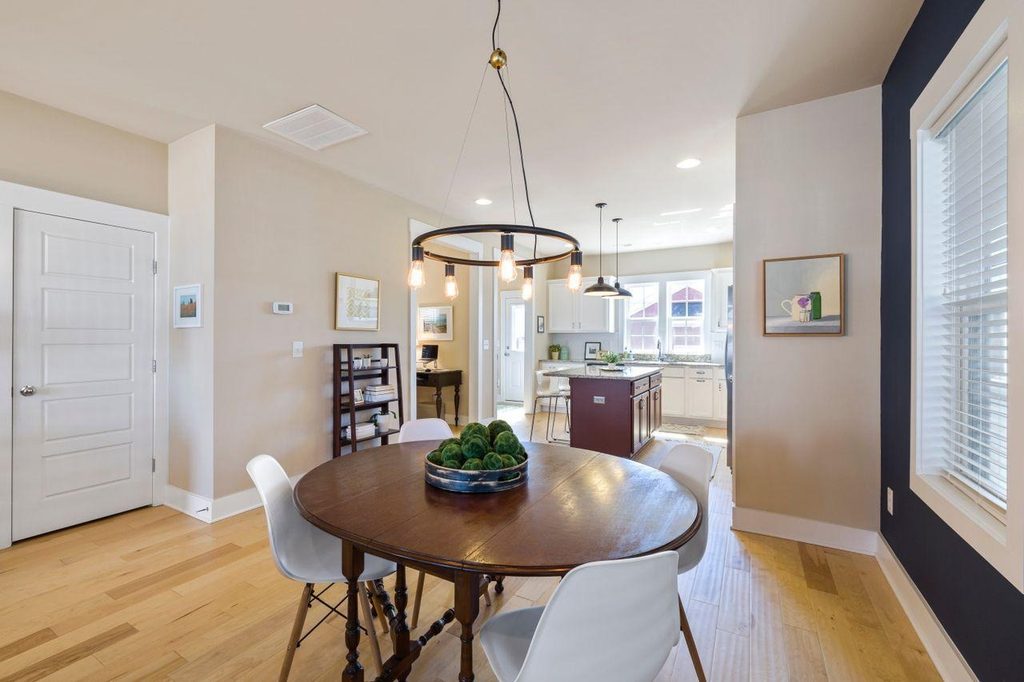
Light has a strong effect on how a room feels. A space filled with natural light can appear warmer, larger, and more inviting. Even a small room can feel comfortable when sunlight reaches it at the right time of day.
The direction of windows, surrounding buildings, trees, and outdoor areas can all affect how much light enters a property. When viewing a home, it can be useful to notice how the light moves through the rooms rather than focusing only on their size.
The Flow of a Home Matters
A good floor plan is not simply about having enough rooms. It is also about how naturally people can move between them. A home may technically have plenty of space but still feel uncomfortable if the layout does not suit everyday routines.
Think about what happens when you walk through the front door, prepare dinner, entertain friends, or move between bedrooms and shared areas. A home often feels right when the layout supports daily life without requiring much thought.

Image by pexels.com
The Neighbourhood Becomes Part of the Home
A home is not defined by the front door but the surrounding street, local cafes, parks, shops, transport, schools and the wider community all play a part in contributing to everyday life. While the aesthetic appeal of a property is important, a home that suits your lifestyle will always provide a better sense of belonging
That is why when comparing Perth real estate, buyers must consider not just the property but the wider community as the surrounding area has the ability to impact everyday life and contribute to a sense of belonging
Familiarity Breeds Affection
While some homes seem to instantly feel like home, for others the familiar feeling is acquired over time. That first morning coffee from the kitchen bench watching the morning light pour in, or knowing exactly where the afternoon sun will rest in the room are all parts of the process. A home becomes familiar because every day we engage in the same rituals, routines and recreation in the one place. As a result, a more basic property can have more character and charm over time showing the importance of a familiar environment.
Image by pexels.com
The Environment is Changed with Possessions
An empty shell of a property may look nice but once personal items are added it transforms into a home. All the possessions that personalise a home are important and provide a sense of comfort and belonging. From furniture and art to books and personal knick-knacks everything adds value, character and a feeling of individualism.
While style and presentation are important, the personal belongings that make a home unique are valuable to its appeal. Possessions can invoke certain emotions within a space, for example, a particular chair may remind the occupant of their grandmother and provide feelings of comfort and familiarity. These aspects are far more important than a floor plan or aesthetics.
Sound Can Often Say More Than Sight
While people often focus on what a home or apartment looks like, it is easy to overlook what it sounds like. Noise can often be a divisive factor between what appears to be an appealing property but in reality, is far from ideal. Sounds such as traffic, community facilities, animals, and the wind can all contribute to the overall feeling
Testing a potential property at different times of the day and on different days will showcase the variety of sounds and show whether the noise level is right for the buyer.
Conclusion: Home Is More Than What You Can Measure
Bedrooms, bathrooms, storage, and floor space all matter when choosing a property, but they tell only part of the story. The feeling of home often comes from less measurable things such as light, comfort, familiarity, character, routine, and connection to the surrounding area.
A property becomes a home when it supports everyday life and begins to feel personal. The right place is not always the biggest, newest, or most impressive. Often, it is simply the one where you can imagine your routines, memories, and future fitting naturally into the space.