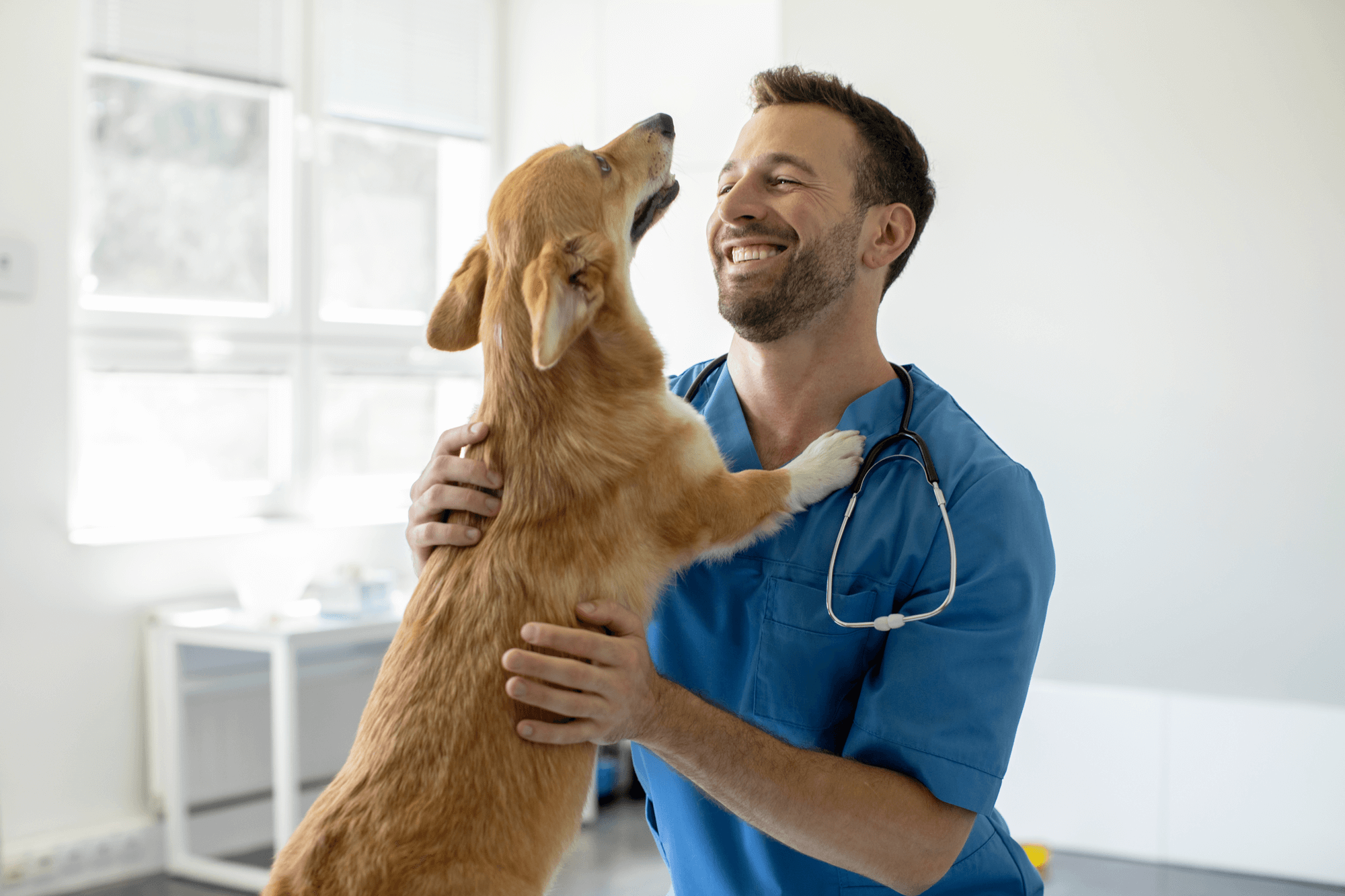
You bring your pet in for what seems like a routine visit, then the animal clinic says sedation may be the safest way to complete the exam. That can land hard, especially when seeking veterinary care in Edmonton, Alberta. You may hear “sedation” and jump straight to risk, cost, or the fear that something is seriously wrong. You may also feel guilty, especially if your dog or cat gets so scared at the clinic that a basic exam turns into a struggle.
That reaction makes sense. Most people do not expect a pet exam to involve medication, and it can feel unsettling when a simple appointment suddenly sounds more serious. In many cases, though, sedation is not a sign of failure or danger. It is a tool veterinarians use when stress, pain, fear, or movement would keep them from getting accurate answers or giving safe care. Pet sedation for an examination is often recommended to protect your pet, the veterinary team, and the quality of the exam itself.
An animal clinic may recommend sedation because restraint is not always enough
Some pets freeze and tolerate handling. Others panic. A dog with ear pain may snap when anyone gets near the sore area. A cat with arthritis may twist, scratch, or cry out when lifted or positioned. A pet who has had one bad visit can learn to fear the clinic before the car ride even begins. At that point, forcing the exam can create more stress and less useful information.
Sedation helps lower fear, reduce movement, and make handling safer. It can also prevent a painful problem from getting worse during the exam. If your veterinarian needs to look deep into an infected ear, take X rays, trim around a wound, or examine the mouth of an anxious dog, sedation may be the kindest option available. The goal is not to “knock your pet out” for convenience. The goal is to make necessary care possible without turning the visit into a fight.
This is where many owners get stuck. You want answers, but you do not want to expose your pet to unnecessary medication. That tension is real. The useful question is not whether sedation sounds scary. It is whether the exam can be done well and safely without it. If the answer is no, avoiding sedation can actually increase risk. A pet that is thrashing, struggling to breathe from panic, or unable to hold still for imaging is not in a safer position just because no drugs were used.
Veterinarians also distinguish between sedation and general anesthesia. Sedation usually means medication to relax your pet and reduce awareness, while anesthesia causes a deeper level of unconsciousness for more invasive procedures. Texas A&M explains these differences in its overview of pet sedation and anesthesia, and that distinction matters when you are weighing what your clinic is recommending.
The stress of a veterinary visit can change what the exam shows
Fear does more than make a pet hard to handle. It can alter heart rate, breathing, blood pressure, and muscle tension. It can hide pain in some animals and exaggerate it in others. A terrified dog may resist a knee exam so strongly that the veterinarian cannot tell whether the reaction comes from fear or joint pain. A cat in full panic may breathe with such effort that it becomes harder to tell what is emotional and what is medical.
That is why sedation for a pet exam can be about accuracy as much as comfort. A calmer pet allows the veterinary team to listen, palpate, image, sample, and assess with less guesswork. You get a cleaner picture of what is actually going on.
If your pet has a history of rough vet visits, there may also be ways to lower stress before the appointment. Cornell offers practical guidance on making veterinary visits less stressful for dogs, including training, timing, and pre visit planning. Those steps can help, but they do not replace sedation when pain, fear, or the procedure itself makes a hands on exam unsafe.
Sedation has risks, but skipping it can have risks too
No responsible clinic treats sedation like a casual add on. Your pet’s age, breed, medical history, current symptoms, and medication use all matter. Some pets need bloodwork first. Some need fasting instructions. Some should not receive certain drugs because of heart, airway, or organ concerns. A good animal clinic will explain why sedation is being considered, what level is planned, and how your pet will be monitored.
| Without Sedation | With Sedation |
|---|---|
| Exam may be incomplete if your pet is fearful or painful | Exam is often more thorough and accurate |
| Higher chance of scratching, biting, or sudden movement | Lower risk of injury to your pet and staff |
| Stress can raise vital signs and affect findings | Calmer handling can give clearer clinical information |
| Painful areas may be impossible to assess | Painful areas can be examined with less distress |
| No medication risk | Medication risk exists and should be reviewed in advance |
The point is not that sedation is always better. It is that the decision should be made by comparing real risks on both sides. For an aggressive, terrified, or painful pet, trying to “just get through it” can cost more in the end if the first visit fails, the diagnosis is delayed, or someone gets hurt.
Clear steps help you make a better decision
Ask what the clinic needs to accomplish. Get specific. Are they trying to examine an injured leg, clean and inspect an ear, take X rays, collect samples, or trim a painful nail? The reason matters. Sedation for a blood draw in a mildly nervous pet is a different conversation than sedation for imaging a dog that cannot bear weight and bites when touched.
Ask how your pet will be screened and monitored. You want to know what medications are being considered, whether fasting is needed, whether bloodwork is recommended, and how the team will watch breathing, heart rate, and recovery. A solid plan lowers uncertainty, and uncertainty is often what drives the most fear.
Share your pet’s history in detail. Tell the clinic if your pet has reacted badly at prior visits, has trouble breathing under stress, takes daily medication, or has had previous sedation or anesthesia. Mention changes that seem minor to you. Limping after stairs, coughing at night, refusing one side of the mouth chews, or panicking in the car can all shape the plan.
A thoughtful sedation plan can make an animal clinic visit safer
If your clinic recommends sedation, it usually means they are trying to avoid force, pain, and incomplete care. That is not overreaction. It is often the more humane and medically useful path. You do not have to like the idea for it to be the right call. You just need clear answers, a plan that fits your pet, and a veterinary team willing to explain the why behind it.
An animal clinic should make you feel informed, not pressured. If sedation has been recommended for your pet’s examination, ask for the details you need and move forward with the option that gives your pet the safest, calmest care possible.