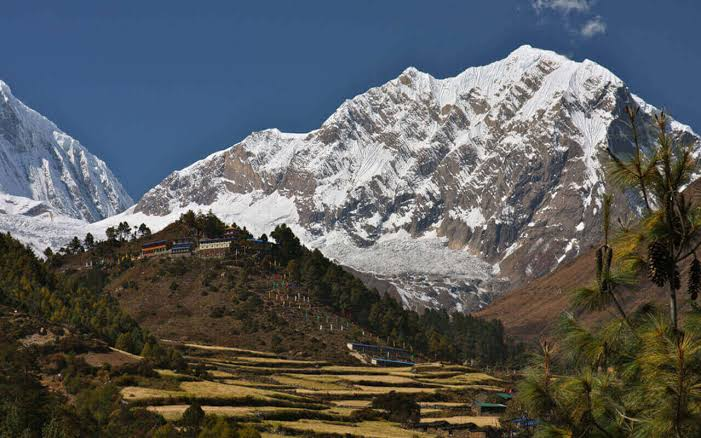
The Manalsu trek leads to altitude sickness because trekkers need to pass through high altitude regions. The body responds with metabolic changes when oxygen levels fall significantly.
Above 3,000 meters, atmospheric pressure drops enough that each breath delivers significantly less oxygen to your bloodstream. The Manaslu Circuit Trek takes you to Larkya La Pass at 5,106 meters where oxygen levels reach only 50 percent of sea level oxygen availability.
The body needs to raise its breathing rate and heart rate while producing more red blood cells to handle the situation. The adaptation process requires a specific duration. When ascent outpaces adaptation time, the body begins to show symptoms.
Altitude sickness affects people regardless of their fitness level, age or trekking experience. People who are professional athletes and those who hike for the first time both face the same danger. The highly conditioned trekkers often ascend too quickly because they feel capable, which makes their risks higher.
The possibility of hazard is higher while traveling in isolated Himalayan areas like Manaslu. Unlike other busier trails, medical posts are not frequent, and wilderness conditions can affect the process of handling evacuation operations.
So, the most essential things that to need to know are:
- How altitude affects the body
- What early symptoms look like
- How to pace ascent strategically
- When to stop or descend
If you are aware of these, altitude shifts from something intimidating to manageable and enjoyable.
Why Altitude Sickness Is a Real Risk on the Manaslu Circuit
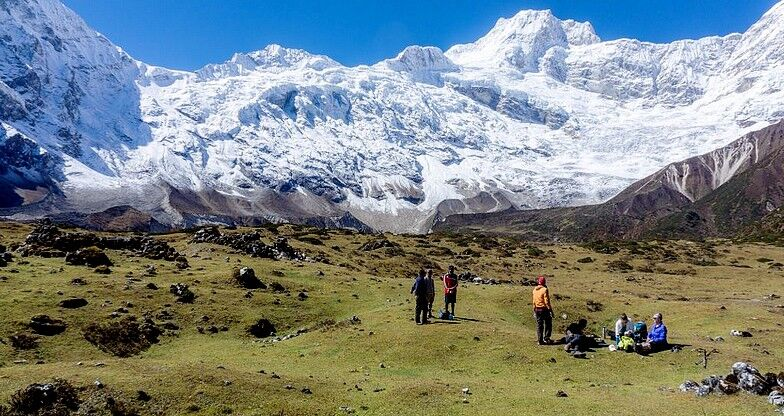
The Manaslu route is not a gradual hill walk. The path starts at Maccha Khola which has an elevation of 870 m and continues to Larkya La Pass which reaches 5,106 m.
Key risk factors:
- The body experiences elevation increases during several days of acceleration at a fast pace
- You will spend multiple nights at high altitudes that exceed 3,500m
- The area is remote with limited evacuation points
- The cold weather conditions prevent you from recognizing the dehydration symptoms
People experience significant oxygen loss which begins at 2,500m. At 5,000 m, you breathe approximately 50% of the oxygen that exists at sea level. Your body needs time to adapt. Symptoms will develop if the body fails to adapt.
Early Symptoms You Should Never Ignore
Symptoms typically begin to manifest between six and twenty-four hours after you ascend to higher altitudes, especially above 2,500 m or 3,000 m.
- Persistent headache
- Vomiting or complete loss of hunger
- Dizziness
- Extreme exhaustion that exceeds the normal trekking fatigue
- Disruptions to sleep pattern
- Slight swelling in the facial and hand areas
Mountain guides follow this basic field guideline:
If you have a headache and one other symptom at altitude, assume AMS (Acute Mountain Sickness). The decision to continue walking leads to emergency situations such as:
HAPE (High-Altitude Pulmonary Edema) Signs
- Shortness of breath at rest
- Wet cough
- Chest tightness
- Crackling lungs
- Blue lips or fingernails
HACE (High-Altitude Cerebral Edema) Signs
- Confusion
- Loss of coordination (can’t walk straight)
- Severe headache
- Altered consciousness
Acclimatization Strategy
Climb high, sleep low. Ascend gradually. Evidence-based best practice guidelines for high-altitude expeditions:
- Do not increase sleeping altitude by more than 300–500 m/day above 3,000 m
- Add an acclimatization day for every 1,000 m ascent
- Do not ascend if symptoms worsen
Well-designed itineraries for the Manalsu trek include acclimatization days at Samagaon (3,530 m) and most probably at Samdo as well (3,875 m). If your trek does not include either of these acclimatization days, it is a red flag.
Tips for Proper Acclimatization
- Take a steady pace
- Drink 3-4 liters of water daily and add some electrolytes.
- No alcohol at high altitude.
- Concentrate on carbohydrate-rich foods such as rice, potatoes, and pasta.
- Take small meals frequently and include warm soups.
- Diamox (Acetazolamide): 125-250 mg two times a day, one day prior to ascending above 3,000 m. Consult a doctor before taking it.
- Optimize your sleep strategy by prioritizing warmth and keeping your head slightly raised. Do not eat heavy meals and avoid sleep pills unless absolutely necessary.
Who Is Most at Risk?
If you go too high too quickly and do not give your body time to acclimatize, you are more likely to develop altitude sickness. It’s also higher for trekkers who have experienced AMS before, as past episodes make recurrence more likely.
In addition, dehydration will increase your risk of altitude sickness because it affects your body’s ability to transport oxygen. Furthermore, if you are into packaged and greasy foods, consume alcoholic beverages and cigratees and donot maintan nutrituous diet, you are more vulnerable to altitude sickness.
Should You Be Worried?
- Fear is unnecessary with:
- Proper itinerary
- Licensed guide
- Acclimatization days
- Slow and steady pacing
The Manalsu circuit trek is safe for most healthy trekkers. Thousands complete it annually without severe altitude complications.