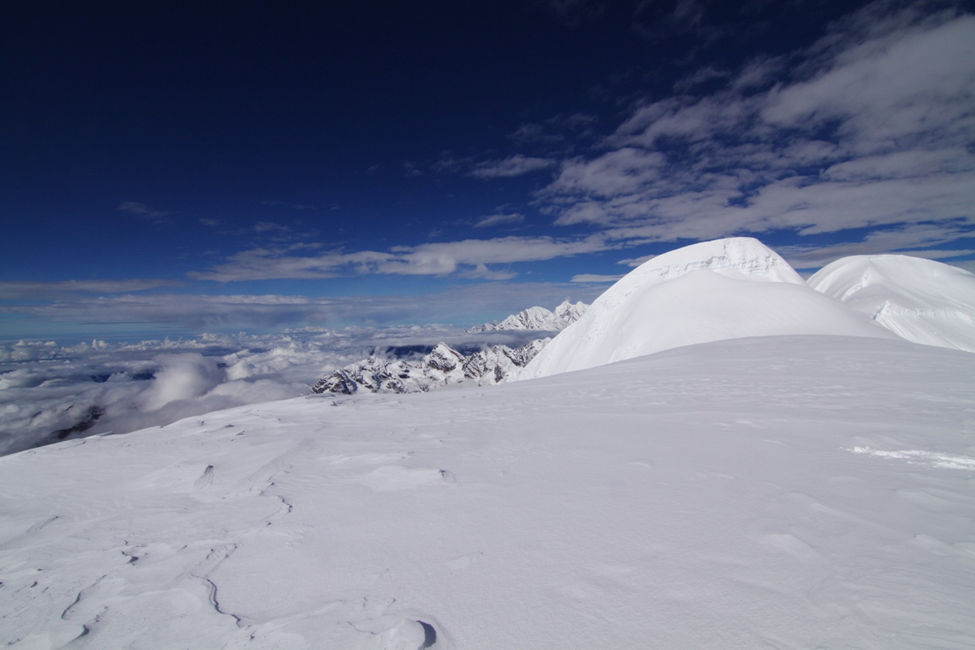
Mera Peak is a famous trekking peak in Nepal and it is a thrilling adventure and natural beauty fusion. Mera Peak is 6,476 meters tall and offers spectacular scenery of some of the tallest mountains on earth such as Mount Everest, Lhotse, Cho Oyu and Makalu. Climbing Mera Peak though a trekking peak, is nonetheless a good level of physical fitness, technical skills, and preparation.
To any person planning to climb it, it is important to know how to train, what skills need to be acquired, and how to prepare to go to high altitude. The correct preparation does not only increase your chances of making it on the summit and safely but also makes the whole experience more fulfilling and pleasurable. This guide is a comprehensive training plan, fitness guidelines, skill building guidelines, and other training guidelines to prepare of the Mera Peak.
Physical Fitness for Mera Peak
Mera Peak requires cardiovascular stamina, muscular power, and flexibility. Prior training makes you sure your body is ready to deal with extended hiking days, steep climbs, and high-altitude demands.
Cardiovascular Training
Long walks with a backpack require cardiovascular fitness. Running, cycling, swimming, or brisk walking are all good exercises that will help to develop endurance. Goal at minimum of 30-60 cardios four to five times a week. Simulation in trekking can be created by slowly increasing intensity with the use of hills or stair climbs.
Strength Training
Powerful muscles contribute to stability and decrease the chances of getting injured during the climb. Pay attention to the leg strength, core, and upper body strength. Squats, lunges, step-ups, planks, and push-ups are very effective exercises. Carrying a trekking load could be simulated by weighted exercises using backpacks or dumbbells.
Flexibility and Balance
Balance and flexibility are valuable to maneuvering through uneven paths and Ice. Include yoga, stretching, or balance work into your practice. Good balance and flexibility can help in making climbing and descending steep climbs and descents safer.
Endurance Hiking
To get ready to the actual trekking conditions, train the long hikes with a packed bag. Begin with shorter walks and add more distances and ascents. Mountain climbing or walking up stairs or steps at home will be the best preparation of Mera Peak.
Technical Skills of Mera Peak.
Mera Peak is categorized as a trekking peak although it includes some basic mountaineering skills particularly at higher altitudes. Although this is regarded to be a non technical climb against most major Himalayan climbs, when the technical skills have been well prepared in advance, there is safety and confidence in the mountain.
Using Crampons and Ice Axe
The high portion of Mera Peak is snow and ice and having the knowledge of the usage of crampons and ice axe is vital. Trekkers are supposed to learn to walk on the snow slopes using crampons to learn how to balance themselves on the slippery areas. Ice axe self-arresting methods are essential in the event of a fall. The practice regularly may bring muscle memory, and movements will be intuitive in difficult circumstances. The ability to use equipment prior to the climb is very important even in small errors made on the icy slopes since they can be hazardous.
Rope Skills
Certain parts of the climb may involve short fixed rope sections or steep areas. Extensive rope climbing is not required for Mera Peak. The simplest skills in the field of rope, including knot tying, belaying, and transportation over a fixed rope, can help become safer and more confident. An accident could be prevented by learning the technique of securing yourself, helping a partner, and dealing with rope effectively. Numerous trekking peak agencies offer short mountaineering training before the climb in order to teach these skills. A small practical session can also prove to be more than helpful in finding your way through challenging areas.
Glacier Travel
The summit route traverses minor glaciers, which are also very problematic. The trekkers are to be trained on how they can recognize crevasses, gauge ice circumstance, and walk in the right method. It is strongly advised that the training be done under an experienced mentor or a pre-expedition course in mountaineering. One of the most important points to avoid accidents is to understand the movement of glaciers and interpret the changes of the terrain. Before the climb, it is also possible to build confidence and lessen fear by practicing glacier travel in the local or moderate snow levels.
Altitude Awareness
In Mera Peak, acclimatization is vital to safety, and one should be aware of symptoms of altitude sickness. Trekkers should also ensure that they take things at a slow pace, monitor their hydration levels, and be aware of the signs of weakness including headaches, nausea, or dizziness. It is just as critical as technical climbing capabilities to know when to sleep or go down. Knowing your body and limits means that you will be able to make informed choices when you are in the high altitude and it will decrease the chances of harmful illness.
Preparing for High Altitude
One of the most challenging issues on Mera Peak is high altitude. Even the most fit trekkers may be affected by altitude sickness, fatigue, or worse performance without proper preparation. Being prepared minimizes risks and enables you to have a more comfortable and safe climb.
Acclimatization Strategy
It is necessary to have a properly designed acclimatization schedule. Additional days in the intermediate altitudes in the trek would help your body to adapt gradually to thinner air. The principle of high sleep low after climbing assists in sustaining the levels of oxygen and the occurrence of altitude sickness is minimized. Rest days are also necessary to take them at the right moments so that you will be physically and psychologically fit to push to the summit.
Hydration and Nutrition
Consuming necessary amounts of water is crucial in high altitudes as dehydration may amplify the impacts of altitude sickness. Trekkers ought to strive to consume small portions regularly as opposed to large portions at random. The consumption of healthy and energy giving foods that consist of carbohydrates, proteins, and fats to maintain stamina and strength of the body. Nuts, energy bars, and dried fruits are useful in cases of long trekking days as a quick source of energy. Paying a lot of attention to your diet and hydration can contribute greatly to your performance and health.
Mental Preparation
On the Mera Peak, the key element is mental fitness, much like body fitness. The climb includes long walks in cold weather and harsh conditions.
Some of the methods of developing mental strength are positive visualization, goal setting, and meditation. It is better to stay calm and concentrated to conquer exhaustion and rough paths.
Mental training also improves decision making during emergencies and overall confidence on the mountain.
Gear Familiarity
It is very important to know your equipment before a safe and smooth trip. These are boots, crampons, ice axe, harness, down jacket, sleeping bag, backpack, gloves and other important equipments. Training with your gear or on a hike will assist you in the adaptation to weight, comfort and movement. This minimizes any form of surprise in the mountain and makes sure that you can go about work effectively regardless of what it may be: putting on crampons, adjusting layers, or working with ropes in the cold weather. Safety and the ability to react to a sudden change in weather or terrain can also be enhanced with proper gear handling.
Mera Peak Sample Training Plan.
The following is a weekly training schedule to be used in preparation of Mera Peak:
Weeks 1 to 4
Cardio: 30 minutes four days a week (walking, running, cycling)
Strength: three days maximum a week working on the legs, core, and upper body.
Flexibility: stretching/ yoga fifteen minutes per day.
Weeks 5 to 8
Cardio: 45 minutes four to five days a week with hill or stairs.
Strength: weighted and three to four sessions per week.
Endurance hiking: one or two hikes a week five to ten kilometers and with a backpack.
Flexibility: stretching exercises and balance exercises throughout the day.
Weeks 9 to 12
Cardio: 60 minutes 5 times per week.
Strength: functional exercises targeting trekking, four sessions per week.
Endurance hiking: extended walks of twelve to twenty kilometers with a pack.
Technical skills: practice crampon, ice axe, and rope skills.
Mental training: Everyday visualization and meditation.
The plan can be adapted according to your current fitness level and climbing experience. Consistency is the most important factor, and even short daily exercises will make a significant difference.
Other Preparation Hints.
To be successful and safe before trying Mera Peak, there are a number of preparations that should be taken before undertaking the mission. Start by having a medical checkup that will verify that you are fit to take high altitude trekking. Prepare necessary vaccinations and medications, such as remedies of altitude sickness and a basic first aid kit. It is necessary to be light in packing, and you should bring only what you really need to avoid fatigue in the climbs.
Monitor weather conditions and schedule summit attempts during stable weather. Training on local mountainous elevations would be ideal and would mimic the physical challenges of the trek. Lastly, you can train with a partner or a group, which could give you motivation, practice safety skills, and enjoy the process.
The Specialization of Climbing Mera Peak.
The Mera Peak climbing is not just another adventure that can be achieved by climbing a mountain, but a chance to explore the natural beauty and Sherpa culture of Nepal. The journey goes through forests, rivers, and small villages that can make a person see the local life. The peak will give extensive Himalayas views, an experience of self accomplishment that will be hard to find elsewhere.
The everyday routine of the climb is walking, taking a break, adapting to the altitude, and communicating with the guides and other climbers. Even simple routines like sipping tea at sunrise or watching the sun light the distant mountains are moments to remember. It is through proper training that these moments can be safely and confidently enjoyed.
Conclusion
Mera Peak can be regarded as an amazing place where adventure tourists can find a high altitude trekking experience with the mountaineering. It is necessary to train physically: cardio, strength, and flexibility. The acquisition of technical skills in using crampons, Using an ice axe safely, Rope techniques and glacier travel skills, makes the approach to the summit safe. Preparation of the mind, acclimatization, and technical equipment are the key to a successful expedition.
The preparation before high altitude, following a systematic training program and the use of correct climbing methods will greatly boost your success. Mera Peak is not just a trip to the summit. It is a chance to appreciate nature, face challenges, and experience Himalayan culture firsthand.
Training out there in your local mountains, walking along the isolated trails, or standing there at the top and looking over the highest mountains in the world, all the time of preparation and climbing can be considered as a memory of a great adventure. To the dedicated and ready, Mera Peak is a life-altering, rewarding experience in one of the most glamorous areas on the planet.