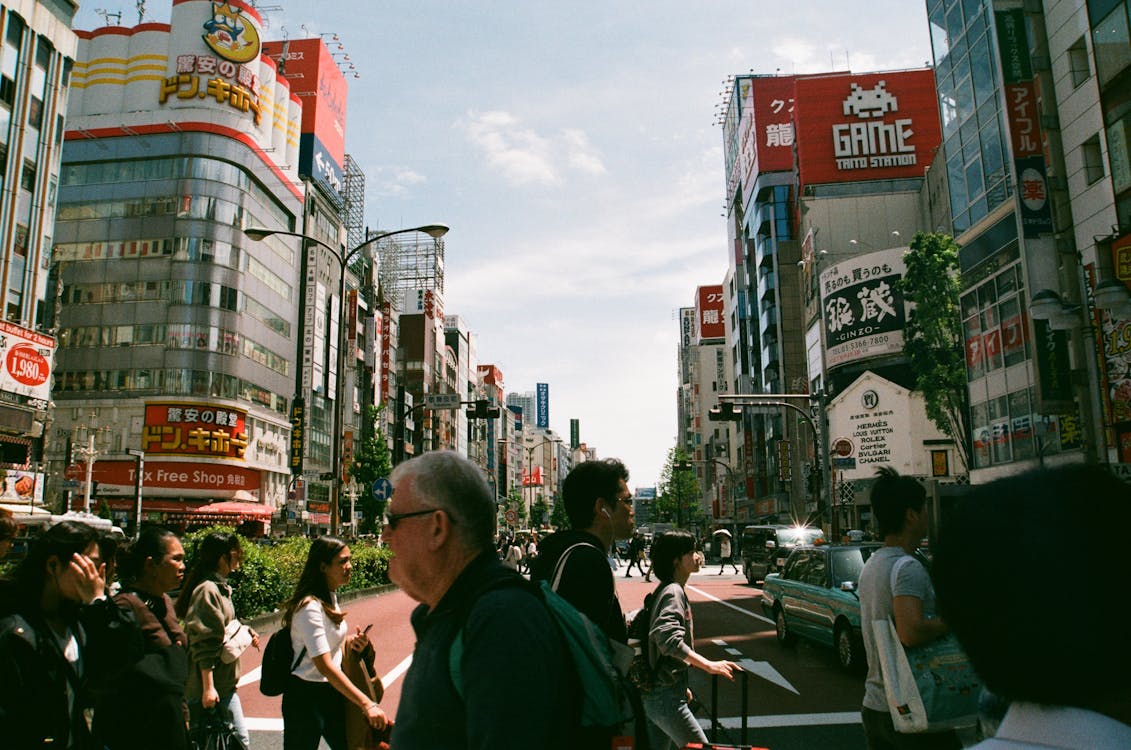
Asia is a continent of contrasts, where futuristic skyscrapers stand beside centuries-old temples, and bustling street markets exist alongside high-end shopping malls. For travelers, big cities like Bangkok, Tokyo, Seoul, and Singapore offer a wealth of experiences, but they also pose a challenge: how to enjoy them fully without burning through your budget. Smart travel requires planning, flexibility, and a mix of insider tips. Here’s a comprehensive guide to exploring Asia’s major urban hubs without overspending.
Plan Ahead, But Stay Flexible
Planning is key to smart travel, but overplanning can reduce the joy of spontaneity. Start by researching the major attractions and transport options of your chosen city. Use apps like Google Maps, Klook, or local equivalents to understand transit routes and ticket prices. Booking certain things in advance—like train tickets, entry passes to popular sites, or even accommodation—can save money.
However, flexibility is crucial. Street food markets, free local events, and temporary exhibitions often provide unique experiences at a fraction of the cost. Leave a few hours in your itinerary for spontaneous discoveries. Often, these unplanned moments become the most memorable parts of a trip.
Choose Accommodation Wisely
Accommodation often consumes the largest part of a travel budget, but smart choices can drastically reduce costs. Consider these options:
- Hostels and Guesthouses: Modern hostels in cities like Bangkok or Seoul are clean, safe, and social, often costing less than half of a mid-range hotel. Many offer private rooms if you prefer privacy.
- Capsule Hotels: Popular in Tokyo, capsule hotels provide a compact, efficient, and surprisingly comfortable stay. They are perfect for travelers who spend most of their day exploring.
- Budget-Friendly Hotel Chains: Chains like Travelodge Hotels Limited provide reliable amenities at an affordable price, making them a convenient choice for travelers seeking comfort without overspending.
- Short-Term Rentals: Platforms like Airbnb or local equivalents can provide kitchens, letting you cook meals and save money, especially in cities where dining out is expensive.
Remember to book in neighborhoods that balance convenience and affordability. Staying slightly away from tourist hotspots often reduces costs while still providing easy access via public transport.
Master Public Transportation
Public transportation is your best friend for city exploration. Most Asian megacities offer efficient and affordable options:
- Metro and Subway Systems: Cities like Tokyo and Seoul have extensive subway networks. Buy day passes or prepaid cards to reduce fare costs.
- Buses: In Bangkok, buses are extremely cheap and cover routes that metro lines don’t reach. While slower, they offer a local perspective.
- Bike-Sharing and E-Scooters: Many cities, including Singapore, have bike-sharing services that are cheaper than taxis and allow you to explore neighborhoods at your own pace.
Avoid relying on taxis or rideshares unless necessary—they can quickly eat into your budget, especially during peak hours.
Eat Like a Local
Food can be both a highlight and a budget-buster in big cities. The trick is to eat like a local:
- Street Food: Asia’s street food scene is legendary. In Bangkok, dishes like pad thai, som tam (papaya salad), and mango sticky rice are inexpensive and authentic.
- Local Markets: Markets often have small eateries serving fresh and cheap meals. Sampling multiple dishes allows you to enjoy variety without overspending.
- Convenience Stores: In Tokyo and Seoul, convenience stores sell surprisingly good meals, snacks, and drinks at a fraction of restaurant prices.
To avoid hidden costs, watch for additional charges like service fees, tourist menu prices, or inflated drinks in popular areas.
Embrace Free and Low-Cost Attractions
You don’t need to buy expensive tickets to enjoy big cities. Many attractions are free or very affordable:
- Parks and Gardens: Singapore is home to Gardens by the Bay and various nature trails that cost little to nothing to enjoy.
- Temples and Shrines: In cities like Tokyo and Bangkok, many temples welcome visitors for free or a small donation.
- Cultural Districts: Walking through historic neighborhoods, art districts, or street markets offers cultural immersion without ticket fees.
- Free Museums or Discount Days: Some museums offer free entry on certain days or discounted student tickets. Checking their schedules in advance can save you money.
Exploring neighborhoods on foot or by bicycle not only saves transport costs but also provides a richer, more personal experience of the city.
Use Technology to Your Advantage
Smart travelers leverage technology to save both time and money:
- Travel Apps: Apps like Klook, GetYourGuide, or Trazy often offer discounted tickets for attractions, tours, and transportation passes.
- Currency Conversion Tools: Avoid losing money to poor exchange rates by using apps like XE or Revolut to monitor real-time rates.
- Offline Maps: Download offline maps to prevent expensive roaming charges. Many Asian cities have subway and bus maps available as PDFs for free.
Even ride-sharing apps can offer promotions for first-time users or off-peak discounts, so a little research pays off.
Shop Smartly
Shopping in big cities can be tempting, but overspending is easy. Here’s how to keep it in check:
- Local Markets: Markets often provide better prices than malls, especially for souvenirs or local crafts. Don’t hesitate to negotiate; bargaining is part of the experience in places like Bangkok.
- Avoid Tourist Traps: Stores near major landmarks often charge premium prices. Venture a few blocks away for the same product at a lower cost.
- Tax Refunds: Many countries like Japan and Singapore offer tax refunds for tourists, which can save a significant percentage on larger purchases.
A little patience and research can turn shopping from a budget-buster into a rewarding experience.
Travel Off-Peak
Timing your visit can have a huge impact on your expenses:
- Flights: Mid-week flights are usually cheaper than weekend departures. Using price alert tools can help you book at the optimal time.
- Accommodation: Hotel rates often drop outside major holiday periods or festival seasons.
- Attractions: Some attractions are less crowded—and sometimes cheaper—early in the morning or late in the afternoon.
Traveling off-peak not only saves money but also enhances your experience by avoiding massive tourist crowds.
Keep Track of Your Spending
Budgeting is essential to prevent overspending:
- Daily Budget: Set a daily limit for food, transport, and activities. Track your spending using apps like Trail Wallet or even a simple spreadsheet.
- Cash vs. Cards: In some Asian cities, small vendors accept only cash. Carrying a small amount of local currency prevents overspending via card swipes for minor purchases.
- Emergency Fund: Always keep a buffer for unexpected costs like sudden transit changes, medical needs, or must-see attractions.
Keeping a clear record of your expenses helps you adjust quickly if you’re approaching your budget limit.
Engage with Locals
One of the most rewarding and cost-effective ways to experience a city is by connecting with locals:
- Local Recommendations: Ask for tips on where to eat, shop, or sightsee—locals often know hidden gems that aren’t in tourist guides.
- Couchsurfing or Community Events: Platforms like Couchsurfing provide free or low-cost lodging and social events.
- Language and Etiquette: Learning a few phrases and respecting cultural norms can open doors to experiences that aren’t advertised but are deeply enriching.
Interactions like these often lead to unique, budget-friendly adventures that you wouldn’t find otherwise.
Exploring Asia’s big cities doesn’t have to break the bank. With careful planning, smart use of public transport, local dining, and leveraging technology, you can experience the full vibrancy of cities like Bangkok, Tokyo, Seoul, and Singapore while keeping expenses in check. The key is to balance planning with flexibility, enjoy authentic experiences, and stay mindful of your budget.
Traveling smart isn’t just about saving money—it’s about making every moment count. By combining these strategies, your urban adventures in Asia can be both unforgettable and financially sustainable.