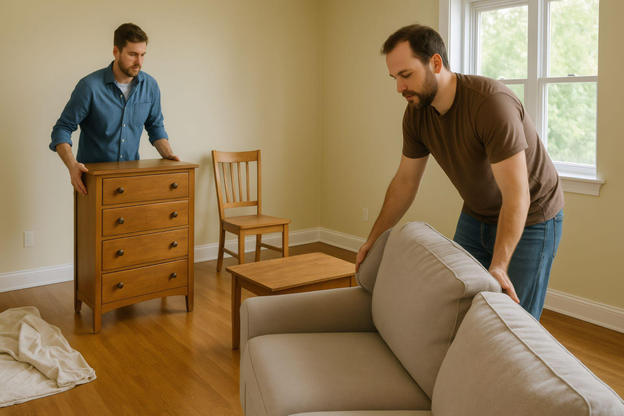
Furniture removal is often the most physically demanding part of moving house. Large items are heavy, awkward to handle, and easy to damage when rushed. Without proper planning, even a short move can turn into a long and stressful day.
Whether you are moving across Cairns or into a nearby suburb, preparation makes all the difference. Furniture needs more thought than boxes because mistakes can lead to injuries or costly damage. These 13 tips focus on practical steps that help keep your move smooth and manageable.
1. Measure Everything Before Moving Day
Before lifting anything, measure your furniture and all access points. Doorways, hallways, staircases, and lifts should all be checked ahead of time. This helps you plan the safest path for each item.
Measuring early also avoids last-minute problems on moving day. Getting stuck halfway through a doorway wastes time and energy. It can also lead to damaged walls or scratched furniture.
2. Declutter Before You Start
Moving furniture you no longer want adds unnecessary work. Go through each room and decide what is worth keeping. Selling or donating items reduces the amount you need to move.
Fewer items mean faster loading and unloading. It also reduces transport costs and physical strain. Decluttering before the move makes settling into your new space easier.
3. Empty Drawers and Storage Areas
Furniture is much heavier when drawers are full. Remove clothing, books, and loose items before lifting. This makes furniture easier and safer to carry.
Empty drawers also protect the furniture itself. Loose items can shift and damage internal structures. Removing contents helps prevent breakage during transport.
4. Disassemble Furniture Where Possible
Beds, tables, and shelving units are often easier to move when taken apart. Removing legs or panels reduces bulk and awkward angles. Smaller pieces are safer to lift and easier to load.
Disassembly also protects weak joints. Large furniture moved in one piece can twist or crack. Breaking items down helps prevent long-term damage.
5. Take Photos Before Disassembly
Before taking furniture apart, take clear photos. These photos help you remember how everything fits together. They act as a simple guide during reassembly.
Photos save time and frustration later. You won’t need to guess where parts go. This makes setting up your new space smoother.
6. Keep Screws and Hardware Together
Small screws and bolts are easy to lose during a move. Place them in labelled zip-lock bags. Tape the bags securely to the furniture item.
Keeping hardware together avoids delays later. Searching for missing screws can be frustrating. Organisation saves time and stress.
7. Wrap and Protect Furniture Properly
Use blankets, towels, or padding to protect furniture surfaces. Corners and edges need extra protection. Wrapping prevents scratches and dents.
Padding also protects your home. Wrapped furniture is less likely to damage walls or door frames. This is especially important in narrow hallways.
8. Label Heavy or Fragile Items Clearly
Some furniture requires extra care. Clearly label heavy, bulky, or fragile pieces. This helps movers adjust how they lift and carry items.
At this stage, many people choose a professional furniture removalist Cairns residents rely on. Experienced movers know how to handle difficult items safely. This reduces the risk of damage or injury.
9. Clear Walkways Before Lifting
Remove rugs, cords, pot plants, and clutter from walkways. Clear paths make carrying furniture safer. It also speeds up the moving process.
Tripping hazards are common during moves. Clearing paths reduces accidents. Safety should always come first.
10. Use Proper Lifting Techniques
Lift with your legs and keep your back straight. Avoid twisting while carrying heavy items. Take slow, steady steps.
If something feels too heavy, stop. Asking for help is better than risking injury. One wrong lift can cause lasting damage.
11. Load the Truck in the Right Order
Heavy furniture should be loaded first. Place items against the truck walls. This creates a stable base.
Lighter items should be loaded last. Proper order prevents crushing and shifting. It keeps furniture secure during transport.
12. Secure Furniture During Transport
Use straps or ropes to hold furniture in place. Even short drives can cause items to move. Movement leads to damage.
Securing items protects both furniture and the truck. It also prevents sudden shifts when braking. Proper restraint is essential.
13. Allow More Time Than You Expect
Furniture removal almost always takes longer than planned. Starting early reduces pressure. Rushing leads to mistakes.
Extra time allows careful handling. It also gives room for breaks when needed. A calm pace makes the day easier.
Final Thoughts Before Moving Day
A smooth furniture removal comes down to preparation and patience. Measuring early, protecting furniture, and lifting safely can prevent injuries and damage. It is also worth considering the true furniture moving cost, including time, effort, and potential repairs if things go wrong. Sometimes experienced help is the smarter choice. For locals in Far North Queensland, Butler’s Removals & Storage is a trusted name when it comes to moving furniture with care.