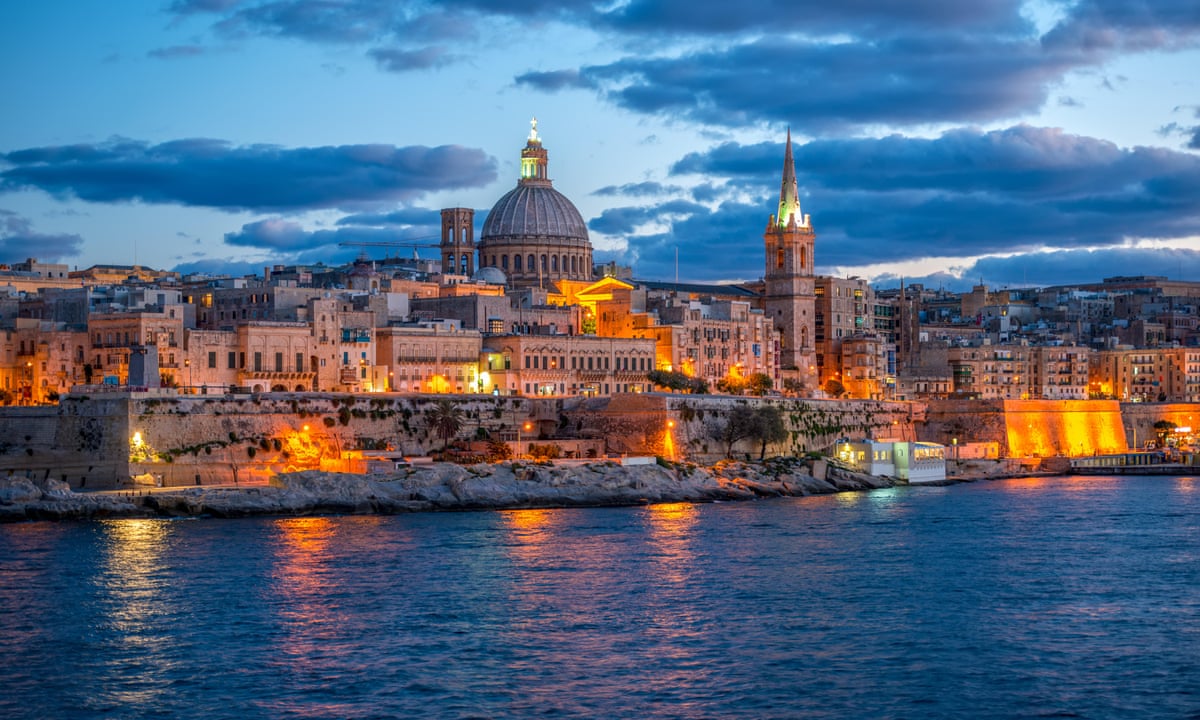
Malta has a way of surprising visitors with how much culture fits on such a small island. One moment you’re standing inside a grand Baroque cathedral, and the next you’re walking through a modern art space overlooking the harbour. Staying at ST Hotels in Sliema and Gżira keeps you close to these highlights, making it easy to spend your days discovering museums and galleries.
Here’s a list of the top museums and galleries to see in Malta.
- St John’s Co-Cathedral, Valletta
St John’s Co-Cathedral sits in the heart of Valletta and shows some of the most impressive Baroque art in Europe. This was built for the Knights of St John in the 1570s with a deliberately plain exterior, since the Knights preferred to keep the building’s great wealth hidden and avoid drawing attention to its treasures.
Once inside, the atmosphere changes completely. The space feels warm and richly decorated, with a ceiling painted by Mattia Preti, gold-covered arches, and a marble floor filled with detailed tombs.
The oratory holds the cathedral’s most famous artwork: Caravaggio’s Beheading of St John the Baptist. Many visitors come mainly to see this painting, as it has a powerful style and emotional tone.
The museum inside the complex shows several important collections, including:
- A large set of Baroque tapestries
- Silk vestments with detailed embroidery
- Illuminated choral books decorated with gold leaf
- Silver objects such as chalices and reliquaries
These pieces help explain the long artistic tradition linked to St John’s Co-Cathedral and make it one of the most memorable cultural sites in Malta.
- MUŻA – Malta National Community Art Museum
MUŻA sits inside the former Auberge d’Italia in Valletta and explores how Maltese art has evolved over the years. In fact, the name comes from the Maltese title for the museum, and it also means “inspiration,” which reflects its focus on creativity and community.
The collection covers several centuries of art, showing how Maltese artists were shaped by their surroundings and by different periods of rule, including the Knights of St John, the British Empire, and the years after Independence. The displays make these changes easy to follow and give a clear sense of how local styles developed.
The museum is organised into four main themes:
- Mediterranean: religious and everyday scenes
- Europe: art linked to the Knights’ time in Malta
- Empire: works created during British rule
- The Artist: modern Maltese ideas and experimentation
MUŻA brings these stories together in a gentle and engaging way, making it a relaxing stop for anyone interested in art in Malta.
- National War Museum at Fort St Elmo, Valletta
Fort St Elmo sits at the edge of Valletta and has guarded the entrance to the harbours for many centuries. The fort faced some of Malta’s hardest moments, including the Great Siege of 1565 and the aerial attacks during the Second World War.
The National War Museum is located inside the fort and presents Malta’s military story. The galleries move through different periods and show important objects, such as:
- Armour linked to the Knights of St John
- The Gloster Sea Gladiator “Faith”
- Roosevelt’s wartime jeep “Husky”
- The George Cross awarded to Malta in 1942
There are both indoor and outdoor areas to see, with wide harbour views that help place the fort’s history into context. The museum offers a simple and moving look at how conflict shaped daily life on the islands.
- MICAS – Malta International Contemporary Art Space
MICAS sits on the restored Floriana fortifications just outside Valletta, having opened in late 2024. It blends the old stone walls with a clean modern design, creating an open space with sea views and outdoor paths.
Inside the museum, the galleries are designed to shift and adapt, so each exhibition feels new. The space supports artists working in different styles and shows ideas shaped by the Mediterranean region as well as the wider international scene.
Alongside the main galleries, MICAS also offers:
- Outdoor areas for large sculptures
- Rooms for learning, research, and creative projects
- Workshop and media spaces
- A shop designed by the studio FormaFantasma
MICAS aims to give Malta a strong place in the contemporary art world and offers a thoughtful mix of history, design, and creativity.
- Wignacourt Museum, Rabat
The Wignacourt Museum sits inside a grand Baroque building that once housed the Chaplains of the Knights of St John. It stands beside St Paul’s Grotto, a place linked to the first Christian community in Malta. The setting feels calm and historic, and it gives visitors a clear sense of how long this area has been lived in.
The first floor shows a mix of art and religious pieces, including:
- Paintings by Mattia Preti, Antoine Favray, Francesco Zahra, and other well-known artists
- A collection of silver made in Spain, Italy, and Malta
- Rare books, small relics, and a wooden altar once used on the Knights’ galleys
The lower levels take you into a very different space. These underground areas include:
- Ancient Punic, Roman, and early Christian burial chambers
- A large World War II air-raid shelter with long corridors and small rooms
- A passage that leads directly to St Paul’s Grotto
The mix of art, early Christian history, and underground sites makes the Wignacourt Museum one of the most interesting museums in Malta.
- Palazzo Falson Historic House Museum, Mdina
Palazzo Falson stands in the quiet streets of Mdina and is one of the city’s oldest homes. The building started as part of the old defensive area and slowly developed into a historic residence. In the 1500s, new architectural details were added, including the elegant twin-arched windows that still draw attention today. The palazzo also welcomed Grand Master Philippe Villiers de L’Isle Adam during his brief stay in 1531.
Many years later, Captain Olof Gollcher became the owner. He restored the house with great care and filled it with objects that reflected his interests, such as:
- Paintings and small sculptures
- Antique furniture and silverware
- Rare books and personal collections
The museum now preserves both the home and Gollcher’s collection.
Conclusion
Malta offers a wide mix of cultural experiences for whatever anyone is looking for, whether its ancient history or contemporary art. Staying at ST Hotels locations in Sliema or Gżira gives visitors an easy base for exploring these museums and enjoying the island’s artistic and historical charm.