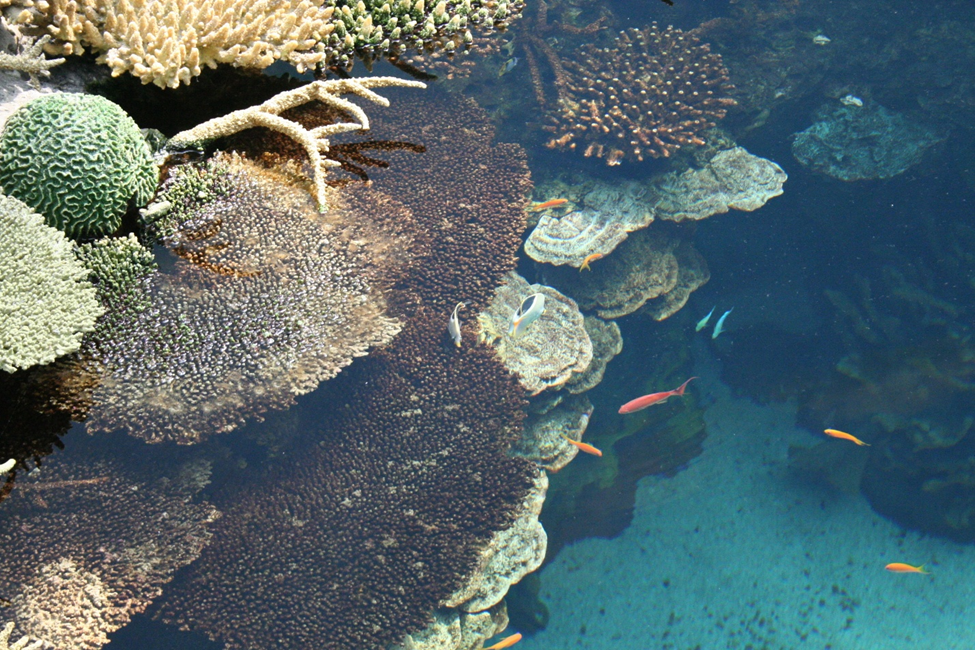
Coral reefs cover less than 1% of the ocean floor, yet they support roughly 25% of all marine species. These underwater ecosystems provide food, shelter, and breeding grounds for countless organisms, from tiny plankton to apex predators. Beyond their ecological value, reefs protect coastlines from storm damage, support fishing industries, and generate billions in tourism revenue annually.
Anyone who has experienced the crystal-clear waters off Western Australia during whale shark tours in Exmouth understands how closely marine life and reef health are connected. Operators like Three Islands Whale Shark Dive regularly bring visitors into some of the region’s most biologically rich waters, where healthy reef systems support everything from coral communities to whale sharks and reef fish. These encounters offer a firsthand look at how thriving reefs sustain marine biodiversity while also highlighting why their protection matters so deeply.
What Are Coral Reefs?
Coral reefs are complex underwater structures built by colonies of tiny animals called polyps. These polyps belong to the phylum Cnidaria, the same group that includes jellyfish and sea anemones. Each polyp secretes calcium carbonate, which hardens into a protective skeleton. Over hundreds or thousands of years, these skeletons accumulate and form the massive reef structures visible today.
The Great Barrier Reef in Australia, for instance, spans over 1,400 miles and contains roughly 2,900 individual reefs. It took approximately 500,000 years to reach its current size. Smaller reefs in the Caribbean or Southeast Asia may only be a few thousand years old but remain equally vital to their local ecosystems.
Three main types of coral reefs exist:
- Fringing reefs grow directly from the shore and extend outward into the sea
- Barrier reefs run parallel to coastlines but are separated by deep lagoons
- Atolls form circular or oval shapes around lagoons, often marking where volcanic islands once stood
Each type supports different marine communities and serves unique ecological functions.
The Living Architecture of Reefs
Many people struggle to categorise coral. The debate over whether coral is a rock highlights this confusion. Coral skeletons are mineral structures made of calcium carbonate, similar to limestone. But the polyps themselves are living animals that form symbiotic relationships with microscopic algae called zooxanthellae.
These algae live inside coral tissues and perform photosynthesis, converting sunlight into energy. The coral receives up to 90% of its nutrition from these algae, while the zooxanthellae gain a protected environment and access to the coral’s waste products, which they use as nutrients. This partnership allows coral to thrive in nutrient-poor tropical waters.
When water temperatures rise even a few degrees above normal, corals expel their zooxanthellae in a stress response called bleaching. Without their algae partners, corals turn white and often starve. Mass bleaching events in 2016 and 2017 killed roughly half of the Great Barrier Reef’s shallow-water corals, according to data from the Australian Institute of Marine Science.
Why Coral Reefs Matter to Humans
Coastal Protection
Healthy reefs act as natural barriers against waves and storm surge. A 2014 study published in Nature Communications found that coral reefs reduce wave energy by an average of 97%. This protection prevents erosion and protects coastal infrastructure worth billions of dollars. In countries like the Maldives, where the highest natural point sits just 7.8 feet above sea level, reefs literally keep islands habitable.
Food Security
Over 500 million people depend on coral reefs for food and income. Reefs support commercial and subsistence fisheries in more than 100 countries. Species like grouper, snapper, and parrotfish rely on reefs for shelter and feeding grounds. When reefs degrade, fish populations decline, threatening food security for communities that rely on them.
Economic Value
The global economic value of coral reefs reaches approximately $375 billion per year, according to estimates from the National Oceanic and Atmospheric Administration (NOAA). Tourism accounts for a significant portion of this value. In Australia alone, the Great Barrier Reef generates over $6 billion annually and supports more than 64,000 jobs. Dive tourism, snorkeling, and glass-bottom boat tours draw millions of visitors who want to experience these ecosystems firsthand.
Medical Research
Coral reef organisms have yielded compounds used to treat cancer, arthritis, and bacterial infections. The Caribbean sea sponge produces a chemical now used in the HIV drug AZT. Scientists continue to discover new compounds with potential pharmaceutical applications, making reef biodiversity valuable beyond its ecological role.
How Different Species Use Reefs
Coral reefs function like underwater cities, with different zones serving different purposes. The reef crest, where waves break, hosts hardy corals that can withstand constant turbulence. Deeper sections shelter more delicate species that need calmer conditions.
Fish communities organise themselves based on these zones. Parrotfish spend their days scraping algae off coral surfaces, inadvertently grinding coral skeleton into sand. A single parrotfish can produce up to 200 pounds of sand per year. Cleaner wrasses set up “cleaning stations” where larger fish stop to have parasites removed. Moray eels hide in reef crevices during the day and hunt at night.
Invertebrates fill countless ecological niches. Sea urchins graze on algae, preventing overgrowth that would smother corals. Crown-of-thorns starfish feed on coral polyps themselves, and population booms can devastate reef sections. Crustaceans like cleaner shrimp and mantis shrimp occupy small territories within the reef structure.
Larger predators like reef sharks and barracuda patrol reef edges, hunting smaller fish. Their presence indicates a healthy ecosystem with enough prey to support top predators. When these species disappear, it often signals broader ecological problems.
Threats Facing Coral Reefs Today
Ocean Warming
Rising sea temperatures cause repeated bleaching events. The Intergovernmental Panel on Climate Change (IPCC) predicts that 70-90% of coral reefs will disappear if global temperatures rise 1.5°C above pre-industrial levels. At 2°C warming, over 99% would be lost. Ocean temperatures have already increased by approximately 1°C since the late 1800s.
Ocean Acidification
The ocean absorbs roughly 30% of atmospheric carbon dioxide. When CO2 dissolves in seawater, it forms carbonic acid, lowering the ocean’s pH. This process, called ocean acidification, makes it harder for corals to build their calcium carbonate skeletons. Current pH levels are about 0.1 units lower than pre-industrial times, representing a 30% increase in acidity.
Pollution
Agricultural runoff carries fertilisers and pesticides into coastal waters. Excess nutrients fuel algae blooms that block sunlight and deplete oxygen. Plastic pollution entangles marine life and introduces toxic chemicals. A 2018 study in Science found that plastic debris increases the likelihood of disease in corals from 4% to 89%.
Overfishing
Removing too many herbivorous fish allows algae to overgrow corals. Destructive fishing practices like blast fishing and cyanide fishing directly damage reef structures. Even well-managed fisheries can disrupt ecological balance when key species are overharvested.
Coastal Development
Construction projects increase sedimentation, smothering corals. Dredging for ports and marinas destroys reef habitat directly. As coastal populations grow, pressure on nearby reefs intensifies.
Experiencing Reefs Responsibly
Tourism can fund conservation efforts when managed properly. Entrance fees to marine parks often support reef monitoring and restoration projects. Guidelines for responsible reef tourism include:
Choose certified operators who follow environmental best practices. Look for businesses with eco-certifications or partnerships with conservation organisations.
Use reef-safe sunscreen without oxybenzone or octinoxate, chemicals that contribute to coral bleaching even in small concentrations. Hawaii and Key West have banned sunscreens containing these ingredients.
Maintain distance from marine life. Touching coral damages the protective mucus layer that prevents infection. Standing on reefs breaks fragile structures that took decades to grow.
Avoid feeding fish, which alters natural behavior and diet. Fish that become dependent on human food may struggle when tourism declines.
Support local conservation. Many dive shops and tour operators partner with reef restoration projects. Even small donations help fund coral nurseries and monitoring programs.
Looking Forward
Coral reefs survived five mass extinction events over the past 500 million years. They recovered from ice ages and asteroid impacts. But current threats occur faster than natural adaptation can keep pace. Scientists estimate that without intervention, most reefs could functionally collapse within our lifetime.
Conservation strategies range from local to global scales. Marine protected areas restrict fishing and development in critical habitats. Coral restoration projects grow resilient strains in nurseries and transplant them to degraded reefs. Some researchers explore genetic modification to breed heat-tolerant coral varieties.
Success requires coordinated action. Reducing carbon emissions addresses the root cause of warming and acidification. Improving water quality helps reefs withstand other stresses. Supporting sustainable fishing practices maintains ecological balance. Each action reinforces the others, creating conditions where reefs can recover and adapt.
The same underwater environments that support coral reefs also create encounters with magnificent species like whale sharks, manta rays, and sea turtles. Protecting these ecosystems preserves not just individual species but entire webs of life that have developed over millennia. Every healthy reef represents a victory worth celebrating and a resource worth defending.