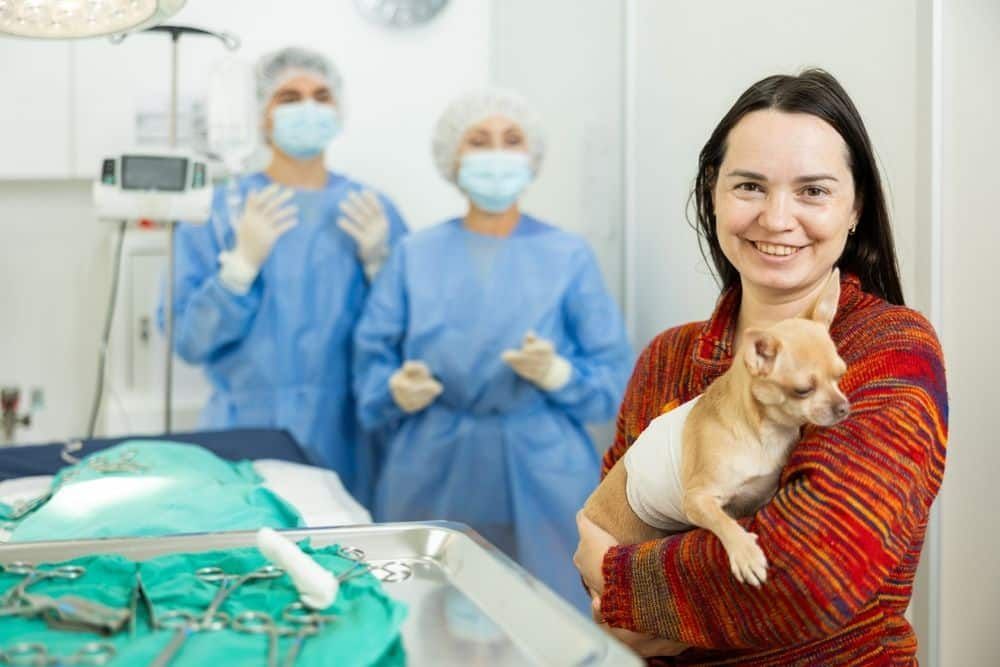
You notice the change before anyone else does. Your dog starts limping after a jump off the couch, your cat stops finishing meals, or your new puppy reaches the age when everyone has an opinion about spaying or neutering. That is usually when the stress starts. You want to do the right thing, but finding veterinary care in Dallas, TX can feel like a blur of medical terms, costs, and choices that suddenly matter a lot.
Most visits to a veterinary clinic are not dramatic emergencies. They are routine, common, and often the reason pets stay healthier for longer. The four procedures owners see most often are wellness exams, vaccinations, spay and neuter surgery, and dental cleanings. Each one serves a different purpose, and each one can prevent larger problems that are harder on your pet and your budget.
Wellness exams in a veterinary clinic catch problems early
A routine exam can look simple from the outside. Your pet gets weighed, the veterinarian checks the eyes, ears, teeth, heart, lungs, skin, joints, and abdomen, and you talk through any changes at home. It may not feel urgent, especially if your pet seems fine, but that is exactly why these visits matter.
Animals are good at hiding pain. A pet can eat, sleep, and still have dental disease, arthritis, ear infections, or the start of a heart issue. You might only notice a small shift, less jumping, more licking at a paw, a change in litter box habits. Those details often lead to early treatment instead of a crisis visit later.
Among the common veterinary procedures performed every day, the wellness exam is the one that ties everything together. It gives your veterinarian a baseline, helps track weight and aging, and creates space for questions before a problem gets bigger.
Vaccinations protect pets from preventable illness
Vaccines are another standard part of care in veterinary clinics. Puppies and kittens need a series of shots early in life, and adult pets need boosters based on age, lifestyle, and risk. A dog that boards, visits parks, or meets other dogs has different needs than one that stays mostly at home. The same goes for indoor cats versus cats that slip outside.
Skipping vaccines can seem harmless when your pet looks healthy. The trouble is that diseases like parvovirus, distemper, and rabies do not wait for a convenient moment. Treatment for preventable illness is often far more expensive and far more painful than prevention.
This is one of those routine veterinary procedures that pays off quietly. You may never see the benefit in a dramatic way, and that is the point. Prevention usually looks uneventful when it works.
Spay and neuter surgery remains one of the most discussed pet procedures
Few topics bring out stronger opinions than spaying and neutering. You may hear that it should happen early, or later, or only for certain breeds. That confusion is real. The right timing can depend on species, breed, size, sex, and health history.
Spay and neuter surgery is still one of the most common procedures done in a veterinary clinic. It helps prevent unwanted litters and can reduce the risk of some health and behavior problems. It is also surgery, which means owners naturally worry about anesthesia, pain, recovery, and cost.
If you are weighing the decision, it helps to read balanced guidance. The AVMA offers a clear spay and neuter brochure, and the University of Illinois explains factors affecting whether, how, and when to neuter your pet. Those decisions are rarely one size fits all, and a thoughtful discussion with your veterinarian matters more than pressure from other pet owners.
Dental cleanings treat pain that pets rarely show
Dental disease is easy to miss because it builds slowly. Bad breath gets brushed off as normal, tartar seems cosmetic, and many pets keep eating even when their mouths hurt. By the time there is drooling, pawing at the mouth, or visible swelling, the problem is often advanced.
Professional dental cleanings are one of the most overlooked pet care services. They usually include an oral exam, scaling above and below the gum line, polishing, and sometimes dental X rays. If infected or damaged teeth are found, extractions may be needed.
This is where delay gets expensive. Untreated dental disease can lead to infection, tooth loss, and ongoing pain. For some pets, it also affects the heart, liver, and kidneys over time. Owners often feel guilty when they learn how much discomfort their pet was hiding. That reaction is common, and it is also why regular checks matter.
Common procedures in veterinary clinics compared side by side
| Procedure | Main Purpose | When It Is Commonly Done | What Owners Should Expect |
|---|---|---|---|
| Wellness Exam | Detect early health issues and track overall condition | Usually once or twice a year depending on age and health | Physical exam, discussion of behavior, diet, weight, and concerns |
| Vaccinations | Prevent infectious disease | Series in young pets, then boosters as advised | Brief visit, mild soreness or fatigue possible after shots |
| Spay or Neuter | Prevent reproduction and reduce some health and behavior risks | Timing varies by species, breed, size, and medical advice | Pre op exam, anesthesia, short recovery period, activity limits |
| Dental Cleaning | Remove plaque and tartar, treat dental disease | Based on exam findings, age, and oral health | Anesthesia, cleaning, possible X rays and extractions if needed |
Three steps that make veterinary decisions easier
Track small changes at home. Write down appetite changes, limping, coughing, bathroom habits, energy level, and anything that feels off. You do not need perfect notes. A few details can help your veterinarian connect the dots faster.
Ask for the why behind each procedure. If a vaccine, dental cleaning, or surgery is recommended, ask what problem it prevents, what happens if you wait, and what recovery looks like. Clear answers lower stress and help you make decisions with more confidence.
Plan for routine care before it becomes urgent. Preventive visits and scheduled procedures are easier to manage than emergency treatment. If cost is a concern, ask about estimates, timing, and which services are most time sensitive.
Routine veterinary care supports a longer, healthier life
The most common procedures in veterinary clinics today are common for a reason. They find illness sooner, prevent avoidable disease, reduce pain, and give your pet a better chance at a long, stable life. If you have been putting off a visit because you were unsure where to start, start with the basics. Schedule an exam, bring your questions, and deal with what is in front of you one step at a time.