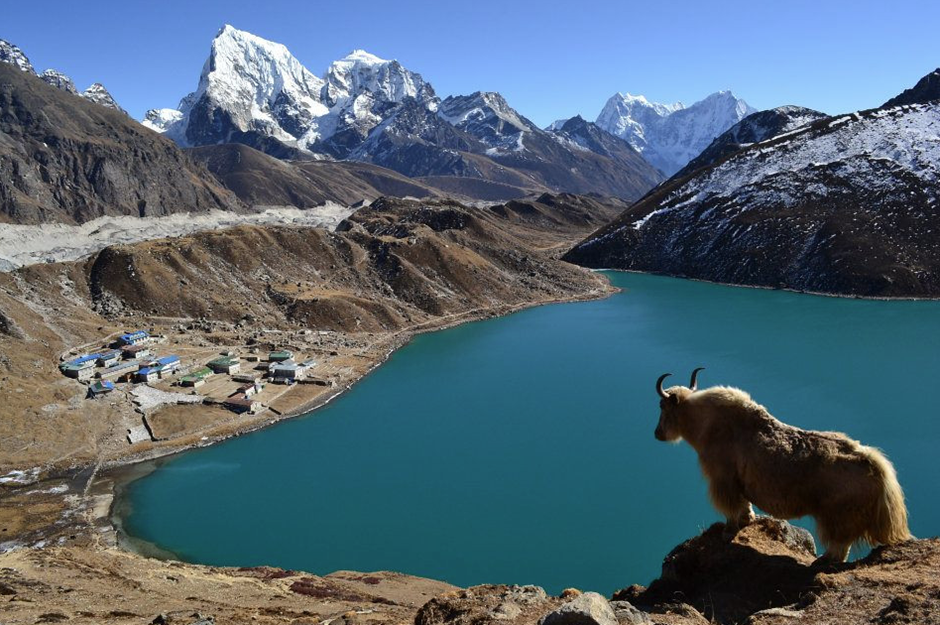
The Everest Three High Pass trek has been rated amongst the most difficult yet the most rewarding explorations in the Himalayas. It crosses three mountain passes of high altitude, including Kongma La (5,535 m / 18,159 ft), Cho La (5,420 m / 17,782 ft), and Renjo La (5,360 m / 17,585 ft), and provides a spectacular view of Mount Everest (8,848.86 m / 29,031 ft) and numerous other peaks.
Although scenery and physical challenge are the major attractions, there are practical questions that are raised by many people before they travel. What are the tea houses like? What type of food do they offer? What is life like at high altitude?
This informative Everest Three High Pass Trek accommodation guide will answer all these questions, among others, and make you see what to expect on your trip.
Understanding the Everest Three High Pass Trek Accommodation
The Everest area is known to have a tea house system of trekking. This implies that you do not have to go camping and carry heavy food supplies. Rather, you stay overnight in little mountain guesthouses known as tea houses, where you get simple lodgings, hot food, and a bed.
The Everest Three High Pass trek has simple accommodations that are comfortable enough for the trekkers. Most of the villages along the route have tea houses, including Namche Bazaar (3,440 m / 11,286 ft), Tengboche (3,867 m / 12,687 ft), Dingboche (4,410 m / 14,469 ft), Lobuche (4,940 m / 16,207 ft), Gokyo (4,790 m / 15,715 ft), and Thame (3,800 m).
The higher up you get, the simpler the facilities get. Nevertheless, the hospitality of the local Sherpa families that operate these lodges is a warm and friendly one during the course of the trek.
Tea House Rooms: What to Expect
The rooms taken during the Everest Three High Pass Trek are typically of twin share. The rooms are usually equipped with two single beds, a small table, and, in some cases, have a window that overlooks the mountains. Blankets are included, but they might not be very thick, particularly in high altitudes. It is highly advisable to have a good sleeping bag, especially after crossing Dingboche (4,410 m / 14,469 ft).
Lower altitude such as in Lukla (2,860 m / 9,383 ft) and Namche Bazaar (3,440 m / 11,286 ft), may be quite comfortable. Some lodges can provide attached bathrooms and electric blankets at an added cost.
Rooms are simpler as you go higher into Lobuche (4,940 m / 16,207 ft) and Gorakshep (5,164 m / 16,942 ft). Walls of the rooms are thin plywood, and the insulation is minimal. It can be extremely cold at night, particularly towards the high passes like Kongma La (5,535 m / 18,159 ft) and Cho La (5,420 m / 17,782 ft).
The toilets are typically communal. Toilets can be westernized on low elevations and squat on high ones. Hot showers can be found in most villages, though they cost extra and cannot be found at extremely high altitudes.
Dining Areas and Social Life
The dining hall is one of the unforgettable aspects of the Everest Three High Pass Trek Accommodation. Each tea house has a general dining room, in which it has tables and chairs and a central stove. During the evenings, this stove is lit with dried yak dung and wood, and this gives warmth to the cold mountain atmosphere.
Here, trekkers sit down to dine, chat, play cards, read books, and tell tales. The house that serves as the dining hall turns out to be the center of everyday life. It is also the place where you can charge your devices, but charging is often an additional cost.
The higher you rise, the less electricity you have. Solar panels are used as a source of power in higher villages like Gokyo (4,790 m / 15,715 ft) and Lobuche (4,940 m / 16,207 ft). To recharge your phone or camera, it could be time-consuming and more costly.
There are several locations where Wi-Fi is found, although the connection is unreliable, particularly further north of Namche Bazaar (3,440 m / 11,286 ft).
Food on the Everest Three High Pass Trek
Food is very important to maintain your level of energy during the trek. Surprisingly enough, the menu of most tea houses is very diverse, given the remoteness of the area.
Dal bhat is the most favored and suggested meal, consisting of rice, a lentil soup, vegetables, and curry in some cases. Dal bhat is popular due to the fact that it is satisfying, healthy, and it usually has free refills. It is consumed by many trekkers up to one or two times a day.
The other menu items are fried rice, noodles, pasta, momos (dumplings), soups, pancakes, porridge, eggs, and bread. In bigger towns, such as Namche Bazaar (3,440 m / 11,286 ft), there could be pizza, bakery, and coffee shops.
The higher up you go, the higher the prices are, since everything is taken there by porters or yaks. As an illustration, a basic lunch in Gorakshep (5,164 m / 16,942 ft) will be much more expensive than the same lunch in Lukla (2,860 m / 9,383 ft).
Tea houses will provide water. You may purchase bottled water, which is not eco-friendly and is not cheap. It is more appropriate to drink safe water by using a filter or water purifying pills and refill your bottle with that water.
Hot drinks like tea, coffee, ginger tea, and hot lemon are highly received and extremely popular, especially on chilly evenings.
Daily Routine on the Trek
Daily life during the Everest Three High Pass Trek is very basic. Most days are early in nature; that is, they start between 6:00 and 7:00 in the morning. Breakfast is taken in the dining hall, and trekkers get ready to go on the day’s walk.
You begin to trek after breakfast. The time spent walking is also different; however, on average, there are 5 to 7 hours of hiking per day. The high passes, such as Kongma La (5,535 m / 18,159 ft), Cho La (5,420 m / 17,782 ft), and Renjo La (5,360 m / 17,585 ft), may only be taken up early in the day and may increase in duration.
You generally come to the next village in the afternoon. Once you have checked into your tea house room, you can have some rest, visit the village, or have a hot beverage in the dining hall.
In the evening, dinner is normally served between 6: 00 pm and 7: 00 pm. Trekker unwinds after dinner and chats or strategizes for the next day. Due to the cold weather and early mornings, the majority of people go to bed early.
Acclimatization and Rest Days
During the Everest Three High Passes trek, acclimatization is a necessity. Some of the typical rest days include villages like Namche Bazaar (3,440 m / 11,286 ft) and Dingboche (4,410 m / 14,469 ft). You spend your days in the tea house on these days, but you do a short hike to a higher place and then come back to sleep at the same height.
The days of rest are significant towards acclimatization to altitude and mitigating the chances of altitude sickness. This additional time will help you to experience life in the village and get to know more about the Sherpa culture.
The Accommodation in the Everest Three High Pass Trek in acclimatization days is the same as in trekking days, except that you might have more time to relax and meet with the locals.
Hygiene and Health Considerations
The standards of hygiene are different along the Everest Three High Passes trekking route. At the lower levels, the facilities are better and cleaner. The higher up you go, the simpler things are.
Washing hands is extremely crucial, particularly before and after your meals. It is very important to have hand sanitation. Numerous tea houses serve boiled water to wash hands in the dining room.
Most villages have hot showers until Dingboche (4,410 m / 14,469 ft), past which there might be a shortage or none whatsoever. Water does not necessarily become hot even when it is available.
The toilets in the high elevation may be basic. Carrying toilet paper and personal hygiene products is necessary because they are not always offered.
The elevation issue above 3,000 m (9,843 ft) is a severe threat of altitude sickness. In case of the appearance of such symptoms as a headache, nausea, or dizziness, it is necessary to rest and, in case of necessity, to move to a lower altitude.
Seasonal Differences in Accommodation
Spring (March to May) and autumn (September to November) are the most favorable seasons to choose for the Everest Three High Pass Trek. These are months when tea houses may be crowded, particularly in the tourist villages such as Namche Bazaar (3,440 m / 11,286 ft) and Gokyo (4,790 m / 15,715 ft). It may be beneficial to book rooms in advance by using a guide that will aid in getting a better room.
During winter (December to February), the temperatures are very low, particularly in the high passes like Kongma La (5,535 m / 18,159 ft). Some tea houses might close down because of a low number of trekkers and adverse weather.
The rainy season (June to August) falls in the lower regions, and the views of the mountains can be obscured by clouds. Nevertheless, accommodation is generally easier to bear since there are fewer trekkers.
Cultural Experience and Hospitality
Another aspect that is quite notable in the Everest Three High Pass Trek Accommodation is the opportunity to get a taste of Sherpa culture. There are a large number of tea houses which are owned by families, and a stay in them provides an insight into the mountain life.
There are prayer flags, images of Buddha, and mini posters in the lodges. You are able to visit monasteries in such villages as Tengboche (3,867 m / 12,687 ft) and get to know more about the traditions of the village.
This hospitality is complemented by the warmth of the hosts. The feeling of community along the trail is good despite the difficult setting.
Final Thoughts
Although the Everest Three High Pass Trek is physically challenging, the tea house system renders it so without the complex logistics. The accommodation in the Everest Three High Pass Trek is basic but comfortable enough with a cozy bed, sustaining meals, and a home to rest after tiring days of hiking.
Between the bustling dining halls of Namche Bazaar (3,440 m / 11,286 ft) and the serene lodges of Cho La (5,420 m / 17,782 ft), day-to-day life in the trail is direct and fulfilling. You need to have the right preparation and expectations so that you can have fun in the adventure, as well as the comfort provided at the tea houses of the Everest region.
Knowing what you should expect when it comes to rooms, food, hygiene, and day-to-day routine allows you to concentrate on the real beauty behind the trip, crossing high mountain passes, being below the tallest peaks in the world, and living in the very center of the Himalayas.
Reference: https://www.exploreinnepal.com/everest-three-high-pass-trek/