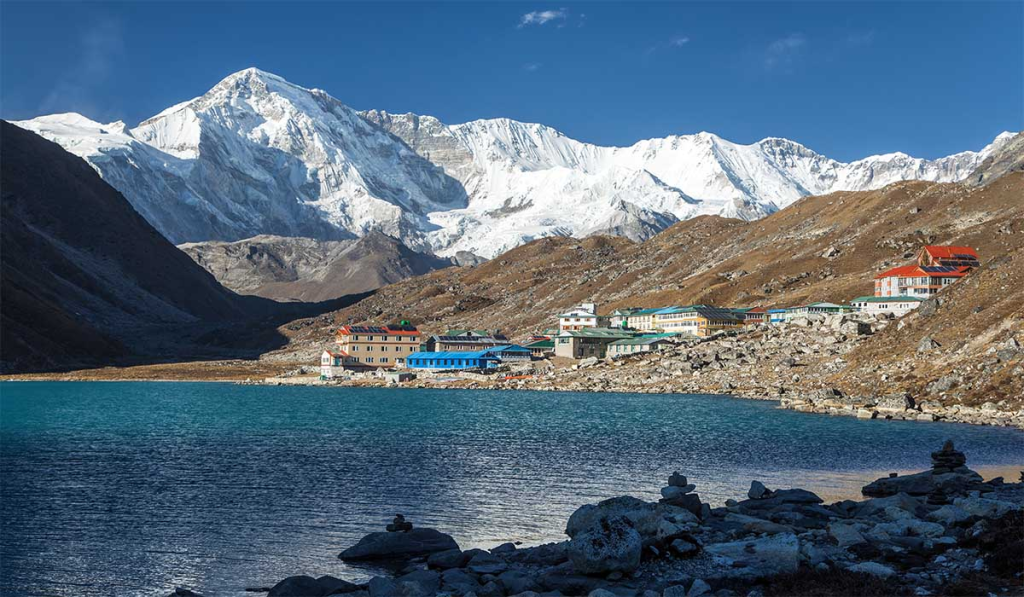
Nepal has some of the most sought-after high-altitude adventures in the world due to its diverse geography. It features landscapes from majestic mountains to alpine lakes and hills. This provides opportunities for trekking, peak climbing, and remote expeditions. Classic trekking routes like the Everest Base Camp Trek and the Everest Three Passes Trek bring an opportunity to explore the majestic mountains. Furthermore, they allow the trekkers to observe the cultural practices of the locals. Similarly, the Gokyo Lake trek is a more secluded journey that primarily focuses on the six stunning glacial lakes.
Additionally, Nepal presents a wide range of peak climbing opportunities. Peaks below 6,500 meters, like Island Peak Climbing and Mera Peak Climbing, cater to first-time climbers. Similarly, the more technical ones are for experienced climbers, like the Ama Dablam expedition and the Pumori expedition.
For a pleasant trekking experience, comfort and safety, it is important to choose the right season. Likewise, changes in the season impact almost everything from the trail condition to accessibility and visibility. Therefore, picking the right seasons minimises the risk of accidents and avoids extreme weather conditions.
Spring
March marks the beginning of the spring season in Nepal, and May marks the end. With winter cold fading away, the days get warmer, and the weather becomes more stable. However, early March still holds that hint of cold from winter, and upper-region trekking routes may still have some snow. From mid-March to April and May, temperatures rise, and the trails are dry and safe to walk on. Furthermore, the days get warmer, skies are bright and clear, and visibility improves, creating ideal conditions for trekking as well as peak climbing.
Trekking routes become livelier with blooming rhododendron and other alpine flowers. This creates a stunning visual contrast against the snow-covered himalayas. Moreover, wild animals are active during the spring season. This increases the probability of spotting them. The migratory birds start returning to the mountain region, providing birdwatching opportunities.
Autumn
Autumn (September to November) is one of the best seasons for high-altitude adventures in Nepal. Early September may experience post-monsoon rainfall. This impacts the lower elevations and forestry trails. Paths can be slippery and damp in some areas, so be careful with the footing and carry waterproof trekking clothes and gear.
However, by mid-September, rainfall reduces significantly, and by late-September, the skies begin to clear, and rainfall stops completely. Now the panoramic views are crisp as rain washes away the atmospheric dust. Likewise, the temperature is comfortable for trekking, and weather patterns are stable for mountain expeditions. Also, it is the most suitable time to observe national festivals like Dashain and Tihar, adding a cultural dimension to the high-altitude adventures in Nepal.
Winter
The winter season in Nepal has low temperatures, and the higher elevations experience heavy snowfall. Additionally, it has shorter daylight hours, making trekking and mountain expeditions risky. However, the days that go without snowfall generally have clear skies, offering excellent visibility and well-defined mountain views. So, treks are doable during this time with proper preparation and the assistance of a local licensed guide.
To prepare for unforeseen circumstances, get travel insurance that covers emergency helicopter evacuation and hospitalization. Technical mountain climbing, like the Ama Dablam expedition, is not recommended during winter due to extremely low temperatures and harsh weather conditions. Therefore, it is better suited for experienced climbers and not the first-timers.
Monsoon
This season brings continuous heavy rainfall, which makes the trails slippery and unstable. Likewise, wet rock faces and increased possibility of avalanches and landslides make mountain expeditions more challenging. Frequent dark clouds and persistent rain reduce the visibility. This hampers the scenic appeal of the routes and makes both trekking and mountain climbing risky.
So, it is better to avoid the monsoon for high-altitude adventures in Nepal. If you opt for treks around this time, then have waterproof gear and sturdy boots. Moreover, take the help of trekking sticks or poles to maintain balance on the trail. Lastly, have a licensed local guide assist you.
Tips For Choosing The Right Time For High Altitude Adventure
Based on experience
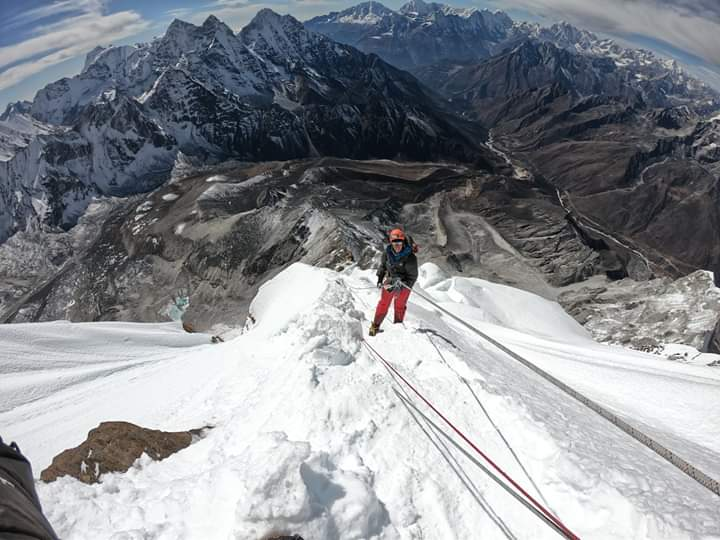
Newbies in both trekking and mountain expeditions should stick to the peak seasons (spring and autumn). As the weather conditions are stable and trails are well-established, the chances of accidents are significantly lower. Moreover, these seasons have excellent visibility, making navigation easier.
Depending on the activity
High-altitude treks with good medical accessibility and rescue operations can be done throughout the year. However, for the longer and remote routes, such as Kanchenjunga and Dolpo, choose seasons that offer clear visibility and sturdy trails. Similarly, peak climbing and mountain expeditions pose more danger during the monsoon and winter due to extreme cold and mountain storms. Therefore, selecting spring and autumn reduces the risk and ensures more manageable high-altitude adventures.
Plan For Crowd
For trekkers who want to enjoy the himalayas in solitude, plan your trip around the monsoon or winter seasons. During the peak season, the routes are crowded, and most of the accommodations are filled. However, there are fewer people during the off-season. This offers a more peaceful and personal experience.
Weather And Visibility
Regardless of the season, mountain weather is harsh and unpredictable. It can be sunny one minute and raining or snowing the next. This results in poor visibility, making the trails hazardous. Similarly, the snow obstructs the panoramic views of the surrounding vistas.
Therefore, it is important to plan your high-altitude adventures around these weather patterns. Monitor the weather forecast and remain updated on the possible natural disasters. Pause the trek when it is raining or snowing heavily and resume after the weather clears.