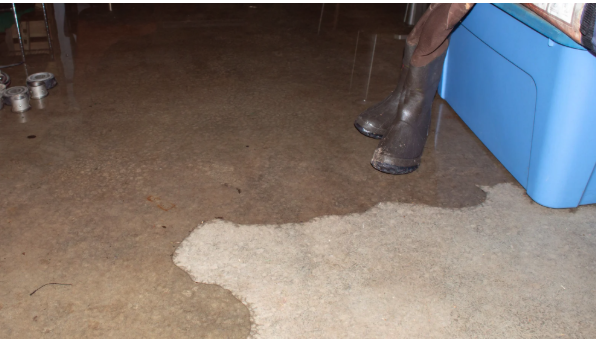
Protecting a basement from water intrusion requires more than a single solution. A reliable waterproofing system is built through a combination of methods that work together to manage moisture and prevent damage. Many homeowners considering basement waterproofing in Alpharetta recognize that lasting protection depends on addressing both visible and underlying issues. Water can enter through multiple pathways, making it essential to have a complete system in place. Understanding the key components involved helps explain how professional waterproofing ensures long-term structural stability and a dry indoor environment.
Interior Drainage Systems
Interior drainage systems play a vital role in controlling water that enters the basement. These systems are designed to collect and redirect water away from the foundation before it can cause damage. They are typically installed along the perimeter of the basement floor, capturing moisture that seeps through walls or floors. By channeling water toward a designated outlet, they help maintain a dry environment inside the space. This component is essential for managing water that cannot be stopped from entering, but can be effectively controlled.
Exterior Waterproofing Barriers
Exterior waterproofing focuses on preventing water from reaching the foundation in the first place. This involves applying protective coatings or membranes to the outside of foundation walls. These barriers act as a shield, stopping moisture from penetrating the structure. Proper installation ensures that the entire surface is covered, eliminating weak points where water could enter. Exterior protection is a critical part of a comprehensive system because it addresses the problem at its source rather than reacting to it later.
Proper Grading and Drainage Around the Property
The way water flows around a property has a direct impact on basement conditions. Proper grading ensures that water is directed away from the foundation instead of pooling near it. Without correct grading, even the best waterproofing systems can be overwhelmed by excessive water buildup. Addressing warning signs that a basement needs waterproofing often involves evaluating how water moves across the landscape. By improving drainage around the property, professionals reduce the amount of moisture that reaches the foundation, enhancing the effectiveness of the entire system.
Sump Pump Installation
A sump pump is an essential component for removing accumulated water from the basement. It works by collecting water in a designated pit and pumping it away from the property. This system is particularly useful during heavy rainfall or when groundwater levels rise. By actively removing water, a sump pump helps prevent flooding and reduces pressure on the foundation. Its role in maintaining a dry basement makes it a key element of a reliable waterproofing system.
Sealing Cracks and Structural Openings
Even small cracks in the foundation can allow water to enter the basement. Sealing these openings is an important step in preventing leaks and maintaining structural integrity. Professionals use specialized materials to fill cracks and reinforce vulnerable areas, ensuring that water cannot penetrate the surface. This process not only prevents immediate water intrusion but also helps strengthen the overall structure. Addressing these weak points is essential for creating a complete and effective waterproofing system.
Conclusion
A reliable basement waterproofing system is built on multiple components that work together to manage and prevent water intrusion. From drainage systems and protective barriers to proper grading and structural sealing, each element plays a critical role in maintaining a dry and stable basement. Professional installation ensures that these components are integrated effectively, providing long-term protection and preserving the integrity of the home.