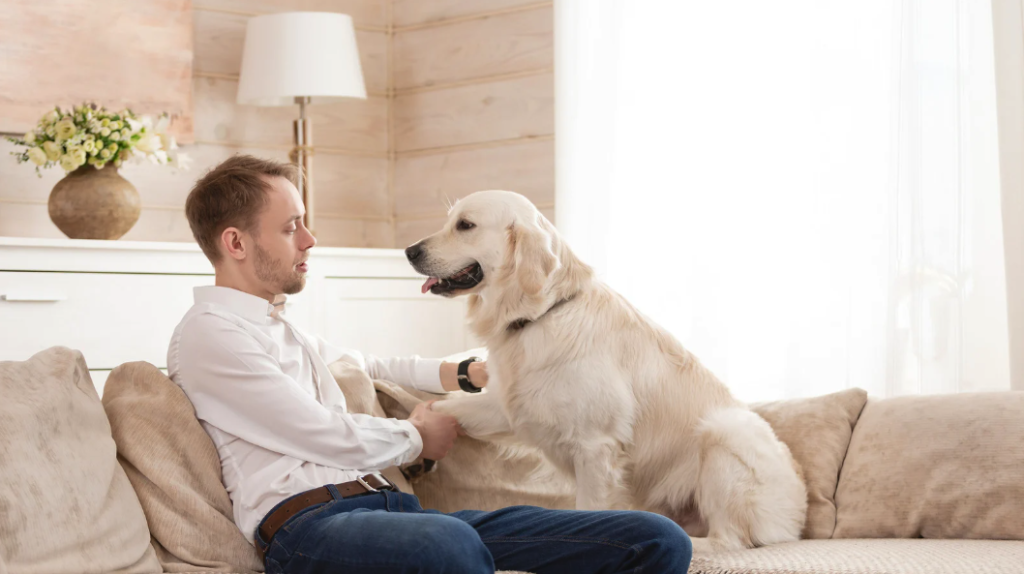
Living with a dog becomes far more enjoyable when there is clear communication and predictable behavior in daily routines. Many pet owners turn to dog obedience training in Atlanta to help their dogs develop discipline and respond appropriately in different situations. Obedience training focuses on teaching dogs how to understand commands, manage impulses, and behave calmly within the home environment. With professional guidance, dogs learn how to adapt to household expectations, creating a more balanced and stress-free living experience for both the dog and the owner.
Establishing Clear Communication at Home
One of the most important benefits of obedience training is the development of clear communication between dogs and their owners. Dogs rely on consistent cues to understand what is expected of them. Training helps owners deliver commands in a structured and reliable way, which reduces confusion for the dog. When communication is clear, dogs are more likely to respond correctly and consistently. This clarity leads to smoother daily interactions and fewer misunderstandings. Over time, the bond between the dog and owner strengthens as both learn to understand each other better.
Reducing Unwanted Behaviors
Unwanted behaviors such as excessive barking, jumping, or ignoring commands can disrupt the home environment. Obedience training addresses these issues by teaching dogs appropriate responses to everyday situations. Through structured sessions, dogs learn to replace negative behaviors with controlled actions. This process helps create a calmer and more manageable household. As dogs begin to understand boundaries, they become more predictable and easier to handle. Reducing unwanted behaviors not only improves the living environment but also enhances the overall relationship between the dog and owner.
Building Consistency Through Structured Training
Consistency is a key factor in improving behavior at home. Training programs focus on establishing routines that help dogs understand what is expected in different situations. This structured approach is often reinforced in programs such as an advanced obedience class, where dogs learn to respond reliably even in more challenging environments. Consistent training ensures that commands are followed regardless of distractions. By maintaining this level of consistency, dogs develop habits that support positive behavior throughout their daily lives.
Improving Impulse Control and Focus
Impulse control is essential for maintaining good behavior in a home setting. Dogs that lack control may react impulsively to stimuli such as visitors, food, or sudden noises. Obedience training helps dogs develop the ability to pause and respond thoughtfully rather than reacting immediately. This improved focus allows dogs to remain calm and attentive, even in situations that might otherwise trigger excitement or anxiety. With better impulse control, dogs can navigate everyday scenarios more effectively, contributing to a more peaceful home environment.
Enhancing Social Behavior Within the Household
Dogs that undergo obedience training often display better social behavior around family members and guests. Training helps dogs understand how to interact appropriately without becoming overly excited or anxious. This is particularly important in homes with children or frequent visitors. Well-trained dogs are more likely to remain calm and respectful, making interactions more enjoyable for everyone. Improved social behavior also reduces the risk of conflicts or misunderstandings within the household, creating a more harmonious living space.
Supporting Long-Term Behavioral Stability
Obedience training provides a foundation for long-term behavioral stability. The skills learned during training sessions continue to influence a dog’s behavior as it grows and encounters new situations. Regular reinforcement of these skills ensures that positive behavior is maintained over time. Dogs that receive consistent training are more adaptable and better equipped to handle changes in their environment. This long-term stability benefits both the dog and the owner by creating a reliable and predictable relationship.
Conclusion
Dog obedience training plays a vital role in improving everyday behavior at home by establishing clear communication, reducing unwanted actions, and building consistent habits. Through structured guidance and professional training, dogs learn to respond appropriately in a variety of situations, leading to a more balanced and enjoyable home environment.