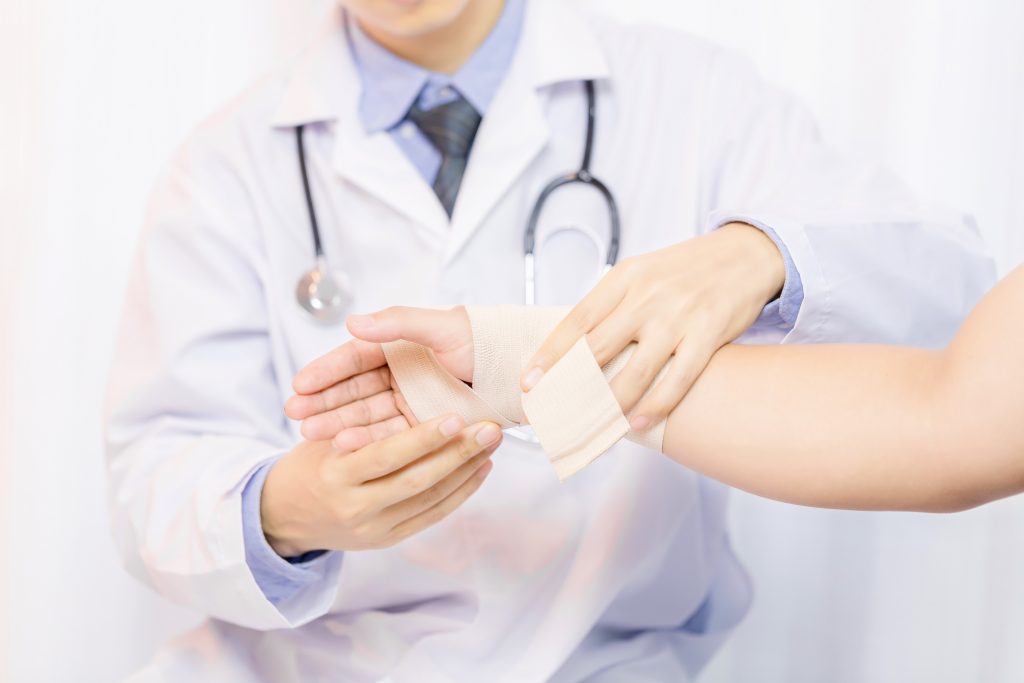
Injuries can happen suddenly and change daily life in an instant. Whether it’s a sports injury, a fall, a strain from overuse, or an accident, recovery is often more than just waiting for pain to disappear. Proper healing involves patience, consistency, and understanding how the body repairs itself. How someone manages recovery can strongly affect how quickly and completely they return to normal activity.
Understanding the healing process
When the body is injured, it immediately begins a natural repair process. This usually happens in three overlapping stages: inflammation, repair, and remodeling.
The inflammation stage begins right after the injury. Swelling, redness, and pain are common because the body is sending blood and immune cells to protect the damaged area. Although inflammation can feel uncomfortable, it is a necessary step for healing.
Next comes the repair stage. During this phase, the body starts rebuilding damaged tissue. New cells and collagen fibers form to replace what was injured. This stage can last days or weeks depending on the severity of the injury.
Finally, the remodeling stage can last for months. The new tissue gradually becomes stronger and more organized. This is why people are often advised to slowly return to activity instead of jumping back too quickly.
Understanding these stages helps set realistic expectations. Healing is not instant, and pushing too hard too early can slow progress or even cause re-injury.
The importance of rest and protection
One of the most important parts of recovery is allowing the injured area to rest. Rest does not always mean complete inactivity, but it does mean avoiding movements that strain or worsen the injury.
In many cases, doctors or physiotherapists recommend protection methods such as braces, wraps, or modified movement. These tools help stabilize the injured area while still allowing some safe activity.
At the same time, total inactivity for too long can also be harmful. Muscles can weaken and joints can stiffen if they are not used at all. This is why recovery often involves a balance between rest and gentle movement.
Managing pain and swelling
Pain is the body’s way of signaling that something needs attention. In the early stages of injury, managing pain and swelling is often a priority. Common approaches include elevation, compression, and cold therapy.
Elevation helps reduce swelling by improving blood flow away from the site. Compression, such as elastic bandages, can help control inflammation and provide support. Cold therapy, like ice packs, can reduce pain and limit swelling when used in short intervals.
However, it is important not to rely only on pain relief methods. They should support recovery, not replace proper rehabilitation.
Rehabilitation and physical therapy
Rehabilitation is often the most important phase of recovery. This is where the body regains strength, flexibility, and coordination. A structured rehabilitation program is usually guided by a physiotherapist or healthcare professional.
Exercises may start very gently, focusing on range of motion. As healing progresses, strengthening exercises are added to rebuild muscle and stability. Later stages may include balance training and sport-specific or activity-specific movements.
Convenient mobile physiotherapy has become increasingly valuable, allowing patients to receive guided rehabilitation support at home, which can improve consistency and comfort during recovery.
Consistency matters more than intensity. Doing small, controlled exercises regularly is often more effective than occasional intense effort. Skipping rehabilitation or stopping too early is one of the main reasons injuries come back.
Nutrition and recovery
What someone eats can significantly influence how quickly they heal. The body needs energy and nutrients to repair tissue. Protein is especially important because it helps rebuild muscle and connective tissue.
Vitamins and minerals such as vitamin C, vitamin D, calcium, and zinc also play important roles in healing bones, muscles, and skin. Staying hydrated supports circulation and helps transport nutrients throughout the body.
While there is no “magic food” that instantly heals injuries, a balanced diet supports the body’s natural repair systems and improves overall recovery outcomes.
The role of sleep and rest
Sleep is often overlooked in recovery, but it is one of the most powerful healing tools available. During deep sleep, the body releases growth hormones that help repair tissue and reduce inflammation.
Poor sleep can slow recovery, increase pain sensitivity, and reduce motivation to complete rehabilitation exercises. Prioritizing regular sleep patterns and good sleep hygiene can make a noticeable difference in healing speed and quality.
Mental and emotional recovery
Injuries do not only affect the body. They can also impact mood, confidence, and motivation. It is common for people to feel frustrated, impatient, or discouraged during recovery, especially if they cannot do their usual activities.
Staying mentally engaged in the recovery process is important. Setting small, achievable goals can help maintain motivation. For example, tracking improvements in movement or strength over time can provide a sense of progress.
Support from friends, family, coaches, or healthcare providers can also make recovery easier. Feeling supported reduces stress and helps maintain a positive mindset, which can indirectly improve physical healing.
Returning to activity safely
One of the biggest risks after an injury is returning to activity too quickly. Even if pain has decreased, the body may not yet be fully healed. Returning too soon can lead to setbacks or repeat injuries.
A safe return usually involves gradually increasing activity levels. This might include starting with light movement, then progressing to more demanding exercises, and finally returning to full activity. In sports or physical jobs, this progression is especially important.
Listening to the body is key. Pain, swelling, or unusual discomfort are signals that the body may need more time.
Conclusion
Recovering from an injury is a process that requires patience, care, and consistency. It involves more than just waiting for pain to go away—it requires active participation in healing through rest, rehabilitation, nutrition, sleep, and mental resilience.
While every injury is different, the general principles remain the same: respect the healing process, avoid rushing recovery, and rebuild strength step by step. With the right approach, most people are able to recover well and return to their normal activities safely and confidently.