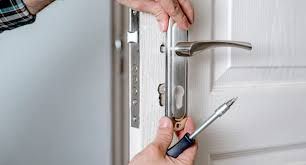
At A Glance
While a multipoint door lock is highly recommended, over time, they can begin to degrade
A failing multipoint door lock is a serious issue and one that needs to be addressed ASAP
Replacing a UPVC door lock mechanism is a task you can do without hiring a locksmith
Our step-by-step guide provides you with the steps needed to replace your faulty locks
Struggling to get the job done? Contact a locksmith for certainty and peace of mind
In the UK, over two hundred thousand burglaries were reported in the last year alone. A large number of burglaries take place because of poor-quality locks or lax home security. If you invite a criminal to try to break into your home, they are likely to take up the invitation. That’s why, at the very least, you need a reliable multipoint door lock mechanism in place. However, these locks can fail eventually.
When a multipoint door lock fails, you need to address the problem as soon as possible. Most of the time, replacing a lock is a job best left to a professional locksmith. If you wish to replace the lock yourself, our guide will help you get started. This step-by-step guide, informed by staff at Locksandhardware.co.uk, one of the UK’s leading specialists in door security, will help you to get started.
Identifying A Failing Multipoint Door Lock
The good news is that, unlike other lock types, a multipoint door lock is pretty easy to identify. When an issue emerges, it’s not likely to be easy to ignore! The main issues to look out for include:
- Your door has become misaligned; can you see gaps around the edges between the frame?
- Your door feels like it jams or sticks when it is being opened or closed, regardless of the weather
- The lock mechanism no longer catches and connects as it is supposed to
- The lock does not stay locked once the door has been successfully closed
- Door handles feel loose and do not return to their neutral position
Now, spotting one of these signs is a cause for concern. If you run into more than one of these issues, you need to address your multipoint door lock ASAP. How do you go about replacing your UPVC door lock mechanism?
Step-By-Step Multipoint Door Lock Replacement Guide
- First off, you are going to need at the very least an electric drill and, for tighter-fitted doors, a screwdriver. You should also use a tape measure and a spirit level to ensure accuracy in your finish.
- Open up your door so you can see the multipoint door lock in full. Take out the long-thread screws that are in the door’s face edge. Remove the cylinder screw that secures the cylinder.
- With both screws removed, remove the face of your door handles. Slip the spindle – the long piece of metal that runs from handle to handle – out the door. Remove the cylinder lock.
- Your old multipoint door lock should now be removable. Start near the top of the door and work your way down; the lock mechanism should be in one strip.
- Compare your new multipoint door lock with the old lock. Ensure they are the same size, thickness, and profile; all components and parts must match exactly.
- Create a marker on the new lock for where the old lock mechanism sits. If needed, mark the bottom strip to ensure everything aligns.
- Follow your markings created above and cut into them using a hacksaw. Remove any excess parts you do not need until your new multipoint door lock is the same size as the old one.
- Slide the new multipoint door lock into the door, using the slots from the old mechanism as your guide.
- Re-fit the Euro cylinder lock, the door spindle, and then the door handles. Once you confirm every part is accurately in place, tighten the screws and fixings to get the lock in place.
- Test your handiwork. Pull the handles up and then turn the key. If installed correctly, the handles will no longer push downward because the lock is properly fitted.
- Unlock the door again and then push down on the handles. Close the door over. Doing so should ‘unthrow’ the bolts in the multipoint door lock.
- In most cases, you will need to re-fit the striking plates. Remove the old striking plate from the middle plate for the latch and deadbolt.
- Replace the strike plates with the new strike plates that are for your new multipoint door lock. Fit them into the door one at a time, testing each one by lifting the handle & turning the key.
- With the strike plates all back into the correct position, test again by lifting the handle and then turning the key. If you have done this correctly, each lock mechanism should work properly.
Still having trouble? It might be worth going back to the start and doing this again. It can take a few attempts to correctly fit and install a multipoint door lock, so be patient. Especially if this is your first time, there can be confusion. It may be prudent to look for a video guide for the multipoint door lock model you purchased; you should be able to find one online or through the manufacturer.
Take your time. Test each step as you go. And never put up with any problems like stiff handles or locks that seem to be misaligned. You need every part of the multipoint door lock to work, from the handles to the multiple lock mechanisms.
Always Test Your UPVC Door Lock Mechanism Replacement!
With the above steps completed, you should now have a fully functional multipoint door lock. The old lock has been replaced, and you now have a sturdier, safer lock in place for your home.
Lastly, make sure that you carry out a thorough testing of your door over a period of days. Doors may slowly subside or shift in alignment, so test your door for several days after installation. Make sure everything is lined up properly; use a spirit level for peace of mind.
If you still aren’t happy with the door’s performance, contact a locksmith. You have tried to carry out a multipoint door lock replacement on your own, so props for trying. However, do not put your home security in the hands of a DIY job you are unhappy with; if you are ever uncertain, call the pros!