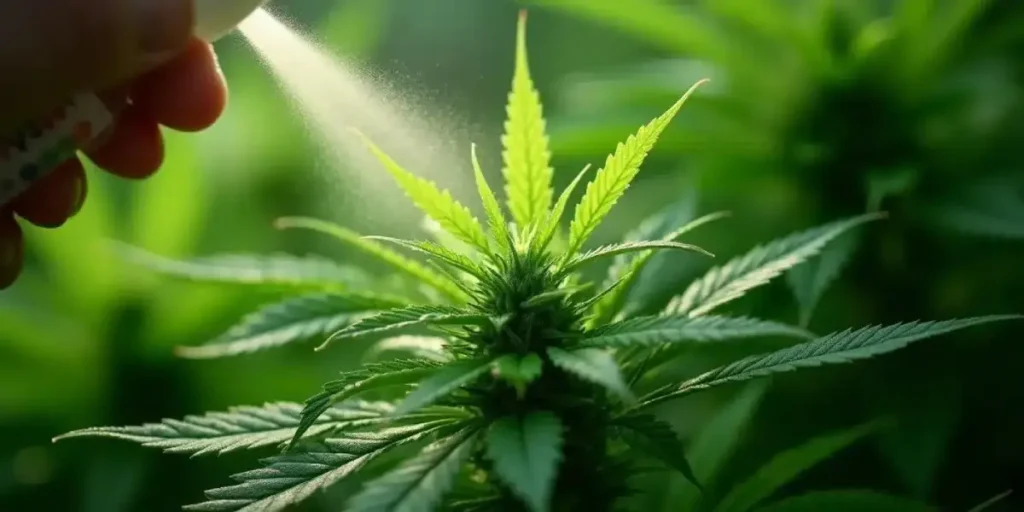
The cannabis industry continues to evolve as consumers pay closer attention to aroma, flavor, and overall product consistency. One topic that has gained attention among growers, processors, and enthusiasts is how to spray terpenes on cannabis flower correctly. Proper application methods can influence the final experience while helping maintain product quality and visual appeal.
Terpenes are aromatic compounds found naturally in cannabis and many other plants. They contribute to the scent and flavor profile of flower products. While cannabis naturally contains terpenes, some producers choose to enhance or restore terpene levels through carefully controlled spraying methods. Understanding the proper technique is important because too much product or uneven application can negatively affect the flower.
Why Proper Terpene Application Matters
Learning how to spray terpenes on cannabis flower is not simply about adding aroma. The process requires balance, timing, and precision. A properly sprayed flower should maintain its natural appearance while delivering a smooth and consistent scent profile.
Improper spraying techniques may lead to oversaturation, uneven coverage, or excessive moisture. This can reduce the visual quality of the flower and may impact storage stability. Proper application helps avoid these issues while creating a more refined product experience.
Many cannabis businesses also focus on consistency across batches. Controlled terpene application allows companies to maintain recognizable aroma profiles that consumers expect from specific strains or product lines.
Preparing the Cannabis Flower Before Spraying
Before beginning the spraying process, the flower should be properly dried and cured. Moisture balance is one of the most important factors in terpene application. A flower that is too dry may absorb the spray unevenly, while a flower with excess moisture may become overly saturated.
Clean working conditions are also essential. Dust, contamination, or poor airflow can interfere with terpene distribution. Many professionals use dedicated preparation spaces with controlled temperatures to help maintain product integrity.
The flowers should also be separated evenly before spraying. A clumped flower can prevent uniform application and create inconsistent aroma distribution throughout the batch.
Choosing the Right Equipment
An important part of understanding how to spray terpenes on cannabis flower involves selecting the correct equipment. Spray bottles, misting systems, and specialized terpene spray guns are commonly used depending on production scale.
For small batches, fine mist sprayers are often preferred because they provide greater control over application. Larger operations may rely on automated systems that distribute terpenes more evenly across multiple trays or rotating drums.
The key is achieving a light and consistent mist rather than soaking the flower. Fine particle distribution helps create a balanced coating without damaging the appearance or texture of the buds.
Applying Terpenes Evenly
Even the application is one of the most important parts of the process. When learning how to spray terpenes on cannabis flower, professionals often recommend applying terpenes gradually in multiple light passes instead of one heavy spray.
The flower should be rotated or gently mixed between applications to ensure consistent coverage. This helps prevent concentrated areas that may produce overpowering aromas.
Distance also matters during the application. Spraying too closely can create wet spots, while spraying from too far away may reduce accuracy. Maintaining a steady and moderate spraying distance allows for better control.
Many processors allow the flour to rest briefly between passes. This gives the terpenes time to settle and distribute naturally before additional application is added.
Post Application Handling
After spraying, the flower should be stored in a controlled environment to allow the terpenes to integrate properly. Proper airflow and temperature management are important during this stage.
Excessive heat or humidity may reduce terpene stability over time. Many producers use airtight storage methods combined with stable environmental conditions to preserve aroma quality.
Handling should also remain minimal after application. Excessive movement can damage trichomes and reduce the overall visual appeal of the product.
Conclusion
Understanding the proper technique for how to spray terpenes on cannabis flower requires attention to detail, product balance, and controlled application methods. From preparing the flower correctly to using proper spraying equipment, every step plays a role in achieving consistent aroma and quality.
As cannabis markets continue to grow, producers are placing greater emphasis on flavor customization and consumer experience. Businesses can keep up with quality standards and meet changing customer needs by using the right terpene application methods.