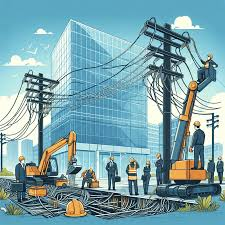
Every successful business relies on systems that work quietly in the background. While technology, equipment, and personnel often receive the most attention, electrical infrastructure remains one of the most important foundations of a productive and efficient workplace. From office buildings and retail centers to warehouses and manufacturing facilities, reliable electrical systems help businesses operate safely, minimize downtime, and prepare for future growth.
As commercial properties continue to adopt new technologies, energy-efficient equipment, and electric vehicle charging solutions, the demand for modern electrical systems has never been greater. Investing in commercial electrical infrastructure is no longer just about keeping the lights on—it’s about creating a resilient environment that supports long-term business success.
The Growing Demands on Commercial Electrical Systems
Today’s businesses use significantly more power than they did even a decade ago. Advanced computer networks, security systems, cloud-connected devices, automated equipment, and energy management technologies all require dependable electrical support.
Many older commercial buildings were designed for a different era of energy consumption. As organizations expand and modernize, existing electrical systems may struggle to keep pace with increased demand. This can lead to:
- Frequent circuit overloads
- Unexpected power interruptions
- Reduced equipment performance
- Higher maintenance costs
- Potential safety concerns
Upgrading electrical infrastructure helps eliminate these challenges while providing the capacity needed for future expansion.
Energy Efficiency Creates Long-Term Savings
One of the most compelling reasons businesses invest in electrical upgrades is improved energy efficiency. Modern electrical systems are designed to optimize power distribution and reduce waste.
Energy-efficient lighting solutions, upgraded electrical panels, smart controls, and automated building systems can significantly improve operational performance. These improvements often produce benefits such as:
Reduced Utility Costs
Efficient systems consume less electricity while delivering the same or better performance. Over time, lower energy consumption can create meaningful cost savings.
Improved Equipment Lifespan
Stable power distribution reduces strain on sensitive equipment. This can help extend the life of computers, machinery, lighting systems, and other valuable assets.
Better Sustainability Performance
Many organizations are actively working toward sustainability goals. Modern electrical systems can support renewable energy integration, EV charging stations, and other environmentally responsible initiatives.
Safety Should Never Be an Afterthought
Electrical safety remains one of the most important considerations for any commercial property. Outdated wiring, overloaded circuits, and aging electrical components can create serious risks if left unaddressed.
Regular inspections and strategic upgrades help ensure that businesses remain compliant with current electrical codes and safety standards. Proactive maintenance also reduces the likelihood of emergency repairs that can disrupt operations.
A well-designed commercial electrical system supports:
- Employee safety
- Customer safety
- Code compliance
- Fire prevention
- Reliable business continuity
Organizations that prioritize electrical safety often avoid costly disruptions and unexpected liabilities.
Supporting Business Growth and Expansion
Many businesses eventually outgrow the electrical capacity they originally required. New workstations, expanded production lines, additional equipment, and technology upgrades all increase power demands.
Planning for future growth is one of the smartest investments a business can make. Rather than waiting for capacity limitations to create operational challenges, forward-thinking organizations work with experienced professionals to develop scalable electrical solutions.
When evaluating future needs, businesses should consider:
- Anticipated equipment additions
- Facility expansions
- Increased employee counts
- Electric vehicle infrastructure
- Smart building technologies
- Backup power requirements
Having the right electrical foundation in place makes future upgrades far more efficient and cost-effective.
The Importance of Professional Commercial Electrical Expertise
Commercial electrical projects often involve complex systems that require specialized knowledge and experience. Unlike residential work, commercial installations must accommodate larger loads, more sophisticated equipment, and strict compliance requirements.
Whether a business is planning a renovation, expanding into a new facility, or upgrading existing infrastructure, working with qualified professionals can help ensure every component is designed and installed correctly.
For businesses evaluating electrical upgrades, consulting experienced commercial electricians from Avant Electric can provide valuable insight into system design, safety improvements, energy efficiency opportunities, and long-term infrastructure planning.
Professional guidance helps organizations identify potential issues before they become costly problems while ensuring projects are completed efficiently and in compliance with applicable regulations.
Preparing for Emerging Technologies
Commercial properties are rapidly evolving as new technologies become standard across industries. Smart building systems, advanced security platforms, energy monitoring tools, and EV charging stations are becoming increasingly common.
Businesses that proactively modernize their electrical systems are better positioned to adopt these innovations without requiring major infrastructure overhauls later.
Some of the most significant trends shaping commercial electrical needs include:
Electric Vehicle Charging
As EV adoption continues to grow, many businesses are adding charging stations for employees, customers, and fleet vehicles.
Smart Building Integration
Connected systems can improve energy management, security, lighting control, and operational efficiency.
Backup Power Solutions
Power outages can be costly. Backup generators and power management systems help maintain business continuity during disruptions.
Renewable Energy Adoption
Solar energy and battery storage technologies are becoming more accessible and attractive for commercial properties seeking long-term energy savings.
Conclusion
Electrical infrastructure is one of the most valuable assets within any commercial property. It supports daily operations, protects employees and equipment, improves efficiency, and enables future growth. While electrical systems may not always be visible, their impact on business performance is substantial.
Organizations that invest in modern commercial electrical solutions often benefit from improved reliability, enhanced safety, reduced operating costs, and greater flexibility for future expansion. By taking a proactive approach to electrical planning and maintenance, businesses can build a stronger foundation for long-term success in an increasingly technology-driven world.