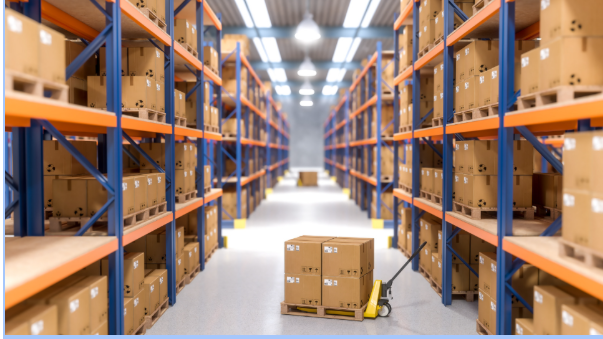
Achieving peak efficiency in an industrial storage environment requires a deep understanding of the mechanical forces acting upon specialized equipment. Facilities that handle heavy or oversized items must prioritize durability and load distribution to prevent structural failures and ensure worker safety. Selecting a high-quality structural cantilever rack provides a robust solution for storing long materials such as lumber, steel pipes, and heavy machinery components. These systems are engineered to withstand significant stress while maintaining an open face design for easy forklift access and inventory retrieval. By focusing on precision engineering and professional installation, businesses can optimize their warehouse footprint and improve the longevity of their storage assets. Expert oversight is essential for calculating the exact load requirements needed to maintain a safe and productive workplace.
Column Integrity and Load Distribution Mechanics
The performance of any heavy-duty storage system begins with the vertical columns and the base units that anchor them to the warehouse floor. Unlike standard racking, these systems rely on a single upright spine to support the entire weight of the inventory extending from the arms. High-grade structural steel is preferred over roll-formed options because it offers superior resistance to impact and heavy static loads without bending or warping. The thickness of the steel and the quality of the welds between the column and the base determine the overall stability of the unit. A professional installation ensures that the base is perfectly level and securely bolted to a reinforced concrete slab, which prevents the system from leaning or shifting under full capacity.
Load distribution is equally critical because the arms must be positioned at precise intervals to support the length of the stored materials. If the arms are too far apart, the material may sag or deflect, causing uneven pressure on the upright columns. Technicians use complex calculations to determine the exact number of arms needed based on the flexibility and weight of the product. This meticulous planning ensures that the center of gravity remains close to the column, which maximizes the structural safety of the entire assembly. When these mechanical factors are correctly addressed, the system operates with the reliability required for high-volume industrial environments.
Comparing Storage Architectures for Heavy Loads
Selecting the right framework for your facility involves evaluating how different designs interact with your specific inventory types and handling equipment. When analyzing the differences between cantilever racks vs traditional racks for industrial applications, the absence of front columns in the cantilever design offers a distinct advantage for bulky or long products. This open architecture allows for the seamless placement of items that would be impossible to fit into a standard pallet rack with restrictive vertical beams. However, this increased accessibility requires even greater attention to the structural grade of the steel used in the arms and uprights to compensate for the lack of a front support frame.
Professional installers verify that every connection is tightened to exact torque specifications to prevent mechanical fatigue over time. This level of technical precision is what allows a facility to scale its storage capacity without compromising on safety or operational speed. By choosing a system designed for high density and high weight, managers can reduce the footprint of their storage area while increasing the total volume of goods housed.
Conclusion
The performance of a structural storage system is the result of careful engineering, high-quality materials, and professional installation. By understanding the key factors of load distribution, steel grade, and mechanical stability, facility managers can create a storage environment that is both efficient and safe. While the initial setup requires a detailed technical assessment, the long-term benefits of reduced damage and increased capacity are undeniable. Ultimately, the integration of expert planning and superior structural components is what ensures a warehouse can meet the demands of a modern industrial supply chain. Consistent oversight and a commitment to quality remain the cornerstones of successful warehouse management for years to come.