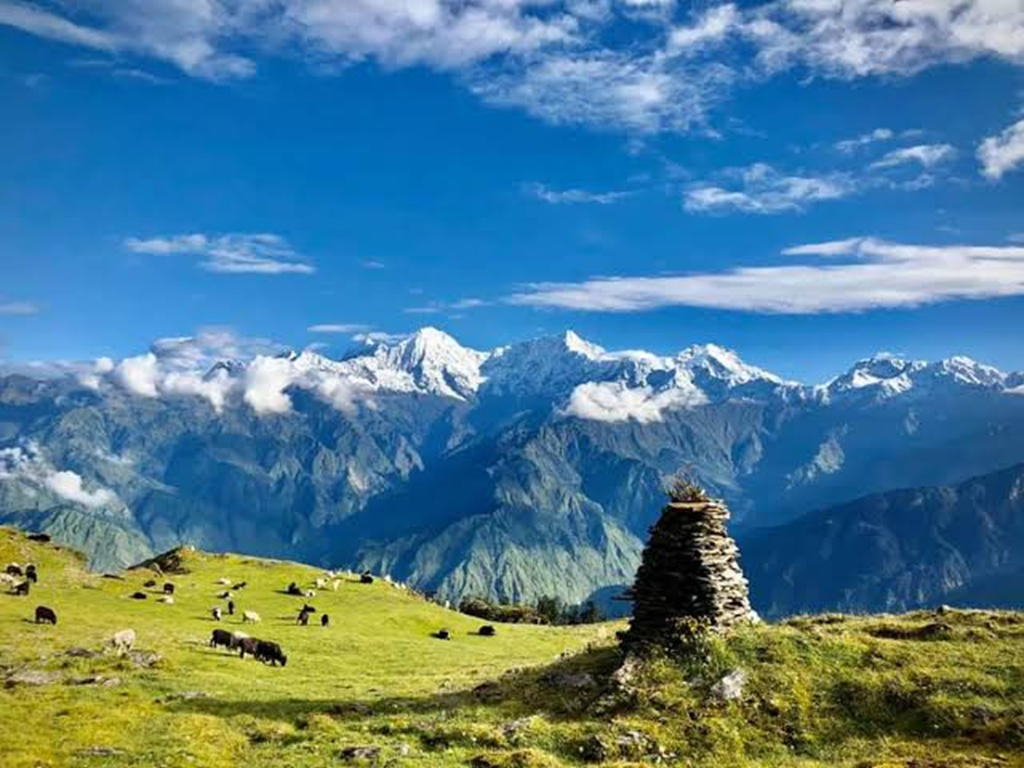
Nepal has no shortage of trekking routes, and that’s actually the problem. Everyone tells you Everest Base Camp is a must, Annapurna is a classic, and somewhere in between you’re supposed to figure out which trail actually fits your time, your legs, and what you’re hoping to get out of the trip. It gets confusing fast, especially once you start looking past the obvious names.
This article looks at four routes that don’t always make the “top 10” lists but each offer something genuinely distinct: the Langtang Valley Trek, the Nar Phu Valley Trek, the Gokyo Renjo La Pass Trek, and the Kanchenjunga Circuit Trek. They’re not interchangeable. One is a manageable introduction to the Himalayas, another drops you into Tibetan-influenced villages that see a fraction of the foot traffic, one takes you past turquoise glacial lakes on the way to a high pass near Everest, and the last is a long, remote wilderness journey that demands real commitment. By the end, you should have a clearer sense of which one actually suits you.
1. The Quick Difference: Which Trek Fits Your Travel Style?
Before getting into the details, it helps to see how these four routes stack up against each other at a glance.
The Langtang Valley Trek sits closest to Kathmandu and works well if you want a genuine Himalayan experience without needing three weeks off work. It’s scenic, culturally rich, and doesn’t demand expedition-level planning.
The Nar Phu Valley Trek pulls you into a much quieter corner of Nepal — narrow valleys, Tibetan-style villages, and landscapes that feel almost otherworldly in their starkness.
The Gokyo Renjo La Pass Trek takes you through the Everest region but via a different angle than the standard base camp route, past a chain of glacial lakes and over a genuinely tough high pass.
And the Kanchenjunga Circuit Trek is the long game — a wilderness route around the third-highest mountain on earth, built for people who have the time and the appetite for real remoteness.
None of these is objectively “the best.” The right one depends on what kind of trip you’re actually after, not which name sounds most impressive on Instagram.
2. Langtang Valley Trek: A Strong Choice for a Shorter Himalayan Adventure
What makes Langtang different?
The Langtang Valley sits north of Kathmandu, close enough that you can be on the trail within a day of leaving the city, yet it still delivers proper mountain scenery. You walk through dense forests, cross rivers, and gradually climb into open alpine terrain with views toward Langtang Lirung and the surrounding ridgelines. The villages along the way carry a strong Tamang cultural identity, and monasteries and prayer flags show up often enough that the cultural side of the trek never feels like an afterthought.
What sets Langtang apart from the more remote options is accessibility. You’re not flying into a tiny airstrip or arranging permits weeks in advance — it’s a relatively straightforward trek to organize, which is part of why it appeals to such a wide range of travelers.
Who is it best for?
This route makes a lot of sense for first-time Himalayan trekkers, people with limited vacation days, or anyone who wants a solid mix of nature and culture without signing up for a full expedition. That said, don’t mistake “shorter” for “easy.” You’re still gaining altitude, still walking for several hours a day, and still need reasonable fitness and a sensible pace.
3. Nar Phu Valley Trek: For Travelers Who Want Nepal’s Quieter Side
Why Nar Phu feels so different
Tucked away near the Annapurna region but restricted until relatively recently, Nar Phu has a completely different character. The villages here — Nar and Phu themselves — carry strong Tibetan influence in their architecture, religious practices, and daily life. You’ll walk past chortens and mani walls, through narrow gorges, and across landscapes that shift from barren cliffs to surprisingly green pockets. It doesn’t have the steady stream of trekkers you’d find on more established routes, and that absence changes the whole feel of the trip.
The challenge of going deeper into the mountains
Going into a less-developed area comes with trade-offs. Walking days tend to run longer, accommodation is more basic, and facilities you might take for granted elsewhere — reliable wifi, varied food menus — are thinner on the ground. Altitude is a real factor throughout, and the Kang La Pass is where the trek really tests you physically. Acclimatization days aren’t optional here; rushing this route is how people end up turning back early or, worse, dealing with altitude sickness. If remoteness and cultural depth matter more to you than convenience, this is where you’ll find it.
4. Gokyo Renjo La Pass Trek: High Lakes, High Pass and Everest Views
What makes this route special?
The Gokyo Renjo La Pass Trek runs through the Everest region but takes a quieter line than the standard base camp trail. The highlight is the Gokyo Lakes — a series of high-altitude lakes with that startling turquoise color glacial water tends to have — set within the wider Gokyo Valley. From viewpoints above the lakes, you get some of the best mountain panoramas in the entire region, arguably rivaling what you’d see from Everest Base Camp itself. The trek also passes through Sherpa villages, giving you a real sense of the culture that’s shaped this part of Nepal for generations.
Is it harder than a standard Everest trek?
It’s not necessarily “harder” in a blunt sense, but altitude is the defining challenge here. Renjo La Pass sits well above 5,000 meters, and crossing it requires solid acclimatization and a realistic pace — this isn’t a place to push through fatigue just to keep to a schedule. Physical fitness helps, sure, but how you manage altitude and rest days often matters more than raw stamina. People who train hard but ignore acclimatization guidelines tend to struggle more than those who are moderately fit but patient.
5. Kanchenjunga Circuit Trek: Nepal’s Long-Distance Wilderness Experience
Why choose Kanchenjunga?
Way out in eastern Nepal, far from the trekking hubs of Everest and Annapurna, the Kanchenjunga Circuit trek wraps around one of the most striking mountain massifs on the planet. The trails here stay remote for long stretches, cutting through everything from subtropical lower valleys to stark high-altitude terrain near the Tibetan border. Local communities along the route, including Rai and Limbu villages in the lower sections and more Tibetan-influenced settlements higher up, add a layer of cultural variety you don’t get on the busier circuits.
What should trekkers realistically expect?
This is a commitment, not a quick getaway. Expect a longer duration than any of the other three treks discussed here, genuinely remote conditions with fewer teahouses and less frequent resupply, and physically demanding days that add up over time. Planning needs to be careful — permits, acclimatization schedules, and proper support all matter more here because help isn’t as close at hand if something goes wrong. It’s a trek best suited to people who have the days to spare and who actually enjoy the isolation rather than tolerating it.
6. How the Four Treks Compare on the Things That Matter
| Trek | Best For | Main Character | Main Challenge |
| Langtang Valley Trek | Shorter Himalayan trip | Nature + culture | Altitude and daily walking |
| Nar Phu Valley Trek | Remote adventure | Culture + wilderness | Remoteness + high pass |
| Gokyo Renjo La Pass Trek | High-altitude scenery | Lakes + pass + Everest region | Altitude + Renjo La |
| Kanchenjunga Circuit Trek | Experienced trekkers | Wilderness + long journey | Duration + remoteness |
Difficulty isn’t just about how high you climb. Duration wears on you in a different way than altitude does, terrain quality changes how tiring each day feels, the availability of decent food and lodging affects your recovery, and weather can turn a manageable pass into a genuinely risky one. A shorter, lower trek in bad weather can feel harder than a longer one in good conditions — it’s worth keeping that in mind rather than judging a route purely by its highest point.
7. Choosing the Right Trek: A Simple Decision Guide
If your time is limited but you still want a proper Himalayan trek, Langtang is a sensible pick. If remote villages and landscapes most people never see appeal to you more than comfort, Nar Phu is worth the extra effort. If high mountain scenery, glacial lakes, and a serious pass crossing are what you’re chasing, Gokyo Renjo La delivers that. And if you want a longer, quieter wilderness journey and actually have the time for it, Kanchenjunga is the one.
Beyond the route itself, your own fitness, any previous trekking experience, how many days you can realistically take off, your comfort preferences, and your budget should all factor into the final call.
8. Practical Planning: When, How Long and What to Prepare
Best seasons. Spring and autumn are generally the most reliable windows for these regions, offering clearer skies and more stable conditions. High passes especially need decent weather, so routes involving Kang La or Renjo La deserve extra attention to seasonal timing before you commit to dates.
Duration and preparation. These four treks vary a lot in length, from around a week or ten days for Langtang up to several weeks for Kanchenjunga. Whichever you choose, build in some physical preparation beforehand, respect acclimatization days rather than skipping them to save time, wear broken-in footwear, layer your clothing for temperature swings, and stay on top of hydration and pacing rather than rushing. Get travel insurance that actually covers high-altitude trekking — not all policies do. And because permit rules and route access can shift, it’s worth checking current requirements close to your departure date rather than relying on older information.
9. Planning Your Nepal Trek With Local Support
Some trekkers prefer handling logistics themselves, but plenty find it easier to work with a local trekking company for route planning, permits, guides, accommodation coordination, and transport. This is especially true for the more remote routes like Nar Phu or Kanchenjunga, where local knowledge and support networks genuinely make a difference. Action Nepal Treks is one option worth considering if you’re comparing organized trekking services in Nepal, alongside whatever other operators you look into.
10. Final Takeaway: The Best Trek Is the One That Matches You
These four routes aren’t really substitutes for one another — they’re built for different kinds of trips. Langtang gives you an accessible, balanced introduction to the Himalayas. Nar Phu offers remoteness and a distinct cultural world. Gokyo Renjo La combines high-altitude lakes, a demanding pass, and some of the best mountain views in the Everest region. Kanchenjunga is the long, remote wilderness option for those with time to spare.
In the end, the right choice comes down to your available time, your experience level, your fitness, the kind of scenery that actually excites you, and how much remoteness you’re genuinely comfortable with — not which trek has the most impressive-sounding name.
FAQ Section
1. Which of these four Nepal treks is best for beginners?
Langtang is generally the most approachable, given its shorter duration and easier access. That said, decent fitness and sensible altitude management still matter.
2. Is the Nar Phu Valley Trek harder than the Langtang Valley Trek?
Yes, generally. Nar Phu involves more remoteness, higher altitude sections, and the demanding Kang La Pass, making it tougher overall.
3. What is special about the Gokyo Renjo La Pass Trek?
It combines the striking Gokyo Lakes with a challenging high pass and some of the best panoramic views in the Everest region.
4. Is the Kanchenjunga Circuit Trek suitable for first-time trekkers?
Not usually. Its length, remoteness, altitude, and logistical demands make it better suited to trekkers with prior high-altitude experience.
5. Which trek offers the most remote experience?
Both Nar Phu and Kanchenjunga are remote, but Kanchenjunga’s longer duration and eastern location typically make it the more isolated of the two.
6. Do I need a guide for these Nepal trekking routes?
Requirements vary by region and can change over time, so check current regulations before departure rather than assuming past rules still apply.
7. What is the best time to trek in these regions?
Spring and autumn offer the most stable weather overall. High-pass routes need extra caution around seasonal timing and conditions.
8. How should I choose between these four treks?
Weigh your available time, fitness, trekking experience, tolerance for remoteness, and the type of scenery you’re most drawn to.