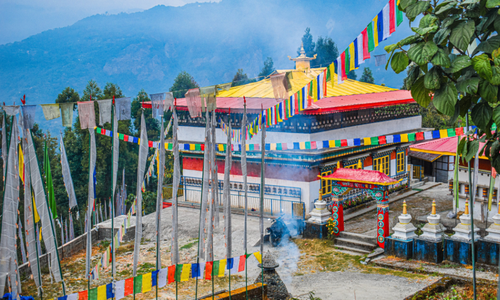
Nestled in the northern reaches of India, the Eastern Himalayas are a breathtaking tapestry of towering peaks, lush valleys, and vibrant cultures. This captivating region, often overshadowed by its more famous western counterparts, is a treasure trove for adventurers, nature lovers, and those seeking a deeper connection with age-old traditions. From the majestic landscapes of Arunachal Pradesh to the serene monasteries of Sikkim, the Eastern Himalayas offer a unique blend of natural beauty and spiritual richness. In this article, we will explore the best that this enchanting region has to offer, from thrilling outdoor activities and culinary delights to the rich cultural heritage that makes the Eastern Himalayas a must-visit destination.
Many travelers choose Sikkim Tour Packages to explore the region’s breathtaking mountains, vibrant culture, and unforgettable Himalayan experiences.
The Enchantment of the Eastern Himalayas
Overview of the Region’s Natural Beauty
- The region stretches across parts of Sikkim, Arunachal Pradesh, northern West Bengal, Bhutan, and eastern Nepal.
- Numerous glacial lakes and pristine rivers originate from these mountains.
Historical Significance and Mythology
- Many mountains, lakes, and caves are considered sacred by local communities.
- Ancient trade routes connected Tibet with the Indian subcontinent through these mountains.
- Buddhist monks established monasteries in remote areas centuries ago, helping preserve cultural traditions.
- Local folklore often features guardian deities believed to protect villages and mountain passes.
Top Destinations for Adventure Seekers
Must-Visit Towns and Villages
Adventure seekers will find no shortage of charming towns and villages that serve as gateways to thrilling experiences. Think of places like Darjeeling, with its famous tea plantations and Victorian charm, or Pelling, a quaint town with jaw-dropping views of the Himalayas. Don’t miss Manang with its stunning landscapes, or Kalimpong, where every turn unveils vibrant flowers and a tapestry of cultures. Each destination has a unique story and offers a friendly nod to adventure-laden days ahead.
- Tawang is renowned for its magnificent monastery and breathtaking mountain scenery.
- Yuksom in Sikkim serves as the starting point for several famous treks.
Popular Adventure Activities
Once you’ve picked your base camp, get ready for an adrenaline-packed itinerary! Trekking through breathtaking trails, paragliding over verdant landscapes, and white-water rafting in roaring rivers are just the tip of the iceberg. For those with a penchant for altitude, rock climbing and mountaineering are challenging yet rewarding pursuits. And if you’re not one for physical exertion, how about some horseback riding through tranquil forests? Adventure in the Eastern Himalayas is more than just a hobby; it’s practically a lifestyle!
- Mountain biking trails attract cycling enthusiasts from around the world.
- Camping under star-filled skies offers a memorable wilderness experience.
Cultural Riches: Festivals and Traditions
Major Festivals Celebrated in the Region
The vibrancy of the Eastern Himalayas shines bright through its colorful festivals. From the heart-pounding dances of Losar, celebrating the Tibetan New Year, to the mesmerizing Tihar, where lights and joy illuminate the darkest nights, these events are a true cultural feast. Witness traditional rituals that honor nature, food, and community, like the Bumchu Festival in Sikkim, which draws pilgrims and tourists alike to partake in its mystique. Each celebration is a delightful reminder of the region’s rich heritage and the spirit of its people.
- Saga Dawa commemorates important events in the life of Buddha.
- Pang Lhabsol in Sikkim celebrates the guardian deity of Mount Kanchenjunga.
Traditional Arts and Crafts
Artistry thrives in the Eastern Himalayas, where traditional crafts tell stories as old as the mountains themselves. Local artisans whip up intricate thangka paintings, weaving colorful narratives of Tibetan Buddhism, while skilled weavers create beautiful shawls and carpets that capture the region’s essence. Pottery, woodcrafts, and handmade jewelry also abound, making for perfect souvenirs that are more than just trinkets—they’re little slices of culture that can be held in your hands.
- Bamboo and cane products showcase the creativity of local artisans.
- Handmade paper and traditional masks are important cultural crafts.
Flora and Fauna: Biodiversity of the Region
Unique Plant Species
The biodiversity of the Eastern Himalayas is nothing short of extraordinary, boasting a treasure trove of unique plant species. From towering rhododendrons draping the hills in vibrant colors to the elusive Blue Poppy—the national flower of Bhutan—this region is a botanical wonderland. Rare orchids, medicinal herbs, and lush green forests create a perfect backdrop for nature lovers to explore. With over 4,500 types of flowering plants, it’s like Mother Nature threw a never-ending garden party!
- Magnolias, orchids, and ferns thrive in the region’s varied climates.
- Seasonal blooms attract botanists and nature enthusiasts alike.
Wildlife Conservation Efforts
Amidst its rich biodiversity, the Eastern Himalayas also face environmental challenges, making wildlife conservation efforts vital. Numerous protected areas, like the Kanchenjunga National Park, serve as sanctuaries for species like the endangered snow leopard and red panda. Local communities and organizations are working tirelessly to preserve these natural habitats and promote sustainable tourism. So, while you’re sipping that delightful cup of tea, know that your part of a movement—every visit supports the balance of life in this enchanting region! Trekking Trails: Paths Less Traveled
- Eco-tourism initiatives help generate income while preserving habitats.
- Wildlife corridors are being developed to support animal migration.
Trekking Trails: Paths Less Traveled
Beginner-Friendly Treks
If you’re new to trekking and your legs are more suited for sofa surfing than mountain climbing, fear not! The Eastern Himalayas offer a variety of gentle hikes that will have you sipping tea at breathtaking viewpoints without turning you into a pretzel. Trails like the Kalimpong Ridge Trek provide stunning vistas with a touch of challenge but keep it manageable. Grab your walking stick, lace up those sneakers, and prepare for some Insta-worthy snapshots without the intense cardio!
- Day hikes around villages provide opportunities to experience local culture.
- Trails through forests and tea gardens offer scenic and accessible routes.
Challenging Routes for Experienced Hikers
For the seasoned trekkers who consider a mountain a mere warm-up, the Eastern Himalayas present a plethora of thrilling challenges. The Everest Base Camp trek is a must for those who like their scenery with a side of adrenaline. Meanwhile, the Goechala trek in Sikkim offers jaw-dropping panoramas and the chance to make your friends envious with tales of high-altitude glory. Just remember, you’re not training for the Olympics—pacing yourself is key, unless you like gasping for breath and talking to your knees.
- High-altitude expeditions reward trekkers with spectacular panoramic views.
- Remote trails pass through untouched wilderness and alpine meadows.
Culinary Delights: A Taste of the Himalayas
Traditional Dishes to Try
Embarking on a culinary adventure in the Eastern Himalayas is essential for any food-loving traveler. Don’t leave without savoring momos—those delightful steamed dumplings that might just make you forget your love for pizza. Another must-try is thukpa, a hearty noodle soup that feels like a warm hug on a chilly night. And if you’re feeling brave (or just really hungry), hop on the street food bandwagon with some spicy chatpate; it’s a flavor explosion that may leave you reaching for a glass of water!
- Gundruk, fermented leafy greens, is a staple in many Himalayan households.
- Sel Roti is a popular festive delicacy enjoyed during celebrations.
- Chhurpi, a traditional cheese, is commonly consumed throughout the region.
- Butter tea remains an important part of local hospitality.
Local Ingredients and Cooking Techniques
The secret to the delectable dishes in the Eastern Himalayas lies in the local ingredients and traditional cooking methods. From the robust flavors of fresh herbs like coriander and mint to the earthy taste of Yak meat, every bite tells a story of the region’s rich culture. Cooking is often done over open flames, infusing dishes with a smoky depth that you simply can’t replicate at home. Dive into a cooking class to learn the art of making that perfect dal bhat, and impress your friends with your newfound culinary wizardry when you return!
- Organic farming practices contribute to the freshness of local produce.
- Wild herbs and mountain spices add distinctive flavors to traditional dishes.
Sustainable Tourism: Protecting the Magic
Community-Based Tourism Initiatives
In an era when “sustainable” is not just a buzzword but a lifestyle, the Eastern Himalayas are embracing community-based tourism initiatives that empower locals and protect their rich cultural heritage. By opting for home-stays and local guides, you’re not just a tourist; you’re a part of the community. Plus, you’ll get to enjoy authentic experiences, like participating in traditional festivals or learning about sustainable farming practices. It’s a win-win: you get to explore, and the community gets to thrive!
- Homestay programs provide visitors with authentic cultural experiences.
- Tourism revenue helps support local schools and infrastructure projects.
Environmental Conservation Practices
With great mountain views comes great responsibility. The Eastern Himalayas are home to fragile ecosystems, and it’s crucial to tread lightly. Initiatives like eco-friendly trekking and waste management programs are in full swing, encouraging travelers to leave nothing but footprints. Many local organizations offer education on conservation and ways to minimize your carbon footprint while exploring. So, go ahead and take that selfie with the majestic mountains, just remember to pack out what you pack in!
- Trekking groups are encouraged to follow “Leave No Trace” principles.
- Reusable water bottles help reduce plastic waste in remote areas.
Tips for Travelers: Preparing for Your Journey
Best Time to Visit
Timing is everything, especially when it comes to the Eastern Himalayas. The best months to visit are typically from March to June and September to November. During these windows, the weather is more forgiving, skies are clear, and the views are Instagram gold. Summer monsoons can turn trails into slip-and-slide adventures, while winter can turn you into a human popsicle. Plan wisely, and your journey will be less about dodging rain and more about enjoying the magic!
- Spring offers blooming flowers and pleasant trekking conditions.
- Autumn provides clear mountain views and stable weather.
- Winter is ideal for travelers seeking snow-covered landscapes.
- Monsoon season reveals lush greenery but can affect transportation.
Essential Packing List
Packing for the Eastern Himalayas can feel like preparing for an expedition to Mars—only with fewer aliens and more tea. Essential items include sturdy trekking boots (your feet will thank you), a lightweight waterproof jacket (to fend off unexpected showers), and a cozy fleece for those chilly evenings. Don’t forget a reusable water bottle to help you stay hydrated while being eco-friendly! And, of course, always pack a little snack—because who doesn’t love trail mix?
- Sunscreen and sunglasses are important due to strong mountain sunlight.
- Power banks are useful in remote areas with limited electricity.
- Trekking poles can improve stability on challenging trails.
- A camera or smartphone is essential for capturing scenic landscapes.
Local Etiquette and Customs
When visiting the Eastern Himalayas, it’s essential to embrace the local culture and customs. Greet locals with a warm “Namaste” and try to respect their traditions, especially during religious ceremonies. When offered food or drink, it’s polite to accept—it’s part of the charm! Also, be mindful of your clothing, especially in rural areas. Modesty is key, so leave the shorts and tank tops for the privacy of your hotel room. Respecting local customs will enrich your experience and may just earn you a few new friends along the way! As our journey through the Eastern Himalayas comes to a close, it becomes clear that this region is more than just a destination; it is a vibrant tapestry of experiences waiting to be explored. Whether you are drawn by the allure of adventure, the richness of culture, or the tranquility of nature, the Eastern Himalayas have something to offer every traveler. By embracing the magic of this stunning landscape and its welcoming communities, you not only enrich your own life but also contribute to the preservation of its unique heritage. So pack your bags and embark on an unforgettable adventure in a land where mountains meet magic.
- Always seek permission before photographing local people.
- Remove shoes before entering monasteries and temples.
- Respect wildlife and avoid disturbing natural habitats.
- Learning a few local greetings can enhance interactions with residents.
Conclusion
As our journey through the Eastern Himalayas comes to a close, it becomes clear that this region is a treasure trove of unforgettable experiences. Whether you’re exploring ancient monasteries, trekking through alpine landscapes, or discovering vibrant local cultures, the region offers something for every traveler. From carefully curated featuring Gangtok, Pelling, and Yumthang Valley to scenic Darjeeling Tour Packages showcasing tea gardens and stunning Himalayan views, visitors can enjoy a truly magical mountain escape. Pack your bags and embark on an unforgettable adventure where nature, culture, and spirituality come together in perfect harmony.
FAQs
- What is the best time to visit the Eastern Himalayas?
The best time to visit the Eastern Himalayas is generally from March to June and September to November, when the weather is mild, and the skies are clear, making it ideal for trekking and sightseeing.
- Are there any specific health precautions I should take before traveling?
It is advisable to consult with a healthcare provider regarding altitude sickness, vaccinations, and any necessary medications before traveling to higher altitudes in the Eastern Himalayas.
- What should I pack for a trip to the Eastern Himalayas?
Pack layered clothing, trekking gear, a good pair of hiking boots, a first-aid kit, and any personal medications. Don’t forget essentials like a reusable water bottle and toiletries.
- Is it safe to travel alone in the Eastern Himalayas?
Traveling alone in the Eastern Himalayas can be safe, but it’s important to take standard precautions, stay informed about your surroundings, and consider joining guided tours or groups for added safety.