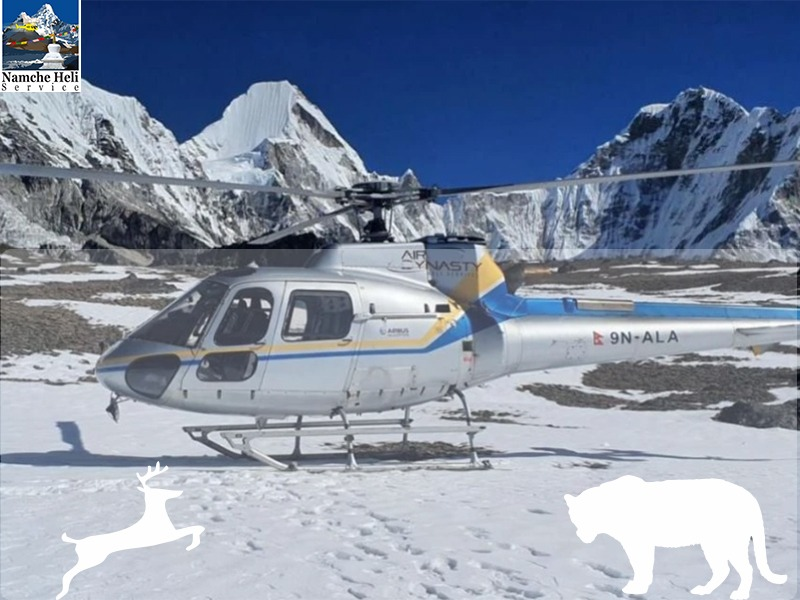
Seeing Everest Base Camp doesn’t automatically mean two weeks on a dusty trail with a backpack digging into your shoulders. That surprises a lot of people who start researching this trip. You’ve got real choices here — you can walk the whole way through the Khumbu Valley, you can book an Everest Base Camp helicopter tour and be back in Kathmandu in time for dinner, or you can split the difference and trek in one direction while flying out the other. None of these is the “correct” answer for everyone. What works depends on how many vacation days you actually have, your fitness level, how your body handles altitude, and honestly, what kind of story you want to tell when you get home. This article walks through all three paths honestly, without pretending one is obviously better than the rest.
Everest Base Camp Helicopter Tour vs Trek: The Main Difference
Helicopter Tour: Everest Without the Long Trek
A helicopter trip typically launches from Kathmandu, cuts across the hills, and puts you in the heart of the Khumbu region in a fraction of the time it takes on foot. You get sweeping views of the Himalayan range through the window — ridgelines, glaciers, terraced villages shrinking below you — and you cover in an hour or two what would otherwise take days of walking. The catch is that you’re mostly seeing Everest from above, not from inside the valley. Landing time near Base Camp itself depends on weather, air traffic at the helipads, and aviation rules that operators have to follow regardless of what a brochure promises. Still, for someone with five or six days in Nepal, not two weeks, this is often the only realistic way to get anywhere near Everest at all.
Trek: Everest as a Journey, Not Just a Destination
Walking in is a different animal entirely. You pass through Sherpa villages, cross swinging suspension bridges over glacial rivers, and stop for dal bhat in tea houses that have been feeding trekkers for generations. Namche Bazaar and Tengboche aren’t just checkpoints — they’re where the culture actually lives. Your body also gets days to adjust to thinning air instead of being thrown into it, which matters more than most first-timers realize. An Everest helicopter tour skips nearly all of this. The trek doesn’t.
Quick Comparison: Helicopter or Trek?
| Factor | Helicopter | Trek |
| Time required | Much shorter | Usually around two weeks or more depending on itinerary |
| Physical effort | Low walking requirement | High |
| Altitude exposure | Shorter exposure | Several days at altitude |
| Scenery | Aerial + selected ground views | Continuous trail scenery |
| Cultural experience | Limited | Much deeper |
| Budget | Higher per traveler | Usually lower than a private helicopter experience |
| Flexibility | Strongly affected by weather | Also weather-dependent, but more route options |
| Best for | Time-limited travelers | Adventure and trekking enthusiasts |
No option wins across the board, and that’s really the point. A helicopter saves you time but takes away the slow build-up that makes the trek memorable for a lot of people. Trekking gives you that depth but demands weeks you might not have and a level of physical readiness that not everyone wants to commit to.
What Is the Everest Base Camp Helicopter Experience Really Like?
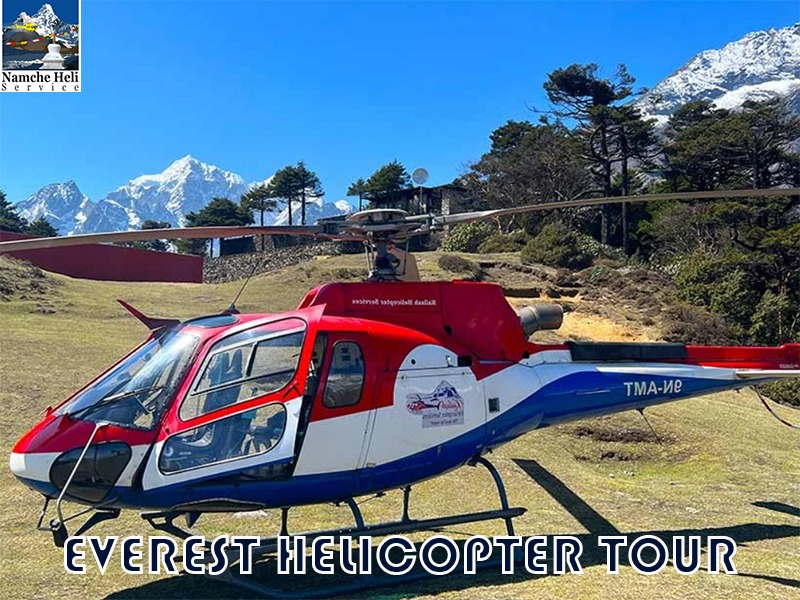
Typical Flight Experience
Most flights leave from Kathmandu, or sometimes from a closer staging point depending on the operator, and climb straight into mountain terrain that would otherwise take a week to reach on foot. The Himalayas open up beneath you fast — first the green hills around the Kathmandu valley, then bare ridges, then ice and rock. Whether the aircraft actually lands near Base Camp, or circles and heads to a nearby viewpoint instead, comes down to weather and operational conditions on that particular day. It’s worth knowing upfront that “helicopter tour” doesn’t automatically mean unlimited time standing at Base Camp taking photos. Some itineraries include a landing stop; others are built more around the flight itself.
What You Actually See
From the air you’ll typically get Mount Everest itself, the Khumbu Glacier snaking down through the valley, the Base Camp area, and on clear days the Kala Patthar ridge that trekkers usually climb for sunrise views. The whole Khumbu Valley spreads out below in a way you simply don’t get on the ground — trekking shows you the trail in front of your feet, while flying shows you the shape of the entire region at once. Different perspective, different kind of memory.
What Is the Everest Base Camp Trek Really Like?
The Route Experience
The classic route runs Lukla to Phakding, then up to Namche Bazaar, on to Tengboche, Dingboche, Lobuche, Gorak Shep, and finally Everest Base Camp. Each stretch feels genuinely different — the forested lower trail near Phakding barely resembles the stark, wind-scoured landscape around Lobuche. It’s not one long uniform slog; the scenery, the air, even the food available in tea houses shifts as you climb.
Why Trekking Feels Different
You’re not just passing through villages, you’re staying in them, eating in them, talking to the Sherpa families who run the lodges. Suspension bridges strung with prayer flags, monasteries perched on hillsides, mountains that look small on day one and enormous by day eight — it accumulates. The acclimatization days built into most itineraries aren’t wasted time either; your body needs them, and honestly the short hikes on those rest days are often some of the best views of the whole trip. Yes, there’s fatigue, sore knees, the occasional bad night’s sleep at altitude. That physical grind is part of why people come back from this trek talking about it differently than any other holiday they’ve taken.
Everest Base Camp Trek with Helicopter Return
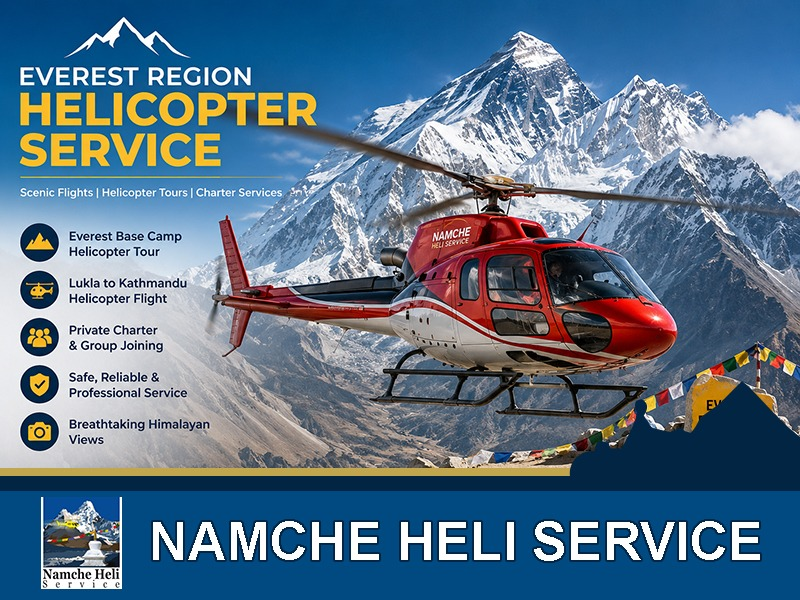
This is the option a lot of returning travelers wish they’d known about the first time. The idea is simple: you trek in on foot exactly as you would on a full itinerary, walking through Namche, Tengboche, and the higher villages, reaching the Everest Base Camp Trek with Helicopter Return route’s turnaround point — then instead of retracing eight or nine days back down to Lukla, you fly out by helicopter instead.
You still get the slow immersion on the way up, the acclimatization, the sense of earning the view. What you skip is the descent, which frankly a lot of trekkers find more painful on the knees than the climb itself. This suits people who are reasonably fit but working with a tighter schedule, or who just don’t fancy repeating the same trail in reverse. It’s also a nice way to combine both perspectives — ground-level immersion followed by that wide aerial view on the way home. One thing worth repeating here: the helicopter portion is still subject to weather and flight conditions, so it’s sensible to build a little slack into your plans rather than assuming a fixed departure time.
Time, Fitness and Altitude: Which Option Fits You?
Choose helicopter if your Nepal trip is short, you’re not up for multi-day trekking, and what you really want is the Himalayan scenery and a look at Everest without the physical commitment.
Choose trekking if long-distance hiking genuinely appeals to you, you want the cultural side of the Khumbu, and gradual acclimatization matters to you as much as the destination itself.
Choose the helicopter return option if you want several days on the trail and the satisfaction of reaching Base Camp on foot, but you’d rather not spend the same number of days walking back down.
One thing worth being honest about: low fitness doesn’t mean altitude stops being a factor. Flying quickly to high elevation can actually be harder on the body than a gradual walk up, precisely because there’s no time to adjust. Anyone considering the helicopter option should still take altitude seriously and follow the guidance of their operator or a medical professional rather than assuming a short visit is automatically risk-free.
Cost, Value and What You Are Actually Paying For
Prices shift by season and operator, so rather than throwing out numbers that won’t stay accurate for long, it’s more useful to look at what each option is actually charging you for.
With a helicopter, you’re paying for the aircraft itself — either a private charter or a shared seat — plus any landing or airport-related fees, ground transfers, and whatever guiding or extras come bundled into the package. Prices swing with the season and how much demand there is for flights that week.
With a trek, the costs are spread across guide and porter fees, tea house accommodation, meals along the route, transport to and from Lukla, the permits required to enter the region, insurance, and your own gear. It adds up differently — smaller amounts over more days, rather than one large payment for a few hours in the air.
Broadly, helicopter travel costs more per traveler because you’re paying for speed and aviation logistics rather than time. That’s not a knock on either option, just the trade-off.
Weather, Flight Delays and Practical Risks
This is the part travelers underestimate the most. Mountain weather in the Khumbu can turn in under an hour — clear skies at 8am, cloud sitting in the valley by 10. Helicopter flights get delayed, rescheduled, sometimes cancelled outright, because visibility isn’t optional for aviation safety. If you’re booking a helicopter tour or a return flight, build real buffer time into your Nepal itinerary. Don’t schedule your international flight home for the same afternoon as your helicopter transfer — that’s a recipe for a stressful, expensive scramble.
Trekking isn’t immune to this either. Flights in and out of Lukla, one of the more famously weather-sensitive airstrips anywhere, get disrupted regularly, and that can throw off the start or end of a walking itinerary too. Whichever route you take, make sure your travel insurance actually covers trekking at altitude and emergency evacuation if your policy includes it — don’t assume a standard travel policy has you covered up there.
Lukla to Kathmandu Helicopter: When Does It Make Sense?
After finishing the trek, plenty of people opt for a Lukla to Kathmandu helicopter transfer instead of waiting around for a scheduled fixed-wing flight, especially when the weather has already caused delays and seats are getting scarce. It can save real time compared to sitting in Lukla hoping for a flight window to open. That said, it’s still weather-dependent and subject to the same operational limits as any other mountain flight — it’s not a guaranteed shortcut, just a faster option when conditions allow. Worth noting too: a dedicated Lukla-Kathmandu transfer is a different product from a scenic Everest sightseeing flight, even though both use the same type of aircraft. If you’re booking one, keep your schedule flexible rather than cutting it close before an international departure.
Namche Heli: A Useful Option for Travelers Comparing Everest Experiences
You’ll likely come across the term Namche Heli while researching helicopter-based Everest trips — it refers to helicopter operations connected to the Namche Bazaar area, one of the more common reference points in the region. It’s worth knowing the name exists, but the bigger decision still comes down to the same trade-offs covered throughout this piece: time, fitness, and what kind of Everest experience you actually want.
Which Everest Experience Is Better for You?
Choose the helicopter tour if time is your real constraint and what you want most is to see Everest from the air without committing to days of walking.
Choose the full trek if you want the entire Khumbu journey — the villages, the culture, the gradual climb, and the payoff of reaching Base Camp under your own steam.
Choose trek plus helicopter return if you want the emotional weight of trekking in without spending an equal number of days trekking back out.
The honest answer here isn’t about which option is fastest or most expensive. It’s about matching the trip to your actual time, your physical preparation, and what you’re hoping to feel when you get there.
Practical Booking Checklist Before You Choose
Before locking anything in, it helps to check a few things: what’s actually included in the package, the exact departure and return points, how the operator handles weather-related delays, luggage limits, whether landing or sightseeing time is guaranteed or conditional, and what your insurance actually covers. Keep spare time before any international flight home. If you’re trekking, confirm your permits, guide arrangements, and how many acclimatization days are built into the itinerary. And always ask the operator directly what happens if a helicopter flight simply can’t fly that day — a good outfitter will have a clear answer, not a vague one.
Final Thoughts: Choose the Everest Story You Actually Want
At the end of the day, a helicopter gets you speed, an aerial view, and convenience you can’t get any other way. Trekking gets you immersion, a physical challenge worth being proud of, and a much closer look at the culture that makes this region what it is. Trek with helicopter return gives you a bit of both without asking you to choose entirely. None of these is a wrong decision — it just depends on what you’re actually after. Compare a few itineraries, ask operators directly about weather contingencies and what’s included, and pick the version of Everest that fits your schedule and your legs. A quick conversation with a trekking operator about your specific dates and fitness level will usually tell you more than any generic price comparison ever could.
FAQs
1. Is Everest Base Camp better by helicopter or trekking? It depends on what you’re optimizing for. If time is tight, helicopter wins. If you want the cultural depth, physical challenge, and gradual acclimatization, trekking is the better choice. Budget and altitude tolerance factor in too — there’s no single right answer.
2. How long does an Everest Base Camp helicopter tour take? It varies by itinerary, weather on the day, and whether the flight plan includes a landing stop near Base Camp or focuses mainly on the aerial views. Always confirm the specific plan with your operator rather than assuming a fixed duration.
3. Can I trek to Everest Base Camp and return by helicopter? Yes — this is the Everest Base Camp Trek with Helicopter Return option. You trek in on foot and fly out instead of walking the descent. Flight availability still depends on weather and operational conditions, so build in some flexibility.
4. Is the Everest Base Camp helicopter tour safe? Operators fly under regulated aviation standards and generally have experienced pilots familiar with mountain conditions, but weather limitations are real and non-negotiable. Treat any mountain flight as conditional on the day’s conditions rather than a guaranteed schedule.
5. Can I take a helicopter from Lukla to Kathmandu after the trek? Yes, a Lukla to Kathmandu Helicopter transfer is a common option after finishing the trek, particularly when scheduled flights are delayed. It’s faster than waiting for a fixed-wing seat but still weather-dependent, so keep your onward travel plans flexible.
6. Which is cheaper, Everest Base Camp trekking or a helicopter tour? Trekking is generally the more affordable route since costs are spread across guiding, accommodation, meals, and permits over multiple days. Helicopter travel carries a higher per-traveler cost because you’re paying for aircraft time and aviation logistics rather than d
Contact Details
Namche Heli Service
Namche Bazzar, Solukhumbu, Nepal
(Branch Office :Kathmandu Naya Bazar)
Phone +977-985-2850192 (WhatsApp)
Email: [email protected]
URL: www.namcheheli.com