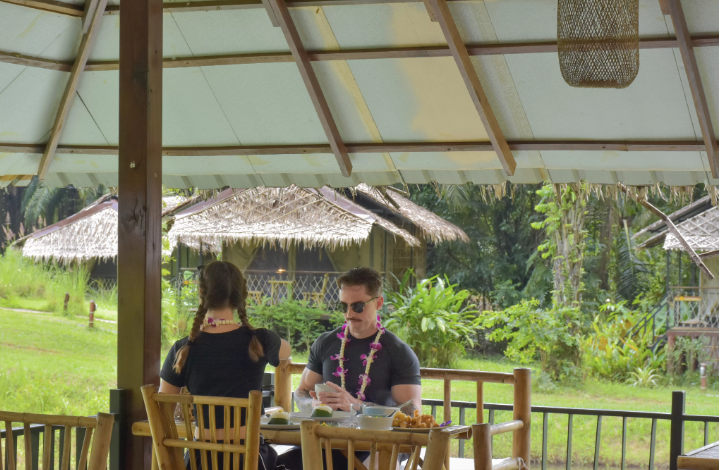
Thailand’s southern rainforest offers a different experience from the country’s busy beaches and cities. Khao Sok National Park brings together limestone cliffs, dense jungle, winding rivers, and a vast freshwater lake. The setting feels remote, yet visitors can reach it from several popular travel hubs.
A visit here is less about checking off attractions and more about spending time outdoors. You might wake to gibbon calls, paddle along a quiet river, or watch mist lift from the lake. Understanding the area’s layout and daily rhythms helps you plan a trip that matches your interests.
What Makes This Rainforest Different?
Khao Sok lies in Surat Thani Province, between the Andaman coast and the Gulf of Thailand. The protected landscape forms part of a larger forest complex that supports diverse plants and animals. Its dramatic limestone formations rise above thick vegetation, creating scenery unlike Thailand’s flatter coastal forests.
The rainforest has a long geological and ecological history, although claims about its exact age often oversimplify the science. Ancient rock formations and rich biodiversity make the area especially interesting. Visitors will notice towering trees, tangled vines, bamboo, and plants adapted to the humid environment.
The forest also transforms throughout the day. Morning light filters through the canopy gradually, while afternoon rain can strike unexpectedly. These changes influence the experience more than any fixed sightseeing schedule, especially during Khao Sok and Cheow Lan Lake tours.
Understanding the Two Main Areas
Many first-time visitors assume the jungle village and the famous lake sit beside each other. In reality, they are separate destinations connected by road. Planning around this distinction prevents rushed transfers and missed activities.
The Village and Jungle Entrance
Khao Sok village sits near the main park entrance and serves as a convenient base for forest activities. Small guesthouses, restaurants, and tour operators line the road through the settlement. The atmosphere is relaxed, with most businesses catering to people heading into the jungle.
From here, visitors can arrange guided walks, canoe trips, and other local activities. Some accommodations offer riverside settings, while others sit closer to the village center. Staying two nights gives you time to explore without spending most of your visit in transit.
Cheow Lan Lake
Cheow Lan Lake lies roughly an hour’s drive from the village, depending on your starting point and road conditions. The reservoir was created by the construction of Ratchaprapha Dam in the 1980s. Today, its emerald water and steep limestone cliffs form one of southern Thailand’s most recognizable landscapes.
Longtail boats carry visitors across the lake to floating accommodations and activity areas. The journey itself is a major part of the experience. Cliffs rise directly from the water, and narrow inlets lead into quiet sections surrounded by forest.
What a Typical Day Actually Feels Like
After more than 18 years working with travellers in Khao Sok… the most useful advice is to leave room for the rainforest’s changing conditions. A well-planned day balances activities with time to enjoy the surroundings. Weather, wildlife, and water levels can all affect the schedule.
A jungle day often begins early, when temperatures are cooler and animals may be more active. You might walk with a guide, return for lunch, and spend the afternoon canoeing or relaxing beside the river. Evening brings a different atmosphere as insects, frogs, and other nocturnal animals become active.
Lake trips follow another rhythm. Boats usually depart from the pier and travel to floating accommodations, where guests can swim, kayak, or join guided excursions. Many overnight packages include meals and scheduled activities, but the exact arrangements vary by operator.
Wildlife: What You May See and What You Probably Won’t
The forest supports a wide range of wildlife, including gibbons, macaques, hornbills, reptiles, and many insect species. Elephants and other large mammals also live within the wider protected landscape. However, dense vegetation makes sightings unpredictable, especially for larger animals.
Gibbons are often easier to hear than see. Their calls can travel through the forest in the morning, while hornbills may appear high above the canopy. A knowledgeable guide can identify animal sounds, tracks, and signs that most visitors would overlook.
Avoid treating wildlife encounters as guaranteed attractions. Keep a respectful distance, never feed wild animals, and follow your guide’s instructions. Quiet observation usually creates a better experience than trying to approach animals for photographs.
Choosing the Right Jungle Activities
Guided Forest Walks
A guided walk is one of the best ways to understand the rainforest. Guides can explain plant uses, animal behavior, and the relationships between different species. They also know which routes are suitable for current conditions.
Trail difficulty varies, so ask about distance, elevation, and expected duration before booking. Some routes involve muddy ground, stream crossings, or steep sections. Wear shoes with good grip and carry enough drinking water.
Canoeing and River Time
Canoe trips offer a slower view of the landscape. Limestone walls, overhanging trees, and small riverside communities create a peaceful setting. Depending on the route and season, you may see birds, monkeys, or snakes resting in branches.
Water levels affect river activities, and operators may change or cancel trips after heavy rain. Listen to safety instructions and wear the provided life jacket. Swimming is best limited to places your guide confirms are safe.
Night Walks
A night walk reveals a side of the forest that daytime visitors rarely notice. Guides use flashlights to search for insects, frogs, spiders, and other nocturnal creatures. The experience focuses on small discoveries rather than dramatic wildlife encounters.
Wear long pants and closed shoes, and bring a light rain jacket. Stay with your guide and avoid touching unfamiliar plants or animals. The forest can be slippery and difficult to navigate after dark.
Is an Overnight Lake Stay Worth It?
An overnight stay on Cheow Lan Lake offers more time to experience the setting after day-trip boats leave. Floating bungalows range from simple rooms with shared facilities to more comfortable accommodations. Electricity, private bathrooms, and phone reception vary considerably.
The main appeal is the quiet. Guests can watch the cliffs change color, swim near their accommodation where permitted, or kayak through nearby inlets. Early morning boat trips may offer opportunities to hear gibbons and observe birds along the shoreline.
A day trip remains a good option if your schedule or budget is limited. However, it involves several hours of road and boat travel. Staying overnight makes the journey feel less rushed and allows more time for the lake itself.
When to Visit and How to Prepare
The region stays warm and humid throughout the year, with rainfall possible in every season. Conditions are generally drier from roughly December through April, while the wetter months bring fuller rivers and lush vegetation. Weather patterns vary, so no month guarantees clear skies.
Rain does not necessarily ruin a visit. Short showers can create beautiful mist and cooler walking conditions. Heavy rain, however, may affect trails, boat trips, and cave access, so keep your plans flexible.
Pack lightweight clothing, insect repellent, sunscreen, and a reusable water bottle. A dry bag protects electronics during boat trips and sudden showers. Bring some cash because smaller businesses and remote accommodations may not accept cards.
Getting There and Planning Your Time
Visitors commonly reach the area from Phuket, Krabi, Surat Thani, or Khao Lak. Travel times depend on the route, traffic, and whether you use a private transfer or shared transport. Confirm your accommodation’s exact location before booking, especially if you are heading directly to the lake.
Three days and two nights provide a comfortable introduction. You could spend one night near the jungle entrance and another on the lake. With four or five days, you can add longer walks, river activities, and more time to relax.
Book lake accommodations ahead during busy periods, particularly if you want a specific comfort level. Ask what your package includes, such as park fees, boat transfers, meals, and guided activities. Clear details help you compare options without unexpected costs.
A More Rewarding Way to Experience Khao Sok
Khao Sok National Park rewards visitors who approach it with curiosity and realistic expectations. The rainforest is humid, wildlife is unpredictable, and rain may change your plans. Those same qualities make the experience feel connected to a living natural environment.
For travellers seeking a balance of adventure and quiet, combining the jungle village with an overnight lake stay offers the fullest introduction. Choose responsible local guides, allow enough time between destinations, and prepare for changing conditions. You will leave with a deeper understanding of the forest rather than just a collection of scenic photographs.
Thailand’s southern rainforest offers a different experience from the country’s busy beaches and cities. Khao Sok National Park brings together limestone cliffs, dense jungle, winding rivers, and a vast freshwater lake. The setting feels remote, yet visitors can reach it from several popular travel hubs.
A visit here is less about checking off attractions and more about spending time outdoors. You might wake to gibbon calls, paddle along a quiet river, or watch mist lift from the lake. Understanding the area’s layout and daily rhythms helps you plan a trip that matches your interests.
What Makes This Rainforest Different?
Khao Sok lies in Surat Thani Province, between the Andaman coast and the Gulf of Thailand. The protected landscape forms part of a larger forest complex that supports diverse plants and animals. Its dramatic limestone formations rise above thick vegetation, creating scenery unlike Thailand’s flatter coastal forests.
The rainforest has a long geological and ecological history, although claims about its exact age often oversimplify the science. Ancient rock formations and rich biodiversity make the area especially interesting. Visitors will notice towering trees, tangled vines, bamboo, and plants adapted to the humid environment.
The forest also transforms throughout the day. Morning light filters through the canopy gradually, while afternoon rain can strike unexpectedly. These changes influence the experience more than any fixed sightseeing schedule, especially during Khao Sok and Cheow Lan Lake tours.
Understanding the Two Main Areas
Many first-time visitors assume the jungle village and the famous lake sit beside each other. In reality, they are separate destinations connected by road. Planning around this distinction prevents rushed transfers and missed activities.
The Village and Jungle Entrance
Khao Sok village sits near the main park entrance and serves as a convenient base for forest activities. Small guesthouses, restaurants, and tour operators line the road through the settlement. The atmosphere is relaxed, with most businesses catering to people heading into the jungle.
From here, visitors can arrange guided walks, canoe trips, and other local activities. Some accommodations offer riverside settings, while others sit closer to the village center. Staying two nights gives you time to explore without spending most of your visit in transit.
Cheow Lan Lake
Cheow Lan Lake lies roughly an hour’s drive from the village, depending on your starting point and road conditions. The reservoir was created by the construction of Ratchaprapha Dam in the 1980s. Today, its emerald water and steep limestone cliffs form one of southern Thailand’s most recognizable landscapes.
Longtail boats carry visitors across the lake to floating accommodations and activity areas. The journey itself is a major part of the experience. Cliffs rise directly from the water, and narrow inlets lead into quiet sections surrounded by forest.
What a Typical Day Actually Feels Like
After more than 18 years working with travellers in Khao Sok… the most useful advice is to leave room for the rainforest’s changing conditions. A well-planned day balances activities with time to enjoy the surroundings. Weather, wildlife, and water levels can all affect the schedule.
A jungle day often begins early, when temperatures are cooler and animals may be more active. You might walk with a guide, return for lunch, and spend the afternoon canoeing or relaxing beside the river. Evening brings a different atmosphere as insects, frogs, and other nocturnal animals become active.
Lake trips follow another rhythm. Boats usually depart from the pier and travel to floating accommodations, where guests can swim, kayak, or join guided excursions. Many overnight packages include meals and scheduled activities, but the exact arrangements vary by operator.
Wildlife: What You May See and What You Probably Won’t
The forest supports a wide range of wildlife, including gibbons, macaques, hornbills, reptiles, and many insect species. Elephants and other large mammals also live within the wider protected landscape. However, dense vegetation makes sightings unpredictable, especially for larger animals.
Gibbons are often easier to hear than see. Their calls can travel through the forest in the morning, while hornbills may appear high above the canopy. A knowledgeable guide can identify animal sounds, tracks, and signs that most visitors would overlook.
Avoid treating wildlife encounters as guaranteed attractions. Keep a respectful distance, never feed wild animals, and follow your guide’s instructions. Quiet observation usually creates a better experience than trying to approach animals for photographs.
Choosing the Right Jungle Activities
Guided Forest Walks
A guided walk is one of the best ways to understand the rainforest. Guides can explain plant uses, animal behavior, and the relationships between different species. They also know which routes are suitable for current conditions.
Trail difficulty varies, so ask about distance, elevation, and expected duration before booking. Some routes involve muddy ground, stream crossings, or steep sections. Wear shoes with good grip and carry enough drinking water.
Canoeing and River Time
Canoe trips offer a slower view of the landscape. Limestone walls, overhanging trees, and small riverside communities create a peaceful setting. Depending on the route and season, you may see birds, monkeys, or snakes resting in branches.
Water levels affect river activities, and operators may change or cancel trips after heavy rain. Listen to safety instructions and wear the provided life jacket. Swimming is best limited to places your guide confirms are safe.
Night Walks
A night walk reveals a side of the forest that daytime visitors rarely notice. Guides use flashlights to search for insects, frogs, spiders, and other nocturnal creatures. The experience focuses on small discoveries rather than dramatic wildlife encounters.
Wear long pants and closed shoes, and bring a light rain jacket. Stay with your guide and avoid touching unfamiliar plants or animals. The forest can be slippery and difficult to navigate after dark.
Is an Overnight Lake Stay Worth It?
An overnight stay on Cheow Lan Lake offers more time to experience the setting after day-trip boats leave. Floating bungalows range from simple rooms with shared facilities to more comfortable accommodations. Electricity, private bathrooms, and phone reception vary considerably.
The main appeal is the quiet. Guests can watch the cliffs change color, swim near their accommodation where permitted, or kayak through nearby inlets. Early morning boat trips may offer opportunities to hear gibbons and observe birds along the shoreline.
A day trip remains a good option if your schedule or budget is limited. However, it involves several hours of road and boat travel. Staying overnight makes the journey feel less rushed and allows more time for the lake itself.
When to Visit and How to Prepare
The region stays warm and humid throughout the year, with rainfall possible in every season. Conditions are generally drier from roughly December through April, while the wetter months bring fuller rivers and lush vegetation. Weather patterns vary, so no month guarantees clear skies.
Rain does not necessarily ruin a visit. Short showers can create beautiful mist and cooler walking conditions. Heavy rain, however, may affect trails, boat trips, and cave access, so keep your plans flexible.
Pack lightweight clothing, insect repellent, sunscreen, and a reusable water bottle. A dry bag protects electronics during boat trips and sudden showers. Bring some cash because smaller businesses and remote accommodations may not accept cards.
Getting There and Planning Your Time
Visitors commonly reach the area from Phuket, Krabi, Surat Thani, or Khao Lak. Travel times depend on the route, traffic, and whether you use a private transfer or shared transport. Confirm your accommodation’s exact location before booking, especially if you are heading directly to the lake.
Three days and two nights provide a comfortable introduction. You could spend one night near the jungle entrance and another on the lake. With four or five days, you can add longer walks, river activities, and more time to relax.
Book lake accommodations ahead during busy periods, particularly if you want a specific comfort level. Ask what your package includes, such as park fees, boat transfers, meals, and guided activities. Clear details help you compare options without unexpected costs.
A More Rewarding Way to Experience Khao Sok
Khao Sok National Park rewards visitors who approach it with curiosity and realistic expectations. The rainforest is humid, wildlife is unpredictable, and rain may change your plans. Those same qualities make the experience feel connected to a living natural environment.
For travellers seeking a balance of adventure and quiet, combining the jungle village with an overnight lake stay offers the fullest introduction. Choose responsible local guides, allow enough time between destinations, and prepare for changing conditions. You will leave with a deeper understanding of the forest rather than just a collection of scenic photographs.