Choosing the right tablet for creative work involves more than simply looking at screen size. Artists, designers, illustrators, and content creators often need a combination of display quality, pen responsiveness, portability, and convenient controls. A 14 inch tablet can provide a practical balance between workspace and portability, making it suitable for people who want enough room for detailed work without carrying a large display.
However, not every device in this size category offers the same experience. Resolution, panel technology, color performance, and physical design can all affect how comfortable and efficient a creative workflow becomes. For users comparing a best 14 inch drawing tablet, understanding these specifications can make the selection process easier.
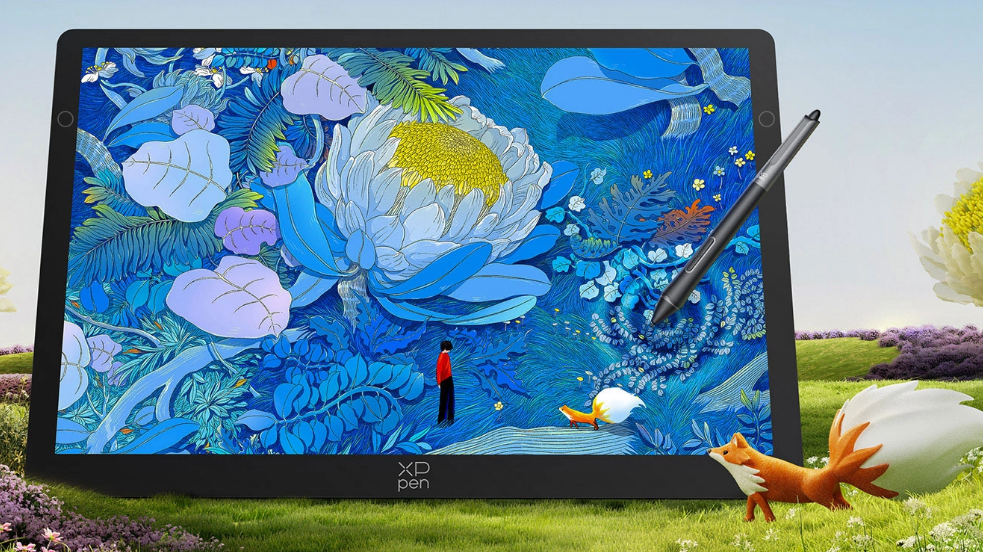
Why Does Tablet Size Matter for Creative Work?
Screen size has a direct influence on how much information can be displayed at once. A smaller tablet may be convenient for basic tasks, but artists working on detailed illustrations can find themselves zooming and panning frequently.
A 14 inch tablet offers additional space for the canvas while still keeping the overall device relatively manageable. This can be useful when working with drawing applications that include multiple toolbars, layer panels, color palettes, and reference windows.
The extra screen area can also make small interface elements easier to access. Instead of repeatedly switching between tools or hiding panels to create more workspace, users can often keep more controls visible alongside the main canvas.
At the same time, a 14-inch format is not excessively large. It can fit into many creative workspaces without taking up as much room as a full-size monitor, making it a flexible option for both home and professional environments.
Which Display Specifications Matter Most?
When choosing a 14 inch tablet, screen size should only be the starting point. For creative applications, several technical specifications deserve closer attention.
Resolution
A display’s resolution directly affects the level of detail and sharpness visible on the screen. A higher-resolution screen can make fine lines, textures, and small design elements appear sharper.
For digital artists, this can be particularly useful when working on detailed illustrations or high-resolution images. A 2.8K display, for example, provides considerably more visual detail than a standard Full HD panel while maintaining the same general screen size.
OLED Technology
Panel technology can also influence the overall viewing experience. OLED displays are known for strong contrast and deep blacks, which can make colors and details appear more distinct.
For artists who frequently work with dark backgrounds, dramatic illustrations, or high-contrast compositions, an OLED panel can provide a more immersive visual experience.
Color Gamut
Color reproduction is another important consideration. A display with a wide color gamut can reproduce a broader range of colors, allowing creators to see more subtle variations within their artwork.
For professional illustration and graphic design, coverage of color spaces such as Adobe RGB can be especially relevant. Wider color coverage can help creators work with more precise and vibrant color palettes.
Color Depth
Color depth determines how many colors a display can represent and can influence the smoothness of transitions between shades.
Higher native color depth is useful for digital painting, photo editing, and other tasks where subtle gradients are common. Smooth transitions can help reduce visible banding and make tonal changes appear more natural.
How Important Is Portability?
A creative display can offer excellent performance, but its usefulness may be limited if it is difficult to move. Many creators work in more than one location, such as at home, in a studio, at school, or while traveling.
This is where a 14 inch tablet can offer an advantage. The screen provides a reasonably large workspace while remaining more portable than many larger drawing displays.
An ultra-slim design can further improve portability. A thinner device takes up less room in a backpack and can be easier to set up on smaller desks or temporary workspaces.
For creators who frequently change locations, portability can become an important part of the overall workflow rather than simply a convenience.
What Can a Modern 14-Inch Creative Display Offer?
The development of modern display technology has made it possible to combine a relatively portable form factor with features designed for professional creative work. The XPPen Artist Ultra 14 is one example, bringing together a high-resolution OLED display, color-focused specifications, and controls designed around digital creation.
Its main features include:
· 2.8K OLED Display: Provides sharp visual details and strong contrast for a more immersive drawing experience.
· Native 10-bit Color Depth: Supports smoother color transitions and more delicate gradients.
· 99% Adobe RGB Color Gamut: Provides broad color coverage for presenting detailed and vibrant artwork.
· Ultra-Slim Design: Keeps the display portable and convenient to carry between different creative environments.
· Dual Stylus Support: Gives creators greater flexibility when switching between different drawing tools.
· X-Touch Solution: Provides intuitive one-handed control for navigating and adjusting the canvas.
For artists considering a 14 inch tablet, these features demonstrate how display quality and physical design can work together. Instead of focusing solely on screen dimensions, users can evaluate the complete creative experience, including visual clarity, color performance, pen flexibility, and control options.
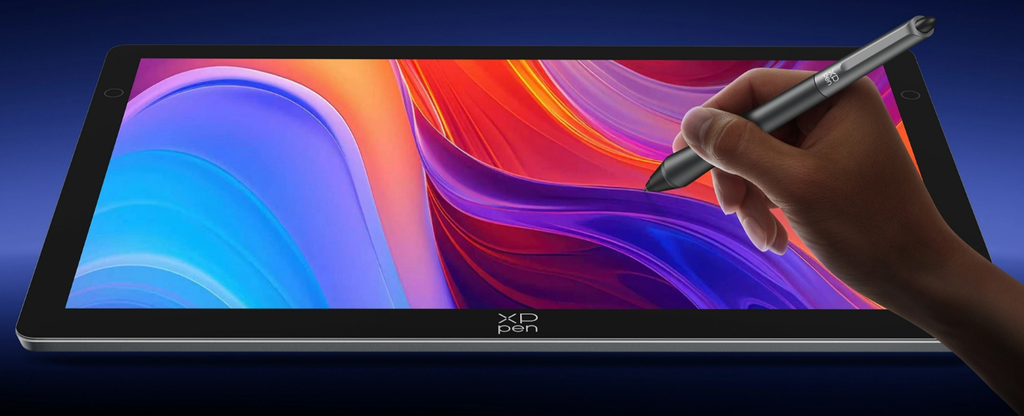
How Does a Larger Canvas Affect Your Workflow?
A 14 inch tablet can provide a more comfortable working area for creators who regularly handle detailed projects. Having more room on the screen means artists can keep a larger portion of the canvas visible while still accessing commonly used tools.
For example, an illustrator may need to view the overall composition while refining individual elements. With a reasonably large display, it becomes easier to maintain a broader view of the artwork without constantly zooming out to check the composition.
Graphic designers can also benefit when working with layouts containing multiple elements. More screen space can make it easier to compare different design components and maintain an overview of the project.
The benefits are not limited to professional work. Students learning digital art can also find a larger workspace more comfortable when practicing drawing techniques or completing assignments.
What Should You Consider Before Buying?
Before choosing a 14 inch tablet, it is helpful to consider how the device will fit into your actual workflow rather than focusing on specifications alone.
1. Consider your main creative tasks.
Think about whether you mainly draw, paint, edit photographs, create layouts, or perform several types of work. Different tasks can place different demands on the display.
2. Pay attention to display quality.
Resolution, OLED technology, color gamut, and color depth can all influence the final viewing and editing experience.
3. Check the pen experience.
For drawing and illustration, stylus responsiveness and control are important. A comfortable pen can make long creative sessions easier.
4. Think about portability.
If you frequently work outside a fixed studio, consider the thickness, weight, and overall design of the device.
5. Look at additional controls.
Shortcut buttons, touch controls, or one-handed navigation features can help reduce interruptions during creative work.
6. Consider your available workspace.
A 14 inch tablet should fit comfortably into your existing desk setup while still providing the screen area you need.
Final Thoughts
Selecting a 14 inch tablet for creative work requires looking beyond screen dimensions. Resolution, OLED technology, color gamut, color depth, stylus performance, portability, and control features can all contribute to a better experience.
For creators who want a combination of workspace and mobility, the 14-inch format can be a practical choice. Modern devices can now offer high-resolution displays and professional color capabilities while maintaining slim, portable designs.
Whether you are a professional illustrator, graphic designer, student, or hobby artist, evaluating your own workflow is the best way to determine which features matter most. With the right combination of screen quality, pen control, and portability, a 14 inch tablet can become a flexible tool for both everyday creativity and more demanding visual projects.