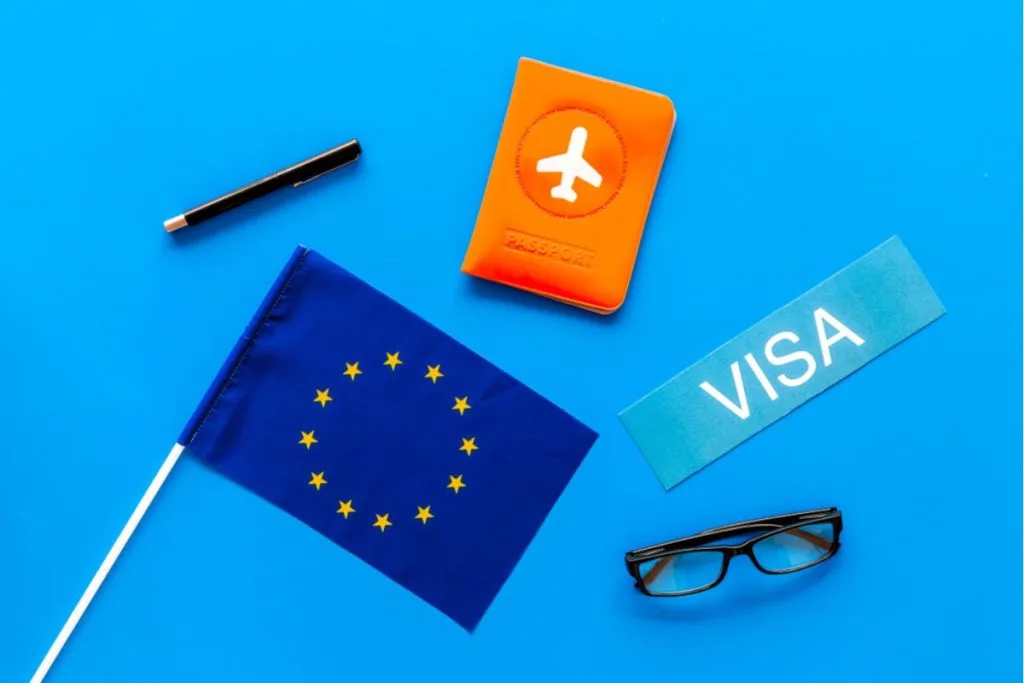
A journey through Europe can introduce travellers to centuries of history, remarkable architecture, diverse cuisines, and unforgettable cultural experiences. From enjoying the canals of Amsterdam to discovering the historic landmarks of Austria and the vibrant streets of Portugal, every destination offers something different. Before arranging flights and accommodation, however, travellers should understand the entry requirements for their chosen countries. Finding reliable guidance from a Europe or Schengen Visa Agent can help applicants navigate the paperwork, understand the application procedure, and prepare for their journey more confidently.
Visa preparation is an important part of international travel because requirements depend on nationality, destination, travel purpose, and intended length of stay. Some travellers need a short-stay Schengen visa, while others may qualify for visa-free entry or require a separate national visa. Understanding these differences before making commitments can save time and help you organize a practical travel plan.
Discover Which European Visa Matches Your Travel Goals
The first step in preparing for a European trip is identifying the permission required for your intended activities. The Schengen Area includes many European countries that follow common rules for short-term visits, but it does not include every country geographically located in Europe.
A Schengen short-stay visa is commonly used by eligible non-EU nationals travelling for tourism, visiting family or friends, or undertaking certain business activities. It generally permits stays of up to 90 days within any 180-day period, subject to the conditions of the visa granted.
Travellers planning to study for an extended period, take up employment, or establish long-term residence usually need to investigate other immigration routes. Some countries outside the Schengen Area also maintain their own entry requirements, so an authorization for one destination should never be assumed to cover every European country.
Before choosing your visa category, consider the following:
- Your nationality and current country of residence.
- The primary purpose of your journey.
- The countries you intend to visit.
- Your expected arrival and departure dates.
- Whether you plan to enter the Schengen Area once or multiple times.
These details help establish which rules apply and where your application should be submitted.
Build a Travel Itinerary That Reflects Your Actual Plans
A well-organized itinerary helps you plan transportation, accommodation, sightseeing, and the time spent in each destination. It also provides a consistent overview of your proposed journey when preparing a visa application.
For example, someone planning a two-week holiday across Germany and France should determine how many days they intend to spend in each country before completing the application. If the trip includes several Schengen countries, the application generally belongs with the country that represents the main destination, based on the purpose or length of stay. If there is no identifiable main destination and the time is equally divided, the country of first entry generally determines where to apply.
Keep Your Travel Arrangements Consistent
Travel details should make sense as a complete plan. Accommodation dates should correspond with your intended stay, and the proposed route should allow reasonable time to travel between destinations.
Avoid creating an itinerary simply to satisfy paperwork requirements. Your application should reflect a genuine journey that you intend to undertake.
Consider Destinations Outside the Schengen Area
A European holiday may also include destinations that operate separate immigration systems. Depending on your nationality, visiting countries such as the United Kingdom or Ireland may require an additional visa or travel authorization.
Check each destination’s official entry rules before finalizing your itinerary. This is particularly important when travelling through several countries during one holiday.
Prepare the Evidence Needed for Your Application
Supporting documentation helps the relevant authorities assess your application against the applicable requirements. The exact checklist varies according to the destination country, the applicant’s circumstances, and the purpose of travel.
Common documents may include:
- A valid passport that meets the relevant validity and issuance requirements.
- A completed visa application form and the required photograph.
- Evidence of accommodation and planned travel arrangements.
- Financial documents showing how the trip will be funded.
- Travel medical insurance meeting the applicable Schengen conditions.
- Employment, business, or educational records where relevant.
- Documents explaining the purpose of the visit, such as an invitation when appropriate.
- Additional evidence required by the responsible embassy or consulate.
Applicants should ensure that their information is accurate and that supporting records are consistent with their declared circumstances.
Financial evidence deserves particular attention. Rather than focusing only on the amount in a bank account, applicants should ensure that their documents provide a credible picture of their financial situation and ability to cover the proposed journey.
Similarly, applicants who are employed or operate a business may provide relevant records to explain their professional circumstances. The most useful evidence is the information that genuinely supports the application and meets the official requirements.
How a Europe Visa Consultant Can Help You Prepare
Visa procedures may seem complicated when travellers must compare requirements, arrange documents, and determine which application centre or consulate is responsible for their case. Professional assistance can provide structure and help applicants understand what they need to do.
GIEC Global offers visa assistance for individuals exploring travel opportunities in Europe. Depending on the service arranged, applicants may seek guidance on understanding visa categories, organizing supporting documentation, reviewing travel plans, and preparing application information.
A consultant may also help identify questions that require clarification before submission. However, applicants should remain involved throughout the process, verify all information, and understand the details being submitted in their name.
When selecting a service provider, ask about the scope of assistance, professional credentials where relevant, and all associated fees. No private agent can guarantee visa approval or influence the final decision of an embassy or consulate.
For the most accurate information, applicants should check the official immigration guidance issued by the country responsible for processing their application.
Mistakes That Can Disrupt Your European Travel Plans
Small oversights can create unnecessary complications during the visa process. Identifying potential problems early allows travellers to correct them before submitting their applications.
Leaving Documentation Until the Last Minute
Obtaining financial statements, employment letters, translations, and appointment availability can take time. Begin collecting your documents well before your intended departure and check the official application timeline.
Overlooking Insurance Conditions
Schengen visa applicants who require travel medical insurance must ensure that their policy satisfies the relevant requirements. Check the coverage, geographical validity, and duration before purchasing a policy.
Providing Conflicting Travel Information
Differences between application forms, accommodation details, financial records, and travel dates can create questions. Review the information carefully and explain genuine discrepancies where necessary.
Assuming Every European Country Follows the Same Rules
The Schengen Area and Europe are not interchangeable terms. Confirm the entry requirements for every country on your itinerary, including any destination that operates a separate visa system.
Making Non-Refundable Bookings Too Early
A visa decision is not guaranteed, even when an application appears complete. Where possible, consider flexible travel arrangements and avoid significant non-refundable commitments before receiving the necessary permission.
What to Expect After Submitting Your Application
After completing the application and providing the required documents, applicants may need to attend an appointment to submit biometric information, depending on the applicable procedure and their circumstances.
The processing period varies according to the application, the season, and whether additional checks or documents are required. Applicants should monitor official communications and respond to requests within the specified deadlines.
If the visa is granted, check the details carefully, including its validity dates, permitted duration of stay, number of entries, and any applicable conditions. A visa’s validity period does not necessarily mean that you can remain in the Schengen Area for that entire period.
If an application is refused, review the decision and its explanation before deciding whether to appeal or submit a new application. The available options depend on the relevant rules and the reasons for refusal.
Begin Your European Journey With Better Preparation
A rewarding European holiday starts with thoughtful planning and a clear understanding of the immigration requirements. By selecting the appropriate visa category, preparing a realistic itinerary, and organizing genuine supporting documents, travellers can approach the application process in a more structured way.
For people who need additional guidance, GIEC Global provides visa assistance for individuals planning to visit Europe. Exploring professional support may help you understand the preparation process and identify the steps relevant to your circumstances.
Before applying, confirm the current requirements for your nationality and destinations, check the official instructions, and allow sufficient time for the necessary arrangements. With careful preparation and realistic expectations, you can focus on planning the experiences that make your European trip worthwhile.