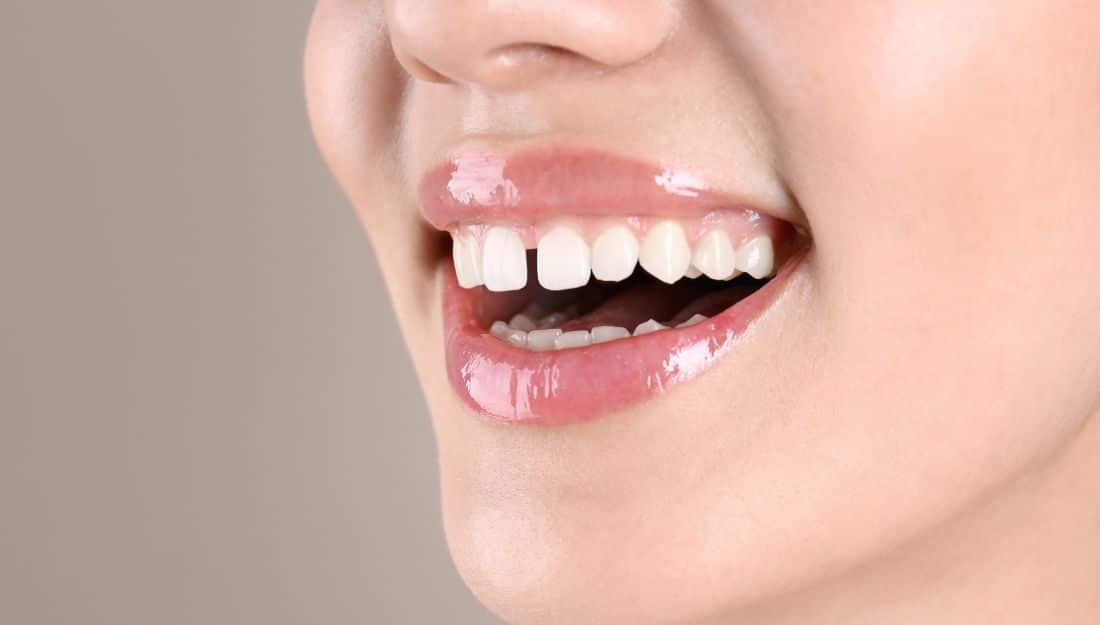
You look in the mirror one day and something feels off. A tooth that used to sit snugly beside the next one now has a visible gap, food is getting trapped more often, and your bite may even feel a little different. That kind of change can be unsettling because teeth are not supposed to shift without a reason. New spaces between teeth can come from gum problems, tooth movement, grinding, missing teeth, or changes in the way your teeth meet. A general dentist looks at the gap itself, the health of your gums and bone, and whether your teeth are drifting because of pressure or loss of support. In some cases, treatment options such as dental implants in Pekin, IL may be considered when missing teeth are contributing to the problem.
Sometimes the change is small and slow, which makes it easy to ignore. You tell yourself it is probably nothing, then a few months pass and the space is wider, floss snaps through too easily, or one front tooth starts to look longer than the other. That pattern matters. A gap that appears later in life is different from a space you have always had. Dentists pay close attention to that difference because it helps narrow down the cause.
New spaces between teeth often point to an underlying dental problem
A new gap is usually a symptom, not the whole problem. One common cause is gum disease. When gums and the bone under them weaken, teeth can loosen and drift. If your gums bleed when you brush, feel tender, or seem to be pulling away from the teeth, your dentist may suspect periodontal disease. The National Institute of Dental and Craniofacial Research explains how gum disease can damage the tissues that hold teeth in place, which is why spacing changes are taken seriously.
Tooth movement can also happen when pressure builds over time. Grinding and clenching may push teeth out of position. A missing tooth can let nearby teeth lean into the empty space. Even a bite that has been slightly off for years can start creating visible changes once the teeth and supporting tissues can no longer compensate. In some people, the issue is orthodontic. Teeth may simply be shifting due to crowding, tongue pressure, or natural movement with age. MedlinePlus offers a clear overview of orthodontic treatment and tooth alignment issues, which helps explain why spacing is not always just a cosmetic concern.
Your dentist usually starts with a close visual exam, then checks the gums, measures any pockets around the teeth, and looks for mobility. X-rays matter here because they show bone levels, root position, and whether there is hidden infection or bone loss. If one tooth has moved more than the others, the dentist may also test the bite and look for wear patterns that suggest grinding. If there is swelling, pain, or a bad taste, infection moves higher on the list of possible causes.
There are cases where the gap is tied to a more specific issue, such as an abscess, trauma, or a cyst. A dental abscess can create pressure, pain, and changes in the surrounding tissues. MedlinePlus explains the signs of a tooth abscess and related infection, and that is one reason sudden spacing with pain should not wait.
Dental spacing assessment focuses on gums, bone, and bite
When a dentist performs a dental spacing assessment, the goal is to answer a few direct questions. Is the tooth moving because the gum support is failing. Is another tooth pushing against it. Is the gap caused by a missing tooth somewhere else in the mouth. Is there active infection. Those answers shape the next step, and that next step may be very different from what you expected.
If gum disease is the cause, straightening the teeth before treating the gums can make things worse. If the problem is bite pressure, a night guard or bite adjustment may be part of the plan. If the space developed after a tooth was lost, replacement options may help stop more shifting. If the gap is mostly orthodontic, the dentist may discuss aligners or braces after confirming the gums and bone are healthy enough to support movement.
This is where people often feel frustrated. You notice a visible gap and want a quick fix, but the real issue may be under the gumline where you cannot see it. Closing the space without dealing with the cause can lead to relapse, more movement, or damage to the teeth that are already under strain.
Professional evaluation gives clearer answers than watching and waiting
Watching a small gap for a week or two may feel reasonable if there is no pain, but waiting for months usually works against you. Bone loss from periodontal disease does not reverse on its own. Bite problems tend to keep applying force. A loose tooth rarely becomes stable without treatment. The sooner a dentist measures what is happening, the more options you usually have.
| Situation | What You Might Notice | What a Dentist Evaluates | Common Next Step |
| Gum disease related spacing | Bleeding gums, bad breath, teeth looking longer, new gap | Gum pocket depth, bone loss on X-rays, tooth mobility | Deep cleaning, periodontal care, ongoing monitoring |
| Bite pressure or grinding | Jaw soreness, worn edges, shifting front teeth | Bite contacts, wear patterns, muscle tension, tooth movement | Night guard, bite adjustment, restorative planning |
| Missing tooth causing drift | Teeth leaning, food trapping, changing bite | Tooth position, spacing pattern, bone support | Tooth replacement, orthodontic correction if needed |
| Infection or abscess | Pain, swelling, pressure, sudden change near one tooth | X-rays, tenderness, gum swelling, source of infection | Drainage, root canal, extraction, antibiotics when appropriate |
Evaluating gaps between teeth starts with clear next steps
1. Track what changed.
Take a close photo of the area and note when you first noticed the space. Pay attention to bleeding, pain, loose teeth, food trapping, or changes in your bite. That timeline helps your dentist tell the difference between slow orthodontic shifting and a faster problem like infection or gum breakdown.
2. Schedule a general dentist visit soon.
A general dentist can check the gap, take X-rays, and decide whether the issue is periodontal, orthodontic, restorative, or infectious. If the cause needs a specialist, you will know that early instead of guessing and losing time.
3. Do not try to close the gap yourself.
Online tricks, pressure devices, or makeshift aligners can damage roots, loosen teeth, and worsen gum loss. If the gap is caused by weak support, extra force is the last thing the tooth needs. Professional guidance protects the teeth you still have.
Early care protects your teeth and your options
New spacing can feel like a small cosmetic problem at first, but it often signals something deeper. The good news is that dentists know how to sort out the cause, measure the damage, and build a plan that fits what is actually happening in your mouth. If you have noticed a gap that was not there before, schedule an exam with a general dentist and get clear answers before the movement continues.