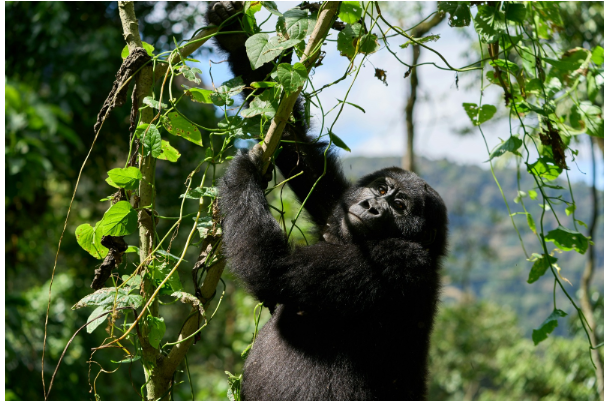
Rwanda has a problem most countries would love to have: too many good reasons to visit, packed into a country you can drive across in a single day. That’s exactly what trips people up when they start planning. Do you chase the gorillas first, or work your way through the parks and end in the mountains? Where does Kigali actually fit? Most Rwanda trips end up combining four very different experiences — Akagera National Park for classic safari, Nyungwe National Park for rainforest and chimps, Volcanoes National Park for mountain gorilla trekking, and Kigali City of Rwanda as the hub tying it all together. Each one feels like a different country, honestly, even though you can drive between most of them in a few hours. This guide walks through what each place actually offers, how they fit together on a real itinerary, and what to budget for so you’re not guessing.
Why Rwanda Is Ideal for a Multi-Destination Safari
Part of what makes a Rwanda safari work so well is simply geography. The country is small — smaller than Vermont — but it packs in savannah, volcanic mountains, and dense rainforest within a few hours of each other. You’re not signing up for eight-hour transfers between destinations like you might in Tanzania or Kenya. A Rwanda wildlife tour that includes both big game and primates is genuinely realistic here, not just a marketing pitch.
That compactness matters most for travelers working 7 to 12 days. You can build a Rwanda travel itinerary that covers a proper safari, gorilla trekking Rwanda experience, and a slower rainforest section without feeling rushed the whole time. It’s worth being clear about one thing early: a wildlife-focused trip and a primate-focused trip aren’t the same product. Akagera gives you open plains and game drives. Volcanoes and Nyungwe are about primate trekking, hiking through forest, and a completely different pace. Rwanda just happens to let you do both without wasting half your trip in transit.
Akagera National Park — Rwanda’s Wildlife Safari Side
What to Expect on Safari
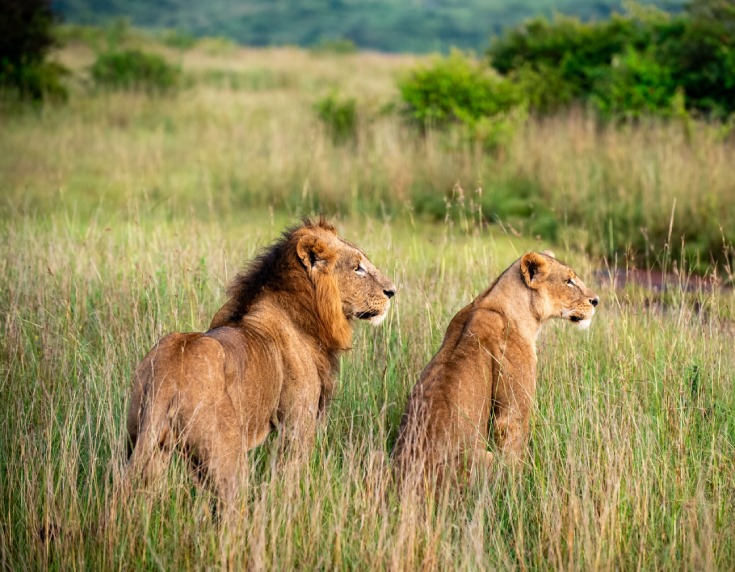
Akagera national park sits in the east, near the Tanzanian border, and it looks nothing like the volcanic west of the country. Think open savannah, acacia woodland, and a chain of lakes and wetlands that draw in an impressive range of birdlife. Game drives here follow the pattern you’d expect from an Akagera safari anywhere in East Africa — early morning or late afternoon drives, tracking lions, elephants, buffalo, giraffe, and (with some patience) rhino. What sets Akagera apart from a lot of savannah parks is the boat safari option on Lake Ihema, which gets you close to hippos and crocodiles without the dust of a game drive. It’s a nice change of pace, and honestly a good chance to just sit still for an hour.
Who Should Visit Akagera?
Akagera works particularly well for families, first-time safari travelers, and photographers who want a landscape that contrasts with the volcanic terrain further west. If gorilla trekking is the main event of your trip, Akagera is what fills out the itinerary with wildlife viewing you won’t get anywhere else in Rwanda. It’s not the Serengeti in scale, but the conservation recovery story here is genuinely interesting, and the park rewards travelers who give it two full days rather than a rushed single loop.
Nyungwe National Park — Rainforest, Chimpanzees and Forest Adventures
Why Nyungwe Feels Completely Different
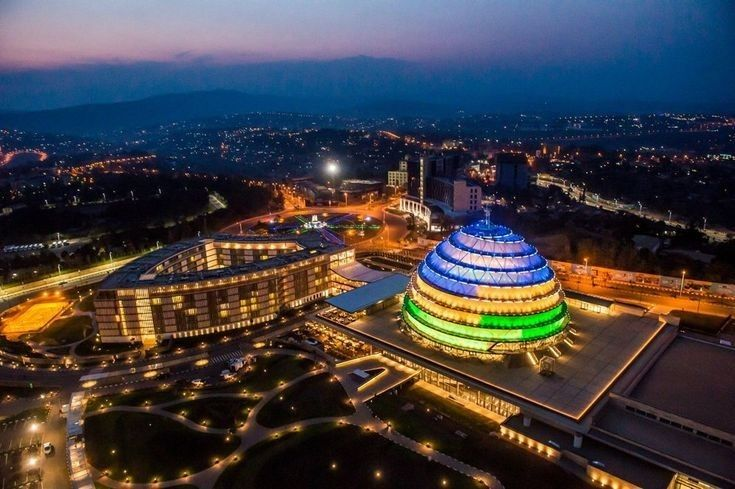
If Akagera is about open space, Nyungwe national park is the opposite — dense, montane rainforest, cooler air, and trails that wind under a canopy so thick you lose the sky for hours. This is one of the oldest rainforests in Africa, part of the wider Albertine Rift ecosystem, and it shows how much life is packed into it. Expect more walking here and less sitting in a vehicle. Bring a rain jacket regardless of season; the forest earns its name.
Main Experiences in Nyungwe
Chimpanzee trekking is the headline activity, and it’s a different animal (pun intended) from gorilla trekking — chimps move fast, so treks can involve more distance and less certainty about sightings. Beyond the chimps, Nyungwe has other primate groups worth spotting, a genuinely fun canopy walkway suspended above the forest floor, and some of the best birdwatching Rwanda has to offer for anyone who packs binoculars. Forest hikes range from short nature walks to longer routes for people who want to actually feel like they’ve earned the view. Nyungwe rewards travelers who aren’t in a hurry — it’s less about ticking a box and more about sitting with the forest for a day or two.
Volcanoes National Park — The Rwanda Gorilla Trekking Experience
What Makes Volcanoes Different?
Volcanoes national park is usually the reason people book Rwanda in the first place. It sits at the base of the Virunga Mountains, a chain of volcanoes shared with Uganda and the DRC, and it’s home to the mountain gorillas that made this corner of Africa famous. The landscape alone is worth the trip — thick bamboo forest giving way to steep volcanic slopes, often wrapped in mist. But let’s be honest, most people aren’t here for the scenery. They’re here for the gorillas.
What a Gorilla Trek Usually Requires
A gorilla trek is not a casual walk. Groups leave early in the morning after a briefing, and from there the hike can last anywhere from 30 minutes to several hours depending on where the gorilla family happens to be that day — nobody can predict it in advance. Terrain is uneven, sometimes steep, and altitude adds to the effort even for people who consider themselves reasonably fit. Weather shifts fast up there, so layers matter more than you’d think. A valid Rwanda gorilla permit is required and needs to be arranged well ahead of your trip date, since availability is limited. Sturdy boots, gardening gloves for pushing through vegetation, and following your ranger’s instructions once you’re near the gorillas all matter more than people expect going in.
Travelers considering the wider Virunga region can also compare Rwanda’s Volcanoes National Park with Uganda’s Mgahinga Gorilla National Park, especially if they’re planning a cross-border East African itinerary. It’s not a like-for-like comparison — Mgahinga is smaller and less frequently visited for gorilla permits — but it’s a reasonable option for anyone building a broader trip across Rwanda and Uganda.
Kigali City of Rwanda — Where the Journey Begins or Ends
What to Do in Kigali
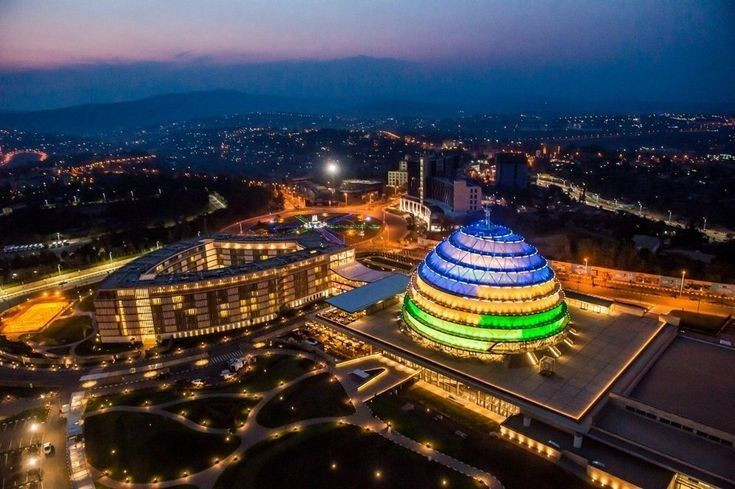
Kigali city of Rwanda is where almost every trip starts and ends, since it’s the main international gateway. It deserves more than a layover, though. The Kigali Genocide Memorial is a difficult but important stop for understanding the country’s recent history, and it’s handled with more care than you might expect. Beyond that, there are lively local markets, a growing café and restaurant scene, and neighborhoods like Kimihurura and Nyamirambo that give a much better sense of daily life than any hotel lobby will. Kigali is also one of the cleanest, most walkable capital cities in the region, which makes a short stay pleasant rather than a chore.
How Much Time Should You Spend?
One day works if your schedule is tight and you just need the memorial and a good meal. Two days lets you slow down, explore a neighborhood on foot, and actually adjust before a physically demanding gorilla trek. Arriving in Kigali a day or two before heading into the mountains tends to reduce travel stress considerably — jet lag and a 6 a.m. trek briefing don’t mix well.
How to Combine Akagera, Nyungwe, Volcanoes and Kigali
This is probably the part most readers actually came for.
Suggested 7-Day Rwanda Itinerary
A fast-paced but workable structure looks something like this: Day 1 lands you in Kigali. Days 2 and 3 cover Akagera, including the drive out and a proper safari day. Days 4 and 5 move you into Nyungwe for forest hikes and chimpanzee trekking. Day 6 gets you to the Volcanoes region, and Day 7 is your gorilla trek followed by departure planning. It’s tight — there’s no getting around that — and anyone prone to travel fatigue should build in a buffer day somewhere in the middle.
Better 9–12 Day Option
With a few extra days, the trip breathes a lot better. Add an extra day in Akagera for a second game drive and the boat safari. Give Nyungwe two full days so the canopy walk and chimp trek aren’t crammed into the same morning. Add a second day in Kigali, either at the start or end, and consider a rest day around Volcanoes before or after the trek — altitude and a long hike deserve some recovery time.
Practical Route Logic
The order of your trip should really be built around your gorilla permit date first, then your flights, and only then everything else. Permits are tied to a specific day and can’t easily be shuffled once booked, so it makes more sense to build the rest of the itinerary — Akagera, Nyungwe, Kigali — around that fixed point rather than trying to visit everything in a straight line regardless of logistics.
Best Time to Visit Rwanda for Safari, Forest and Gorilla Trekking
There’s no single “best month” for Rwanda, and anyone who tells you otherwise is oversimplifying. It depends on what you’re prioritizing. Drier months generally mean easier trail conditions for gorilla and chimpanzee trekking and better visibility for wildlife in Akagera, since animals cluster around remaining water sources. Wetter months bring lush, dramatic scenery in Nyungwe and Volcanoes, but also muddier, more physically demanding treks. Some travelers genuinely prefer the quieter trails and greener forest of the rainy months and don’t mind the mud. Gorilla permit availability can also shift with demand, so that’s sometimes a bigger factor in your dates than the weather forecast.
Rwanda Trip Costs, Permits and What to Budget For
Rather than throwing out numbers that go stale within a year, it’s more useful to know what categories to actually plan for. The gorilla trekking permit is typically the single largest line item in a Rwanda trip budget, often outweighing accommodation or park fees combined. Beyond that, you’re budgeting for chimpanzee trekking and other Nyungwe forest activities, general national park entrance fees, a safari vehicle with driver or guide for Akagera, accommodation across each region, meals, airport transfers, internal transport between parks, any Kigali city activities or tours, and travel insurance that actually covers trekking activities at altitude.
Because the gorilla permit is such a large and fixed cost, it makes sense to confirm permit availability and pricing before locking in the rest of your Rwanda safari itinerary — there’s not much point finalizing accommodation dates around a permit that might not be available.
What to Pack for a Rwanda Safari and Gorilla Trek
Keep it practical. Comfortable, broken-in hiking shoes matter more than almost anything else on this list. Bring lightweight layers you can add or remove, a proper waterproof jacket, and long trousers for both sun protection on safari and vegetation protection on forest treks. A daypack, a reusable water bottle, insect protection, and sun protection round out the basics. A camera or binoculars will get heavy use in both Akagera and Nyungwe. Carry a small amount of local cash for tips and small purchases, pack any personal medications you need, and bring some kind of waterproof protection for phones and cameras — Nyungwe in particular doesn’t care about your electronics.
One thing worth noting: gorilla trekking and an Akagera safari call for slightly different priorities. Trekking favors sturdy boots and grippy soles; safari days favor breathable layers and dust protection. If you’re doing both, pack for the trek first — that’s the harder physical day.
How to Choose the Right Rwanda Experience for Your Trip
| Traveler priority | Best choice |
| Big-game wildlife | Akagera |
| Gorillas | Volcanoes |
| Chimpanzees and rainforest | Nyungwe |
| Culture and city life | Kigali |
| Complete Rwanda experience | Combine all four |
| Virunga-region comparison | Volcanoes + Uganda’s Mgahinga |
Planning With a Local Rwanda Travel Operator
Given how much of this trip depends on timing — permit dates, transfer logistics, seasonal trail conditions — a lot of travelers end up working with a regional operator rather than piecing everything together solo. Albertine Tours is one example of an operator working across Rwanda, Uganda, Tanzania, and Burundi, which is useful if you’re thinking about extending a Rwanda trip into a broader East African itinerary rather than keeping it to one country.
Final Thoughts — Build Your Rwanda Trip Around the Experiences You Actually Want
Rwanda doesn’t force you to choose one kind of trip. Akagera covers wildlife and safari, Nyungwe covers rainforest and chimpanzees, Volcanoes covers gorillas and mountain trekking, and Kigali ties it all together as your arrival and departure base. The real planning work isn’t deciding whether to visit all four — most travelers do — it’s deciding how much time each one deserves. Start with your gorilla permit date, check availability early, be honest about your fitness level for the treks, and build in enough transfer time between regions so the trip doesn’t feel like a checklist. A shorter, well-paced itinerary usually beats a longer one crammed with too much driving.
Frequently Asked Questions About Rwanda Travel
How many days do you need to visit Rwanda?
A short trip focused only on gorilla trekking and Kigali can work in 4 to 5 days. A more balanced trip covering Akagera and Nyungwe as well needs closer to 9 to 12 days. Anything under a week tends to feel rushed once you factor in transfer time between parks.
Is Akagera National Park worth visiting if I am already doing gorilla trekking?
Yes, and they’re different enough experiences that one doesn’t replace the other. Gorilla trekking is about a single, intense encounter with primates in dense forest. Akagera gives you the broader savannah wildlife experience — game drives, big herds, birdlife — that gorilla trekking simply doesn’t offer.
Which is better for chimpanzee trekking, Nyungwe or other Rwanda parks?
Nyungwe is Rwanda’s main destination for chimpanzee trekking and rainforest primate experiences. It’s not really a competition within the country — Nyungwe is where this activity is centered, and the canopy walkway and birdlife make it worth the trip on its own.
How difficult is gorilla trekking in Volcanoes National Park?
It varies a lot day to day, since it depends on where the gorilla family is located. Treks can range from a short walk to several hours over steep, uneven terrain at altitude. Reasonable fitness helps, but porters are available for anyone who wants extra support on the hike.
Can you visit Kigali, Akagera, Nyungwe and Volcanoes National Park in one trip?
Yes, and it’s actually a fairly common itinerary given Rwanda’s small size. Whether it feels comfortable or rushed depends entirely on how many days you have — 7 days is workable but tight, while 10 to 12 gives you room to actually enjoy each stop.
Is Rwanda good for a first African safari?
It can be, especially for travelers who want gorillas, chimpanzees, and classic wildlife in one trip with manageable logistics and organized tourism infrastructure. That said, the safari experience in Akagera is smaller in scale than the vast plains of Kenya or Tanzania, so it’s worth setting expectations around that before you go.