Introduction
Modern workplaces demand protective equipment that combines durability, comfort, and precision for challenging tasks. Carbon fiber gloves have become a preferred solution for professionals who require reliable hand protection without sacrificing flexibility or control. Whether used in electronics manufacturing, automotive production, aerospace facilities, or precision engineering, these gloves help workers perform delicate and demanding tasks with greater confidence.
Unlike traditional work gloves, products made with carbon fiber technology are designed to improve performance while maintaining lightweight comfort. They often include conductive fibers, advanced coatings, and ergonomic designs that support productivity during extended working hours.
As industries continue adopting advanced manufacturing processes, choosing the right protective gloves has become increasingly important. Understanding their construction, applications, and selection criteria helps businesses and workers make informed purchasing decisions.
What Are Carbon Fiber Gloves?
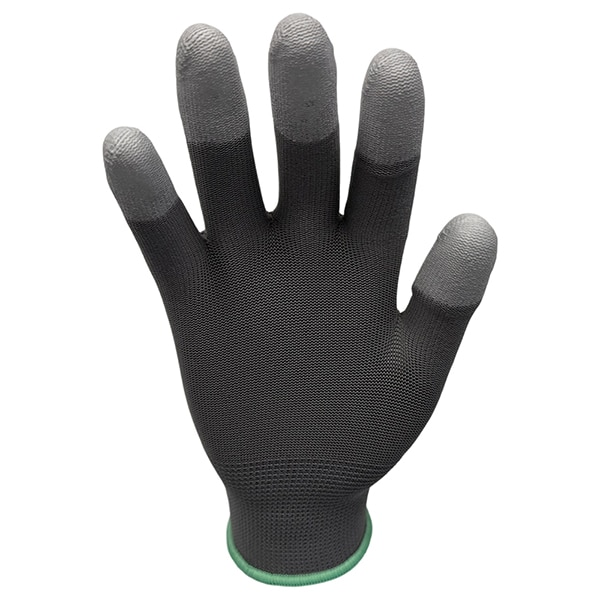
Carbon fiber gloves are specialized protective gloves manufactured using carbon fiber yarns or blended materials that enhance durability, conductivity, and comfort. Many models also include nylon, polyester, polyurethane, or other synthetic fibers to improve flexibility and fit.
These gloves are commonly selected for environments where precision handling, electrostatic discharge protection, and lightweight performance are essential.
Depending on the intended application, they may feature:
- Carbon fiber woven throughout the fabric
- Conductive fibers for static control
- PU-coated palms for enhanced grip
- Breathable knitted construction
- Seamless ergonomic design
- Excellent finger dexterity
- Comfortable stretch fit
- Reusable and washable materials
Their balanced combination of protection and comfort makes them suitable for industries requiring consistent performance.
Why Carbon Fiber Technology Matters
Carbon fiber is recognized for its impressive strength-to-weight ratio. When integrated into protective gloves, it contributes to improved performance while keeping the gloves lightweight.
Advantages of carbon fiber materials include:
- Reduced glove weight for better comfort
- Improved flexibility during detailed work
- Excellent resistance to regular wear
- Better durability than many conventional fabrics
- Enhanced conductivity for static-sensitive environments
- Comfortable use over long work shifts
- Reliable performance in precision applications
- Modern, ergonomic glove construction
These qualities help increase worker efficiency while supporting workplace safety standards.
Key Features to Look for in Carbon Fiber Gloves
Choosing the right gloves depends on understanding the features that affect daily performance.
Comfortable Ergonomic Design
A properly fitted glove allows workers to maintain control while reducing fatigue during repetitive tasks.
Look for:
- Seamless knitting
- Stretchable fabric
- Flexible wrist cuffs
- Lightweight construction
Reliable Grip Performance
Grip quality plays an important role when handling tools, machinery, or sensitive components.
Many gloves include:
- Polyurethane-coated palms
- Textured fingertips
- Slip-resistant surfaces
- Improved object control
Static Control Capability
Many industrial environments require protection against electrostatic discharge.
Quality gloves may provide:
- Conductive carbon fibers
- Static dissipative performance
- Safe handling of electronic components
- Reduced risk of static damage
Breathability
Comfort increases productivity during long work sessions.
Breathable materials help:
- Minimize sweating
- Improve airflow
- Keep hands cooler
- Reduce discomfort
Industries That Commonly Use Carbon Fiber Gloves
Different industries benefit from the unique properties offered by these gloves.
Electronics Manufacturing
Electronic components are highly sensitive to static electricity.
Workers frequently use these gloves while handling:
- Circuit boards
- Microchips
- Processors
- Communication devices
- Precision electronic assemblies
Automotive Production
Modern vehicle manufacturing requires accurate handling of numerous small parts.
Applications include:
- Component assembly
- Quality inspection
- Electrical systems
- Interior installation
- Sensor handling
Aerospace Industry
Aircraft manufacturing requires exceptional attention to detail.
Technicians often wear protective gloves when working with:
- Lightweight materials
- Aircraft electronics
- Precision hardware
- Sensitive assemblies
Medical Device Manufacturing
Medical equipment manufacturers require clean, accurate handling of delicate instruments and components.
Precision Engineering
Engineering professionals appreciate gloves that maintain tactile sensitivity while providing dependable protection.
Benefits of Using Carbon Fiber Gloves
- Lightweight construction reduces hand fatigue.
- Comfortable fit supports longer working hours.
- Excellent dexterity improves precision.
- Conductive fibers help manage static electricity.
- Durable materials extend glove lifespan.
- Breathable fabrics increase user comfort.
- Better grip improves handling accuracy.
- Suitable for various industrial applications.
- Reusable designs provide cost efficiency.
- Professional appearance enhances workplace standards.
How to Select the Right Carbon Fiber Gloves
Finding the ideal gloves requires evaluating both work conditions and performance requirements.
Identify the Working Environment
Different industries require different protection levels.
Consider:
- Electronics assembly
- Mechanical work
- Cleanroom operations
- Inspection tasks
- Manufacturing lines
Evaluate Grip Requirements
Choose palm coatings based on your working surface.
Examples include:
- PU coating
- Foam coating
- Smooth finish
- Textured grip
Consider Fit and Comfort
Well-fitting gloves improve both safety and productivity.
Important factors include:
- Correct sizing
- Flexible fingers
- Elastic wrist
- Comfortable stitching
Review Durability
Frequent glove replacement increases operating costs.
Look for products designed to withstand:
- Daily wear
- Frequent handling
- Repetitive movements
- Long work shifts
Maintenance Tips for Longer Service Life
Proper maintenance helps preserve glove performance.
- Wash according to manufacturer recommendations.
- Allow gloves to air dry naturally.
- Avoid excessive heat exposure.
- Replace damaged gloves promptly.
- Store in a clean, dry location.
- Inspect regularly for wear.
- Keep gloves free from oils and contaminants.
- Rotate multiple pairs when used daily.
Routine care ensures consistent protection and extends product life.
Common Mistakes to Avoid When Buying Protective Gloves
Selecting gloves without considering workplace requirements often leads to reduced efficiency.
Avoid these common mistakes:
- Choosing the lowest-priced option only
- Ignoring glove size
- Overlooking grip requirements
- Forgetting electrostatic protection needs
- Buying gloves unsuitable for the task
- Neglecting comfort during extended use
- Replacing gloves too late after wear
- Failing to review material quality
Careful evaluation leads to better performance and long-term value.
Carbon Fiber Gloves Compared with Conventional Work Gloves
Traditional gloves remain useful for many general tasks, but specialized industrial environments often require additional performance.
Carbon fiber glove technology offers several advantages:
- Better static control
- Improved lightweight comfort
- Enhanced flexibility
- Greater precision handling
- Modern ergonomic construction
- Better compatibility with sensitive equipment
- Excellent dexterity for detailed work
- Reliable performance across technical industries
The right choice depends on the specific hazards, working conditions, and level of precision required.
Choosing Carbon Fiber Gloves for Long-Term Performance
Selecting quality carbon fiber gloves is an investment in workplace safety, efficiency, and productivity. Their lightweight construction, ergonomic comfort, reliable grip, and conductive properties make them an excellent option for industries where precision and protection are equally important.
By understanding material quality, intended application, comfort, durability, and maintenance requirements, businesses and professionals can confidently choose carbon fiber gloves that meet demanding operational needs while supporting consistent performance every day.