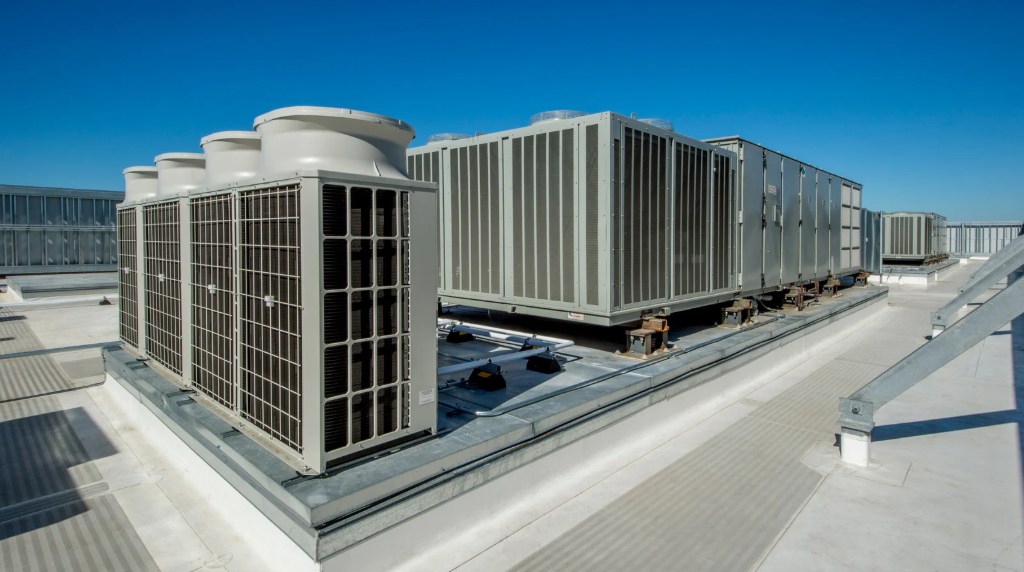
Efficient HVAC systems are essential for maintaining comfortable indoor environments while controlling operational costs in commercial facilities. Regular maintenance plays a crucial role in ensuring that systems operate at peak performance throughout the year. Businesses that invest in professional servicing often notice improved energy efficiency and reduced system strain. When considering solutions for commercial HVAC maintenance in Oklahoma City, it becomes clear that consistent upkeep helps prevent unnecessary energy waste. Properly maintained systems not only perform better but also last longer, supporting overall facility performance. Understanding key maintenance practices can help businesses maintain efficiency and reliability.
Routine System Inspections
Regular inspections are essential for identifying potential issues before they impact system performance. Professional technicians evaluate all components, including filters, coils, and electrical connections, to ensure they are functioning correctly. These inspections help detect wear and inefficiencies that may lead to increased energy consumption. By addressing minor issues early, businesses can avoid larger problems that disrupt operations. Routine inspections also ensure that systems remain aligned with performance standards, allowing them to operate efficiently. Consistent evaluation supports long-term reliability and helps maintain stable indoor conditions.
Cleaning and Component Maintenance
Keeping system components clean is critical for maintaining energy efficiency. Dust and debris can accumulate within the system, restricting airflow and forcing equipment to work harder. Professional cleaning of coils, ducts, and filters improves airflow and reduces strain on the system. This process enhances overall efficiency and supports consistent temperature control throughout the facility. Clean components also contribute to better indoor air quality, which is essential for a productive work environment. Regular maintenance ensures that all parts of the system remain in optimal condition, reducing unnecessary energy usage.
Optimizing System Controls
Modern HVAC systems rely on advanced controls to efficiently manage temperature and airflow. Ensuring that these controls are properly calibrated is key to improving performance. Professionals can adjust settings to align with the facility’s specific needs, preventing energy waste from overuse or improper scheduling. Incorporating insights of how extreme cold can affect commercial HVAC helps ensure systems are prepared for seasonal changes and operate efficiently under varying conditions. Proper control optimization allows businesses to maintain comfort while minimizing energy consumption.
Airflow and Duct Efficiency
Efficient airflow is a major factor in HVAC performance and energy use. Blocked or poorly designed duct systems can lead to uneven temperature distribution and increased energy demand. Professional assessment of ductwork ensures that air is distributed evenly across all areas of the building. Sealing leaks and improving duct design can significantly enhance system efficiency. Proper airflow reduces the workload on HVAC equipment, allowing it to operate more effectively. This not only improves comfort but also contributes to lower energy costs over time.
Preventive Maintenance Planning
Developing a structured maintenance plan is essential for sustaining HVAC efficiency. Scheduled servicing ensures that all components are checked and maintained regularly, reducing the likelihood of unexpected failures. Preventive maintenance focuses on keeping systems in peak condition, allowing them to perform efficiently throughout their lifecycle. Businesses benefit from consistent performance and reduced operational disruptions. Professional maintenance programs are tailored to meet the specific needs of each facility, ensuring that systems receive the attention required for optimal efficiency. This proactive approach supports long-term energy savings and system reliability.
Conclusion
Maintaining an efficient commercial HVAC system requires a combination of regular inspections, cleaning, and strategic planning. Each maintenance step contributes to improved energy performance and overall system reliability. By relying on professional services, businesses can ensure that their HVAC systems operate at optimal levels while minimizing energy consumption. Consistent upkeep not only enhances comfort but also supports long-term operational success, making maintenance an essential aspect of commercial facility management.