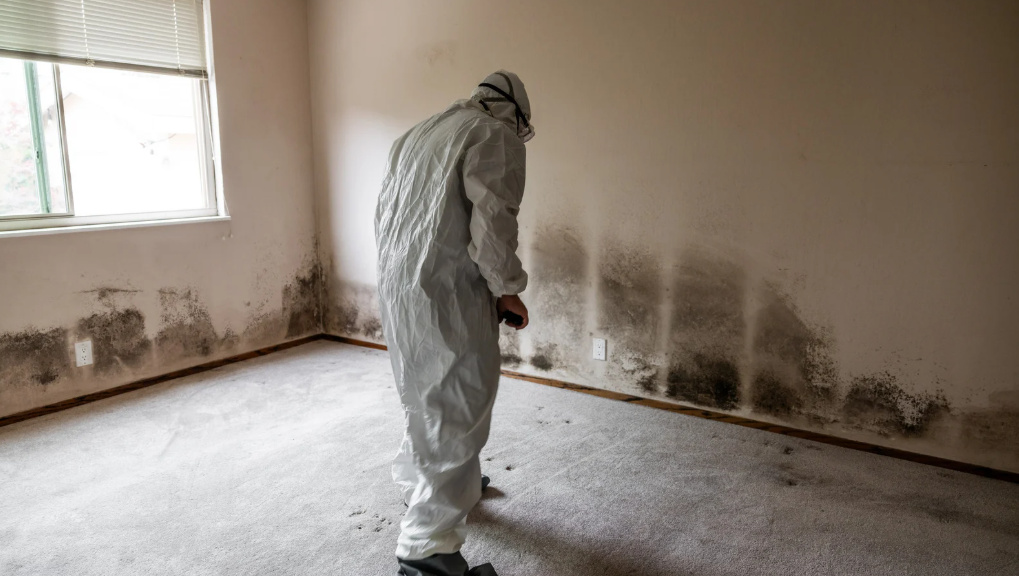
Mold inspections in commercial properties have evolved significantly with the introduction of advanced diagnostic tools. Traditional inspection methods often relied on visible signs and manual assessments, which could miss hidden moisture issues. Today, thermal imaging technology is transforming how professionals detect and evaluate mold risks. Businesses seeking commercial mold inspection in Atlanta are increasingly benefiting from these precise and non-invasive techniques. By identifying temperature variations behind walls and surfaces, thermal imaging allows experts to detect potential mold growth before it becomes a larger problem.
Detecting Hidden Moisture with Greater Accuracy
One of the most important advantages of thermal imaging is its ability to locate hidden moisture that cannot be seen with the naked eye. Mold thrives in damp environments, often forming behind walls, ceilings, and flooring, where it remains undetected. Thermal cameras identify subtle temperature differences that indicate moisture buildup in these concealed areas. This level of accuracy allows professionals to pinpoint problem zones without unnecessary disruption. As a result, inspections become more efficient while ensuring that no hidden risks are overlooked.
Reducing the Need for Invasive Inspection Methods
Traditional mold inspections often required cutting into walls or removing materials to locate moisture sources. This process could be time-consuming and disruptive to commercial operations. Thermal imaging eliminates much of this need by providing a clear view of what lies beneath the surface. Professionals can assess large areas quickly without causing damage to the property. This non-invasive approach not only saves time but also reduces repair costs associated with inspection procedures.
Improving Early Detection and Prevention
Early detection is essential in preventing mold from spreading and causing extensive damage. Thermal imaging enables professionals to identify moisture issues at an early stage, even before visible signs of mold appear. By addressing these conditions promptly, businesses can avoid costly remediation and structural damage. Insights similar to those from mold removal services in Atlanta highlight how early intervention plays a key role in maintaining healthy indoor environments. This proactive approach ensures that potential problems are managed before they escalate.
Enhancing Inspection Efficiency in Large Commercial Spaces
Commercial properties often include large and complex spaces that can be difficult to inspect thoroughly using traditional methods. Thermal imaging technology allows professionals to scan wide areas quickly and accurately. This efficiency is particularly valuable in offices, warehouses, and multi-level buildings where mold risks may vary across different sections. By streamlining the inspection process, professionals can provide comprehensive evaluations in less time while maintaining high accuracy.
Supporting Data-Driven Decision Making
Thermal imaging provides visual data that helps professionals and property owners make informed decisions. The images captured during inspections clearly show areas of concern, making it easier to understand the extent of moisture issues. This data supports more accurate planning for remediation and prevention strategies. With clear evidence of problem areas, businesses can prioritize actions that protect their property and occupants. This level of insight enhances the overall effectiveness of mold management efforts.
Conclusion
Thermal imaging technology is reshaping the way commercial mold inspections are conducted by providing accurate, efficient, and non-invasive solutions. From detecting hidden moisture to enabling early intervention, this advanced approach offers significant advantages over traditional methods. By improving inspection accuracy and supporting informed decision-making, thermal imaging helps protect commercial properties from the risks associated with mold growth. As technology continues to advance, it will play an even greater role in ensuring safer and healthier indoor environments.