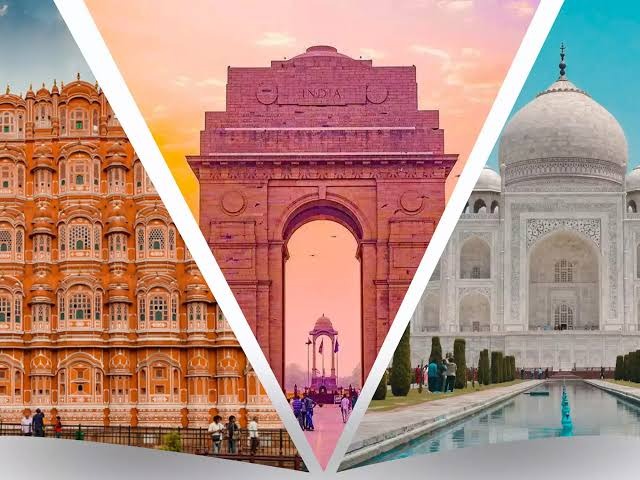
North India can feel overwhelming to plan from the outside. Between Mughal monuments, desert forts, mountain hill stations, and cities that never seem to slow down, it’s hard to know where to actually start. The good news is that most first-time travelers end up following a similar, well-tested path — and once you understand the logic behind it, planning your own trip becomes a lot simpler.
This guide walks through the practical decisions you’ll need to make: when to go, how long to stay, which cities to prioritize, and how to structure an itinerary that doesn’t leave you exhausted by day three.
Start With Your Timeline, Not the Map
Before picking destinations, figure out how many days you actually have. This single decision shapes almost everything else about your trip.
- 5–7 days: Stick to one compact region. This is where most first-timers land, and it’s usually enough time to cover Delhi, Agra, and Jaipur without feeling rushed.
- 10–14 days: You can comfortably extend beyond the core cities into Rajasthan’s desert and lake circuit — Jodhpur, Udaipur, and Jaisalmer.
- 3 weeks or more: You have room to add a hill station, a wildlife stop, or a spiritual detour to Varanasi alongside the main circuit.
Trying to cram too many cities into too few days is the most common planning mistake — you end up spending more time in transit than actually exploring.
Understand the Golden Triangle First
If you’re new to India, chances are you’ve already come across the term “Golden Triangle.” It refers to the triangular route connecting Delhi, Agra, and Jaipur, and it’s the starting point for most first-time itineraries in North India.
The appeal is straightforward: these three cities hold some of the country’s most recognizable landmarks — the Taj Mahal in Agra, Qutub Minar and Humayun’s Tomb in Delhi, and Amber Fort and Hawa Mahal in Jaipur — and they’re close enough together that you’re not losing entire days to travel. A well-paced Golden Triangle trip typically runs 5 to 6 days, though it can be shortened to 3 if your schedule is tight.
If you want a sense of how this route usually comes together in practice and to compare and book the option that fits your dates, it’s worth browsing Golden Triangle India packages—most follow this same Delhi-Agra-Jaipur sequence, and this will give you a realistic idea of pacing, inclusions, and what a 5–6 day version actually looks like day by day.
Decide Whether to Extend Into Rajasthan
Once you’ve got the Golden Triangle sorted, the next decision is whether to stop there or continue deeper into Rajasthan. This really comes down to time and interest.
If monuments and a fast-paced introduction to India are what you’re after, the Golden Triangle alone covers that well. But if you’re drawn to desert landscapes, lake palaces, and a slower, more immersive experience of Rajputana culture, it’s worth extending your trip to include Jodhpur’s blue-painted old city, Udaipur’s lakes, and a night in the Thar Desert near Jaisalmer.
This extension typically adds another 5 to 7 days, bringing a combined trip to somewhere between 10 and 14 days total. Before committing, it helps to look through Rajasthan tour packages to compare how different operators sequence Jodhpur, Udaipur, and Jaisalmer, and to choose and book the one that matches your dates, group size, and preferred cities.
Pick the Right Time to Travel
Weather plays a bigger role in North India than most first-time travelers expect. Summers (April to June) can push past 40°C, which makes daytime sightseeing genuinely difficult. Monsoon season (July to September) brings cooler temperatures but unpredictable rain and humidity.
The sweet spot is October to March, when daytime temperatures are comfortable enough for full days of sightseeing and evenings are pleasantly cool. This is peak season for a reason, so if you’re traveling during this window, book accommodations and monument tickets — especially for the Taj Mahal — well in advance.
Decide How You’ll Get Around
Distances in North India are manageable but not negligible. A few options to weigh:
- Private car with driver: The most flexible option, especially useful for the Golden Triangle and even more so for Rajasthan, where distances between cities stretch to several hours. This also lets you stop at smaller towns along the way.
- Train: A comfortable and often scenic option between major cities like Delhi, Agra, and Jaipur, though schedules need to be planned around.
- Domestic flights: Useful if you’re short on time and want to skip long road transfers, particularly for longer Rajasthan circuits.
Most first-time travelers find a private car the easiest to manage, since it removes the guesswork around timings and station transfers.
Build a Realistic Day-by-Day Structure
Once you know your timeline and route, sketch out a loose daily structure rather than overplanning every hour. A typical first-timer itinerary looks something like this:
- Days 1–2: Delhi — Arrival, rest, and a full city tour covering both Old and New Delhi.
- Day 3: Travel to Agra — Taj Mahal at sunrise, Agra Fort, then continue toward Jaipur.
- Days 4–5: Jaipur — Amber Fort, City Palace, Hawa Mahal, and local markets.
- Days 6–10 (if extending): Jodhpur, Udaipur, Jaisalmer — Forts, lakes, and a desert camp experience.
Leave a buffer day somewhere in the middle. Flights get delayed, monuments get crowded, and having a little slack in the schedule makes the whole trip feel far less stressful.
Practical Things to Sort Out Before You Leave
A few logistics worth handling ahead of time rather than scrambling for on arrival:
- Visa: Confirm requirements well in advance, especially if applying for an e-visa, which typically needs to be processed before departure.
- Currency: Indian Rupees are the local currency; ATMs are widely available in all major cities, though it’s worth carrying some cash for smaller vendors and rural stops.
- Packing: Light, breathable clothing for the day, a layer for cooler evenings (especially October–February), comfortable walking shoes, and modest clothing for temple and mosque visits.
- Health: Check with your doctor about recommended vaccinations and carry basic travel medication for stomach upsets, which are common for first-time visitors adjusting to local food.
Final Thoughts
Planning a first trip to North India doesn’t need to be complicated once you break it into a few core decisions: how much time you have, whether to stick with the Golden Triangle or extend into Rajasthan, and when to travel. Most first-timers start with a manageable, monument-rich introduction to Delhi, Agra, and Jaipur, then go deeper into the state’s forts, deserts, and lake cities once they’re ready — either on a future trip or as an extension if time allows.
Get those two decisions right, and the rest of the planning tends to fall into place.