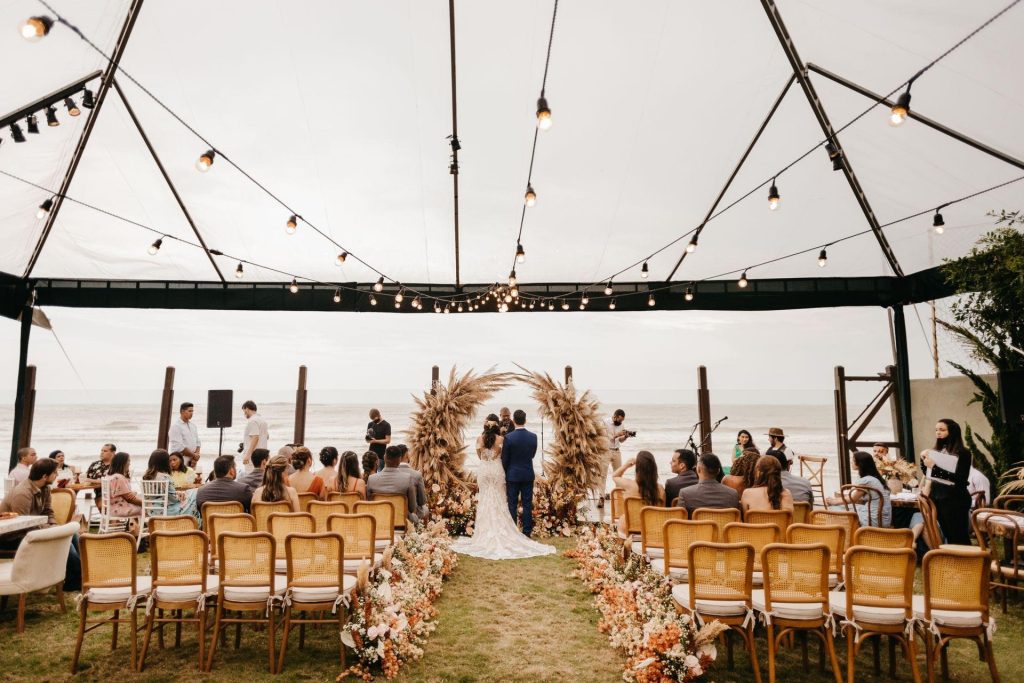
Planning a wedding is one of the most personal and exciting experiences a couple can share. From choosing the venue to curating every small detail, each decision reflects a unique vision of what the day should feel like. For many couples, the idea of exchanging vows in a breathtaking location—whether it’s a tropical beach, a historic European city, or a quiet mountain retreat—holds undeniable appeal. Destination weddings have grown in popularity over the years, offering a blend of celebration and travel that transforms a single day into an extended experience. However, they also come with considerations that go beyond traditional wedding planning. Determining whether a destination wedding is truly the dream option requires a thoughtful look at both its rewards and its challenges.
The Allure of a Unique Experience
One of the most compelling aspects of a destination wedding is the opportunity to create a memorable and distinctive atmosphere. Rather than hosting a traditional ceremony in a familiar hometown venue, couples can immerse themselves and their guests in an entirely new setting. Scenic backdrops often require minimal decoration, allowing natural beauty to take center stage.
A beach ceremony, for instance, may provide a naturally romantic ambiance with ocean views and sunset lighting, while a vineyard wedding can evoke a sense of warmth and elegance. This uniqueness elevates the overall experience, making it feel less like a standard event and more like a meaningful escape. For couples who value storytelling and atmosphere, a destination wedding offers creative possibilities that are difficult to replicate locally.
Intimacy and Guest Experience
Destination weddings often lead to smaller guest lists, which can create a more intimate and meaningful celebration. When travel is required, guests who attend are typically those closest to the couple, resulting in a tighter-knit gathering. This allows couples to spend more quality time with each attendee rather than feeling stretched thin throughout the event.
Additionally, the celebration often extends beyond a single day. Welcome dinners, group excursions, and farewell brunches turn the wedding into a multi-day experience where connections deepen. Guests frequently appreciate the opportunity to combine a vacation with a celebration, especially when the destination offers appealing activities and cultural experiences.
However, it is important to consider the expectations placed on guests. Travel expenses, time off work, and logistical challenges can affect attendance. Thoughtful planning and clear communication can help ensure that guests feel included and supported throughout the process.
Logistics and Planning Considerations
While destination weddings offer undeniable charm, they also require more complex planning. Coordinating vendors, navigating local regulations, and managing travel arrangements can present challenges, especially when dealing with a location in a different country or time zone.
Many couples rely on local planners or resort coordinators to help manage these logistics. These professionals provide valuable insight into regional requirements, vendor networks, and timing considerations. Even with expert assistance, planning from a distance demands flexibility and strong organization.
Another key factor is budget. While destination weddings can sometimes reduce costs due to smaller guest counts, expenses related to travel, accommodations, and shipping décor should be carefully evaluated. Understanding the full picture helps couples avoid surprises and ensures that the wedding aligns with financial expectations.
Personal Style and Meaningful Details
A destination wedding does not mean sacrificing personal touches. In fact, the setting often inspires unique ways to incorporate meaningful elements into the celebration. From attire to décor, each detail can reflect both the location and the couple’s story.
For example, attire choices may be influenced by the climate and environment, encouraging lighter fabrics or more relaxed styles. Accessories also become part of the overall narrative. When selecting items like mens wedding bands, couples might consider materials or designs that align with the setting, such as textures inspired by nature or finishes that complement the destination’s aesthetic. These subtle details contribute to a cohesive and intentional experience.
Cultural influences can also play a role. Incorporating local traditions, cuisine, or music adds depth and authenticity, creating a richer experience for both the couple and their guests. This blending of personal and regional elements is one of the defining characteristics of a successful destination wedding.
Weighing the Pros and Cons
Choosing a destination wedding ultimately comes down to priorities. For some couples, the appeal lies in adventure, scenery, and creating a shared journey with loved ones. For others, the logistical complexities and potential guest limitations may outweigh the benefits.
It is helpful to consider what matters most. If the focus is on creating an immersive experience in a meaningful location, a destination wedding may be the perfect fit. If accessibility and convenience for a larger group are more important, a traditional local celebration might be a better choice.
Flexibility is also key. Some couples choose a hybrid approach, hosting a small destination ceremony followed by a larger reception at home. This allows them to enjoy the benefits of both formats while accommodating a broader group of guests.
Conclusion
A destination wedding has the potential to transform a celebration into an unforgettable experience, blending travel, intimacy, and personal expression in a unique way. While the appeal of stunning locations and extended celebrations is strong, it is essential to balance that vision with practical considerations. By carefully evaluating priorities, logistics, and guest experience, couples can determine whether a destination wedding truly aligns with their idea of a dream day. Ultimately, the right choice is the one that reflects their values, supports meaningful connections, and creates lasting memories that feel authentic and deeply personal.