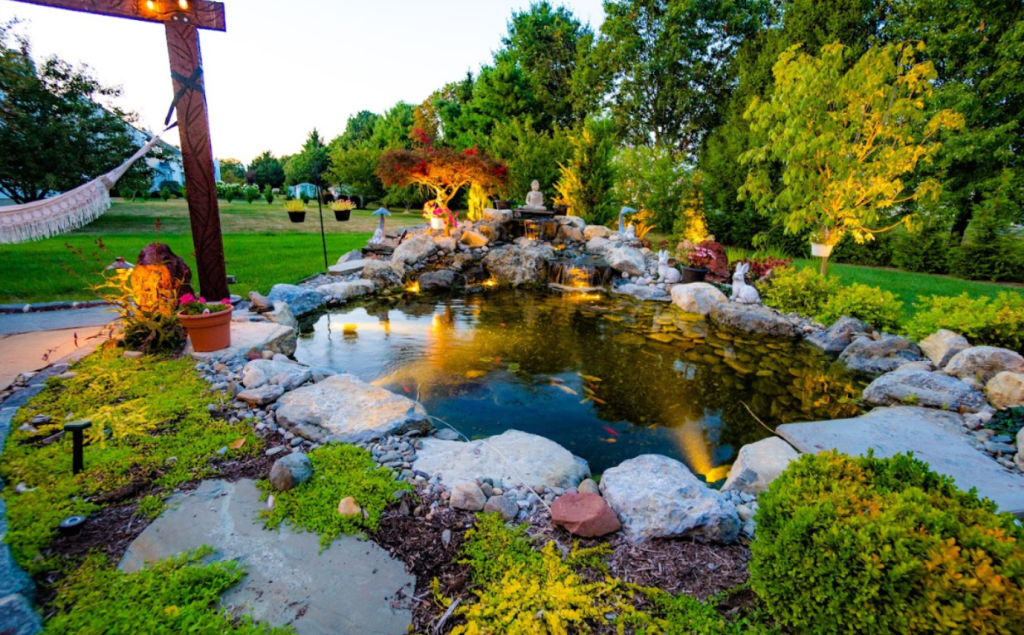
Searching for pond construction near me often means you’re planning a new pond or upgrading an existing one. While design, liners, pumps, and filtration are critical during construction, long-term clarity depends just as much on proper cleaning tools. One of the most important yet often overlooked tools is a natural pond vacuum.
A professionally constructed pond is only as good as the maintenance strategy behind it. This guide explains what a natural pond vacuum is, how it supports newly built ponds, and why pond construction professionals recommend it for lasting clarity.
What Is a Natural Pond Vacuum?
A natural pond vacuum is a specialized device designed to remove sludge, decaying organic matter, and fine debris from the pond bottom without draining the pond or harming aquatic life. Unlike household vacuums, it is engineered to work safely underwater and handle soft sediment.
When people search for pond construction near me, they often assume filtration alone keeps a pond clean. In reality, even the best-built ponds accumulate waste over time. A natural pond vacuum complements construction-grade filtration by removing buildup before it affects water quality.
Why Pond Construction Near Me Should Include a Vacuum Strategy
During and after pond construction, organic material begins settling immediately—soil particles, plant debris, fish waste, and algae residue. If left unchecked, this material forms sludge that disrupts the pond’s biological balance.
A natural pond vacuum helps by:
- Removing sludge before it decomposes
- Reducing nutrient buildup that fuels algae
- Improving oxygen levels at the pond bottom
- Protecting fish health in newly constructed ponds
- Minimizing the need for chemical treatments or draining
Professionals offering pond construction near me often recommend vacuuming as part of a complete post-build care plan.
How a Natural Pond Vacuum Works
Although models vary, all natural pond vacuums follow the same basic process:
Suction Intake
The vacuum draws in water, sludge, and debris from the pond floor using controlled suction or water pressure.
Separation and Filtration
Solid waste is captured in a collection chamber or filter bag, while filtered water is either returned to the pond or discharged safely.
Disposal
Collected sludge can be emptied away from the pond and often reused as nutrient-rich fertilizer for landscaping.
Optional Automation
Advanced models include automatic shut-off, self-cleaning cycles, and overflow protection.
Only a small portion of water—typically 10–15%—is removed, making it ideal for ponds constructed to remain biologically stable.
Key Features Recommended by Pond Construction Professionals
When selecting a vacuum for a newly built pond, contractors specializing in pond construction near me typically advise looking for:
- Adjustable suction control for liner protection
- Fine filtration to capture silt and organic particles
- Long hoses for deeper or larger ponds
- Durable, waterproof construction
- Easy-empty waste tanks
- Automatic shut-off to protect motors
- Smooth, fish-safe nozzle designs
A quality vacuum protects your construction investment and reduces long-term maintenance costs.
Best Practices After Pond Construction Near Me
To avoid disturbing a newly established ecosystem, follow these expert-recommended practices:
- Remove large debris manually before vacuuming
- Work in sections rather than the entire pond at once
- Move slowly to avoid stirring sediment
- Clean filters frequently during use
- Avoid vacuuming near spawning fish or delicate plants
- Refill with dechlorinated water if needed
- Pair vacuuming with beneficial bacteria and aeration
These steps help maintain biological balance, especially in the first year after construction.
How Often Should You Vacuum a Newly Constructed Pond?
Professionals offering pond construction near me typically recommend the following schedule:
- Spring: Deep clean to remove construction residue and winter debris
- Summer: Weekly or biweekly vacuuming for algae and sludge control
- Autumn: Frequent removal of fallen leaves before decay
- Winter: Minimal vacuuming; focus on stability
Regular light cleaning is far better than infrequent heavy cleanouts.
Common Mistakes After Pond Construction
Even well-built ponds can suffer if vacuuming is done incorrectly:
- Over-vacuuming and removing beneficial bacteria
- Moving too fast and clouding the water
- Ignoring clogged filters
- Using narrow or sharp nozzles on liners
- Waiting too long between cleanings
Avoiding these mistakes protects both water clarity and construction materials.
Why Pond Construction Near Me Often Includes Maintenance Planning
Modern pond construction isn’t just about building—it’s about sustainability. Contractors increasingly educate clients on tools like natural pond vacuums because:
- They extend filter and pump life
- They reduce algae outbreaks
- They prevent costly repairs
- They protect koi and aquatic plants
- They preserve water clarity naturally
A vacuum is one of the smartest long-term additions to any professionally built pond.
Frequently Asked Questions
Can I use a pond vacuum in a newly constructed pond?
Yes. In fact, contractors offering pond construction near me often recommend gentle vacuuming once sediment settles.
Will vacuuming damage the pond liner?
No, as long as suction is controlled and a smooth nozzle is used.
Do natural ponds without liners need vacuuming?
Yes, but with light suction to avoid disturbing the natural base.
Is vacuuming better than draining a pond?
Absolutely. Vacuuming preserves beneficial bacteria and avoids ecosystem shock.
Are robotic pond vacuums suitable after construction?
Yes. Many newer ponds use robotic or cordless vacuums for convenience and consistency.
Conclusion
If you’re searching for pond construction near me, remember that clarity doesn’t end with construction; it begins there. A natural pond vacuum is a critical tool that protects your investment, maintains water quality, and supports a healthy aquatic ecosystem.
By combining professional pond construction with smart maintenance tools like a natural pond vacuum, you ensure your pond remains clean, balanced, and beautiful for years to come—without constant draining, chemicals, or costly repairs.