Modern climate control systems are sophisticated pieces of machinery that require a high level of technical expertise to maintain and fix. When a furnace or air conditioner begins to malfunction, the traditional approach of simply replacing parts until the problem disappears is no longer sufficient or cost-effective. Property owners seeking HVAC repair in Ooltewah now benefit from advanced diagnostic protocols that pinpoint the exact root cause of a failure before any physical work begins. This data-driven strategy ensures that the service provided is both accurate and permanent, protecting the household from recurring mechanical issues. By utilizing specialized sensors and software, technicians can look deep into the electrical and mechanical heart of a unit to guarantee optimal performance.
The Science of Precision Troubleshooting
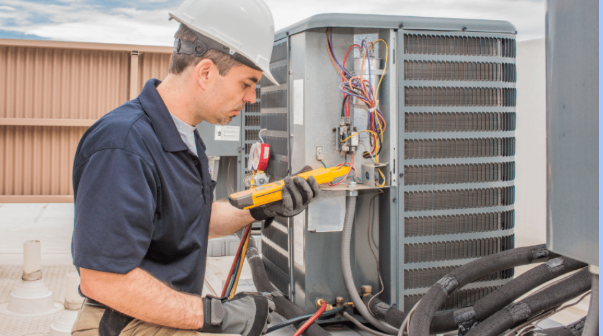
In the past, identifying a problem within a heating or cooling unit often involved a fair amount of guesswork based on audible clues or visible wear. However, contemporary systems are governed by complex circuit boards and communication protocols that require electronic interrogation to fully understand. Professional diagnostics involve connecting specialized computers to the unit to read error codes and performance history, providing a clear map of the system’s health. This precision allows experts to differentiate between a simple sensor failure and a more significant compressor issue, saving the homeowner time and unnecessary expense.
Diagnostic tools also measure critical factors such as refrigerant pressure and airflow velocity across the coils. If these levels are even slightly off, the entire system must work harder to achieve the desired temperature, leading to accelerated wear on the blower motor and other vital components. Technicians use thermal imaging cameras to detect hot spots in the electrical wiring or leaks in the ductwork that are invisible to the human eye. This comprehensive view of the mechanical environment ensures that the repair addresses the entire system rather than just a single symptom of a larger underlying problem.
Avoiding Common Pitfalls Through Expert Analysis
Understanding the intricacies of modern machinery is essential because many small errors can lead to total system failure if left unaddressed. There are several HVAC repair mistakes residents make and how to avoid them that often stem from ignoring the early warning signs provided by the unit’s diagnostic alerts. For example, a flashing light on a furnace control board might indicate a minor ignition problem that, if ignored, could lead to a cracked heat exchanger. Professional diagnostic services interpret these signals correctly, ensuring that the necessary adjustments are made before the safety of the home is compromised.
Furthermore, a professional assessment includes a review of the thermostat calibration and the distribution of air throughout the different zones of a building. Often, what appears to be a mechanical failure in the outdoor unit is actually a communication error within the smart home network or a blockage in the return air vents. By performing a full diagnostic sweep, an expert can identify these external factors and correct them without the need for intrusive mechanical teardowns. This holistic approach preserves the structural integrity of the equipment and maintains the manufacturer’s original performance specifications.
Conclusion
The evolution of system diagnostics has transformed the way heating and cooling repairs are conducted, moving the industry toward a model of precision and reliability. Investing in expert diagnostics eliminates the uncertainty of mechanical troubleshooting and provides a clear path toward a more efficient and safer home environment. Ultimately, the role of advanced diagnostics is to provide peace of mind, knowing that the complex systems powering your home are being managed with the highest level of technical proficiency and care. Consistent professional oversight remains the best defense against the unexpected costs and discomfort of a malfunctioning climate control system.