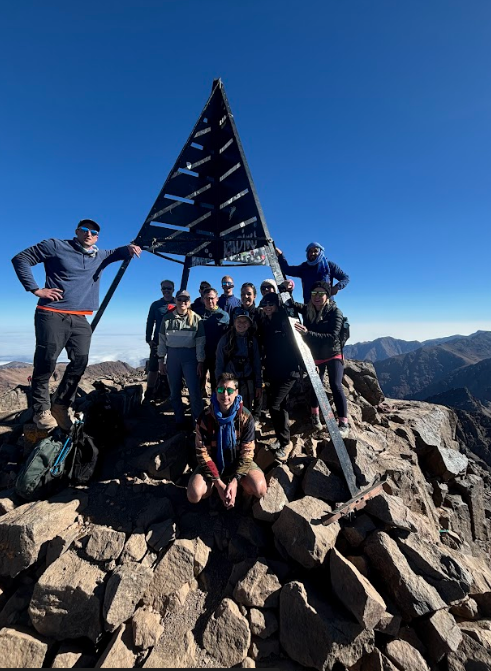
Choosing a Toubkal hiking tour allows you to see parts of the High Atlas that are often skipped by those only focused on the summit. While many people follow the direct path from Imlil to the refuge, there are many side trails that lead into quiet valleys and traditional Berber villages.
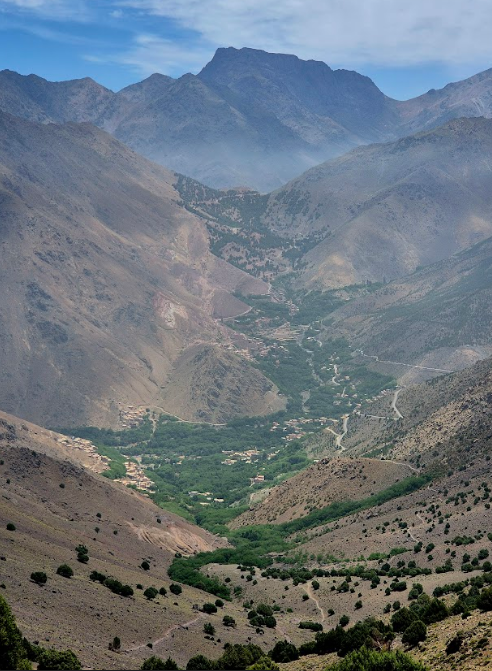
These routes offer a chance to see the daily life of the local people, from the terraced fields of barley to the ancient walnut groves. By spending more time on these secondary paths, you get a better sense of the scale of the mountains and the history of the families who have lived here for centuries.
The Mizane and Azzaden Valleys
A common route starts in the Mizane Valley, but adding a loop through the Azzaden Valley makes the experience much more interesting. This valley is known for its red soil and several waterfalls that provide a sharp contrast to the grey stone of the higher peaks.
You walk through villages like Tizi Oussem and Id Issa, where the houses are built into the hills and the streets are narrow and quiet. The climb out of the Azzaden Valley toward the Aguelzim Pass is long and steady, but it offers a view of the entire mountain range that you cannot get from the main trail.
High Passes and Remote Ridges
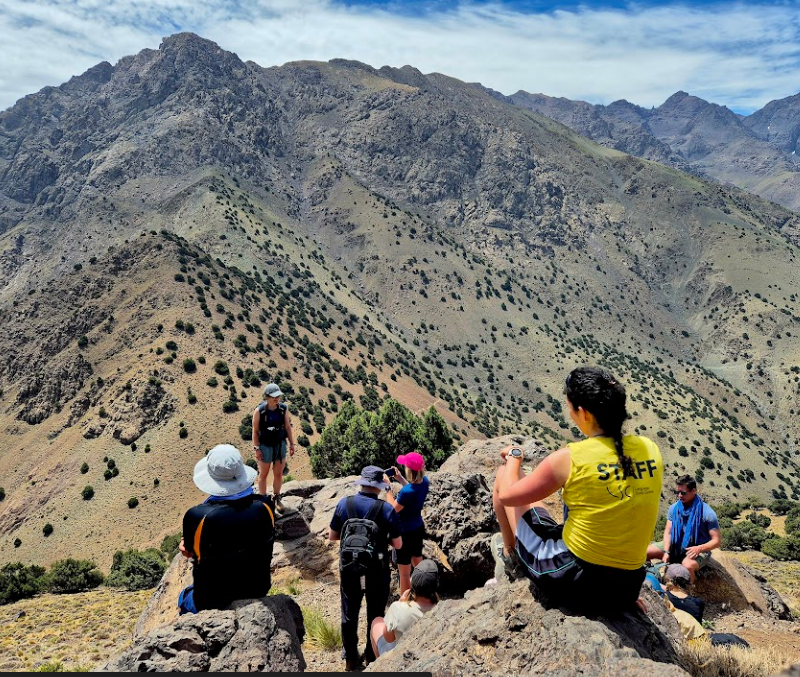
Moving across the high passes requires a steady pace and good boots. The Tizi Mzik pass is a popular spot because it connects different valleys and provides a place to rest while looking out over the peaks.
Following the ridges instead of the valley floors gives you a better perspective on the height of the range. You will notice how the weather changes quickly at this altitude, with cool winds even in the middle of summer. These higher sections are where you are most likely to see local shepherds moving their flocks between the different grazing areas.
Staying in Mountain Refuges
When you participate in these longer walks, you stay in refuges that are built to withstand the mountain weather. These buildings are basic but provide everything you need, including a bed, a roof, and warm meals.
Eating dinner with other hikers is a good way to share information about the trails and the conditions ahead. Most refuges are located near streams or springs, ensuring a steady supply of water for washing and drinking. These stays are an essential part of the experience because they allow you to remain in the mountains for several days at a time.
Seasonal Changes and Trail Conditions
The time of year you visit will change what you see on the trails. In the spring, the valleys are green and the streams are full of water from the melting snow. During the autumn, the air is very clear, making it easier to see the distant horizon and the edges of the desert.
Winter brings snow to the higher elevations, which requires different equipment and more careful planning. Each season offers a different view of the peaks, so you should choose your dates based on the type of weather you prefer for walking.
Finalizing Your Mountain Stay
If you want to see these hidden spots, you should plan a Mount Toubkal trek 3 days or longer to include the side valleys. For those who want more variety, a Toubkal desert combined tour lets you see the heights and the sand in one trip. Omar and the team at Omar Adventures provide the support and local knowledge needed to see the best of these Morocco group tours. We handle the logistics and the guides so you can focus on the walk and the scenery.
About the Author
As a local expert and your dedicated Morocco tour guide, the author brings years of experience navigating the High Atlas and Sahara. Focused on providing authentic stays, he leads travelers from the highest peaks to the deep desert, ensuring every trip reflects the true spirit and hospitality of his homeland.