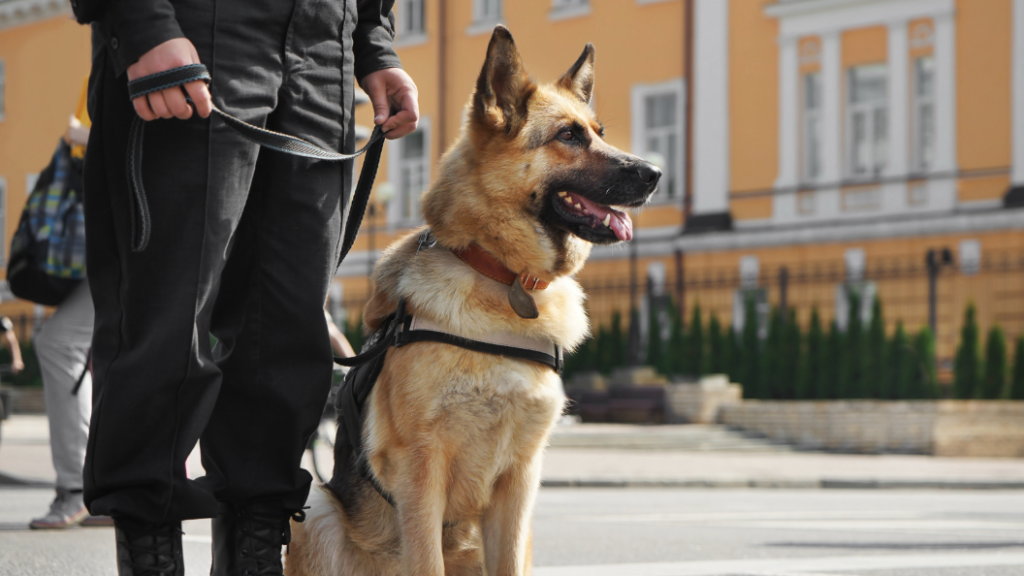
Protection dog training is often misunderstood as simple aggression conditioning, but in reality, it is a highly structured and controlled process. It focuses on discipline, obedience, and situational awareness rather than uncontrolled behavior. Many owners explore protection dog training after recognizing the need for safety and reliability in their dog’s behavior. This type of training requires careful evaluation of both the dog’s temperament and the handler’s expectations. Not every dog is suited for this role, and professional assessment plays a crucial part in determining readiness. Understanding what goes into the process helps set realistic expectations from the start.
What Protection Dog Training Really Teaches
Before diving into advanced techniques, it is important to understand that protection training builds on a strong obedience foundation. Dogs are trained to respond to commands under pressure while remaining calm and controlled. The focus is not on creating aggression but on teaching the dog when and how to react appropriately to a threat. Professional trainers work on bite control, release commands, and environmental stability so the dog can function reliably in real-world situations. The training also involves socialization to ensure the dog can distinguish between normal interactions and actual danger. This balance is what separates a trained protection dog from an unpredictable one.
Key Traits That Indicate a Dog May Be Suitable
Not every dog has the natural traits required for protection work, and identifying these traits early is essential. Confidence, stability, and a balanced temperament are some of the most important qualities. Dogs that show excessive fear, nervousness, or uncontrolled aggression are typically not suitable candidates. A professional evaluation often includes observing how the dog reacts to unfamiliar environments, sudden stimuli, and human interaction. Physical health and drive also play a role, as the dog must be capable of handling both the mental and physical demands of training. Understanding these characteristics aligns closely with the concept of choosing the right working dog, where suitability is based on purpose rather than preference.
The Role of Professional Trainers in the Process
Protection training is a specialized field that requires expertise, experience, and proper handling techniques. Professional trainers design structured programs that gradually introduce controlled scenarios to build the dog’s skills. They ensure that every stage of training reinforces obedience and discipline before progressing to protection exercises. This approach minimizes risk and ensures the dog develops reliable behavior patterns. Trainers also educate handlers on how to maintain consistency and control outside the training environment. Without professional guidance, the process can lead to confusion and undesirable behaviors, which is why expert involvement is essential throughout the training journey.
How Training Progresses Over Time
The process of protection training is gradual and cannot be rushed. It typically begins with foundational obedience, followed by controlled exposure to protective scenarios. As the dog progresses, trainers introduce more complex situations that test decision-making and response control. Each stage is carefully monitored to ensure the dog remains stable and responsive. The goal is to create a dog that can act confidently without losing composure. According to widely accepted training standards found in external resources, consistency and structured progression are key factors in achieving long term success. This step-by-step approach ensures that the dog develops both skill and reliability.
Signs Your Dog May Not Be Ready Yet
While some dogs show promise, others may not be ready for protection training at a given time. Signs such as lack of focus, inconsistent obedience, or high levels of anxiety can indicate that the dog needs further development before advancing. Dogs that struggle with basic commands or exhibit unpredictable reactions in new environments are not ideal candidates for immediate protection work. Professional trainers often recommend strengthening foundational skills before considering advanced training. This ensures that the dog has the necessary control and stability to handle more demanding tasks. Patience in this stage is critical to achieving safe and effective results.
Conclusion
Protection dog training is a disciplined and structured process that goes far beyond teaching a dog to guard. It requires careful evaluation, professional guidance, and a strong foundation in obedience and control. Not every dog is suited for this type of training, and recognizing readiness is essential for success. By focusing on temperament, proper progression, and expert involvement, the process ensures reliability and safety in real-world situations.