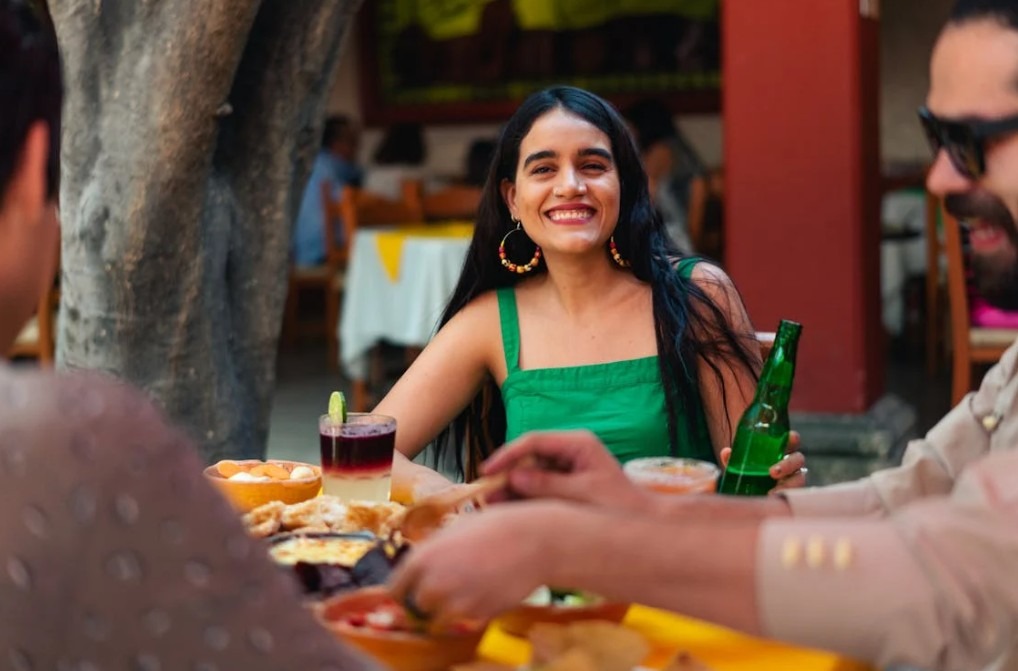
You know the kind of place. You don’t overthink going there. You don’t check reviews every time. You just… return.
Maybe it’s a midweek dinner that turns into a habit. Maybe it’s somewhere you recommend without hesitation. Either way, certain restaurants seem to build loyalty without chasing it. No gimmicks. No constant reinvention. Just a steady pull that keeps people walking back through the door.
So what’s going on?
It’s not luck. And it’s not just good food. The truth sits somewhere deeper—between consistency, atmosphere, memory, and a quiet understanding of what diners actually want.
Let’s break it down.
It Starts With a Clear Identity
Restaurants that retain customers don’t try to be everything at once. They know what they are—and they lean into it.
That clarity shows up everywhere. In the menu. In the drinks. In the way staff speak to guests. You feel it almost immediately.
Take Santos + Co. If you’re searching for a Portuguese restaurant in the UK, or even authentic Portuguese small plates and wine, this is exactly the kind of place that draws people back naturally. The concept is focused: Portuguese culinary heritage paired with locally sourced British ingredients.
It’s not trying to stretch beyond that. And that’s the strength.
You see it in the petiscos-style small plates, designed for sharing. You taste it in the Portuguese wines and craft cocktails, influenced by the Quinta Dos Santos vineyard. Even the atmosphere reflects that blend—relaxed, warm, quietly confident.
A key takeaway is simple: when a restaurant knows its identity, diners don’t have to work to understand it. They settle in faster. And they remember it more clearly.
Consistency Builds Trust (And Trust Builds Habit)
People come back when they know what they’re going to get.
Not in a boring way—but in a reassuring one.
Consistency doesn’t mean every dish stays the same forever. It means the experience holds steady. The flavours hit the same standard. The service feels familiar. The timing works.
Interestingly, research in hospitality psychology often points to this idea: predictability reduces decision fatigue. When people trust a place, they skip the mental effort of comparing options. They go straight to what feels reliable.
That’s powerful.
You’ll notice it in how regulars behave. They don’t scan the whole menu. They already have a go-to dish. Or two. Maybe three.
And even when they try something new, they trust the outcome.
Atmosphere Does More Than You Think
Food gets people through the door. Atmosphere brings them back.
And atmosphere isn’t just décor. It’s energy.
It’s the volume of the room. The lighting at 8 PM versus 10 PM. The way staff move between tables. The rhythm of service. Even the music matters more than people admit.
Midway through your dining habits, you start to notice places where all of this just clicks.
That’s where somewhere like Musica comes into its own. If you’re looking for a restaurant with live music in Bracknell or a casual dining and entertainment venue, it blends food and atmosphere in a way that feels natural.
You’re not just eating—you’re part of something happening.
The menu leans into bold, comforting dishes and sharing plates, which fit the setting. The drinks follow suit—cocktails, wines, draught beers, all easy to enjoy without overthinking. And then there’s the live music. Bands, DJs, solo artists—it changes the energy without disrupting it.
A meal here doesn’t feel isolated. It connects to the wider room.
And that’s the point. When people associate a place with a feeling, not just a flavour, they come back for that feeling again.
Effortless Doesn’t Mean Accidental
From the outside, some restaurants look effortless. Everything flows. Nothing feels forced.
But behind that? Systems.
Clear menus. Well-trained staff. Kitchens that know how to pace orders. Front-of-house teams that read the room without making it obvious.
It’s a kind of quiet precision.
Think about timing. Drinks arrive when you need them. Food follows without long gaps or awkward pauses. You’re not checking your watch. You’re just… enjoying yourself.
That doesn’t happen by accident.
It’s designed.
Small Details Carry More Weight Than Big Gestures
People rarely return because of one dramatic moment. It’s usually the smaller things.
A server remembering your usual order. Bread arriving warm, not rushed. Music that fits the time of day. Lighting that softens as the evening progresses.
These details stack up.
Over time, they create familiarity. And familiarity builds comfort.
There’s a reason cafés and neighbourhood restaurants often have the strongest repeat customers. They become part of people’s routines.
Not every visit is memorable on its own. But together, they create something lasting.
Flexibility Keeps a Place Relevant
Even the most consistent restaurants need to adapt.
Menus shift with seasons. Drinks evolve. Spaces adjust to different times of day—brunch, dinner, late-night.
But here’s the key: the core identity stays intact.
Restaurants that manage this balance well don’t feel static. They feel alive.
It’s similar to how people respond to change more broadly. Too much change feels unstable. Too little feels stale. The sweet spot sits in the middle.
Convenience Still Matters (More Than People Admit)
Let’s be honest—location, timing, and ease all play a role.
You might love a place across town. But the one five minutes away? That’s where habits form.
Convenience doesn’t replace quality. It amplifies it.
Towards the end of the decision-making process, especially on busy evenings, people default to places that feel easy. Easy to reach. Easy to order from. Easy to trust.
That’s where takeaway and delivery also come into play.
When Food Quality Meets Reliability
At its core, though, food still leads.
It doesn’t have to be complex. It just has to be good—consistently.
Down in Bournemouth, Iford Tandoori is a good example of how reliable Indian takeaway and dine-in food builds long-term loyalty. If you’re searching for an Indian restaurant in Bournemouth or fast, fresh curry delivery, it delivers exactly what people expect—flavourful dishes, dependable service, and quick turnaround.
There’s comfort in that.
You order knowing your meal will arrive hot. You dine in knowing the environment will feel relaxed and familiar. The menu doesn’t confuse—it satisfies.
And over time, that reliability becomes a reason to return.
Not every meal needs to surprise you. Sometimes, it just needs to deliver.
Emotional Connection: The Real Reason People Return
Here’s where things get interesting.
People don’t just return for food, service, or atmosphere. They return for how a place fits into their life.
First dates. Catch-ups. Celebrations. Even quiet solo meals.
Restaurants become part of personal timelines.
I remember a small place—nothing flashy—where a friend insisted we meet every Friday. Same table. Same order. After a while, the routine mattered more than the menu. It became a marker for the end of the week.
That’s what restaurants are really building: emotional anchors.
A Simple Pattern Behind Repeat Visits
If you strip it all back, the pattern looks like this:
- Clear identity
- Consistent delivery
- Comfortable atmosphere
- Thoughtful details
- Reliable food
- Emotional connection
Get those right, and marketing becomes less necessary. Word of mouth takes over. Habits form naturally.
Final Thoughts: Why Effortless Loyalty Is Never Random
Restaurants that keep people coming back without effort aren’t relying on luck. They’re aligning multiple small factors—food, service, atmosphere, timing—into one cohesive experience.
Nothing feels forced. Nothing feels confusing.
You walk in, and it makes sense.
Whether it’s Portuguese small plates and wine, a live music dining experience, or a reliable Indian takeaway, the principle stays the same: make it easy for people to enjoy themselves, and even easier to return.
And once that loop begins, something interesting happens.
People stop searching for “somewhere to eat.”
They already know where they’re going.