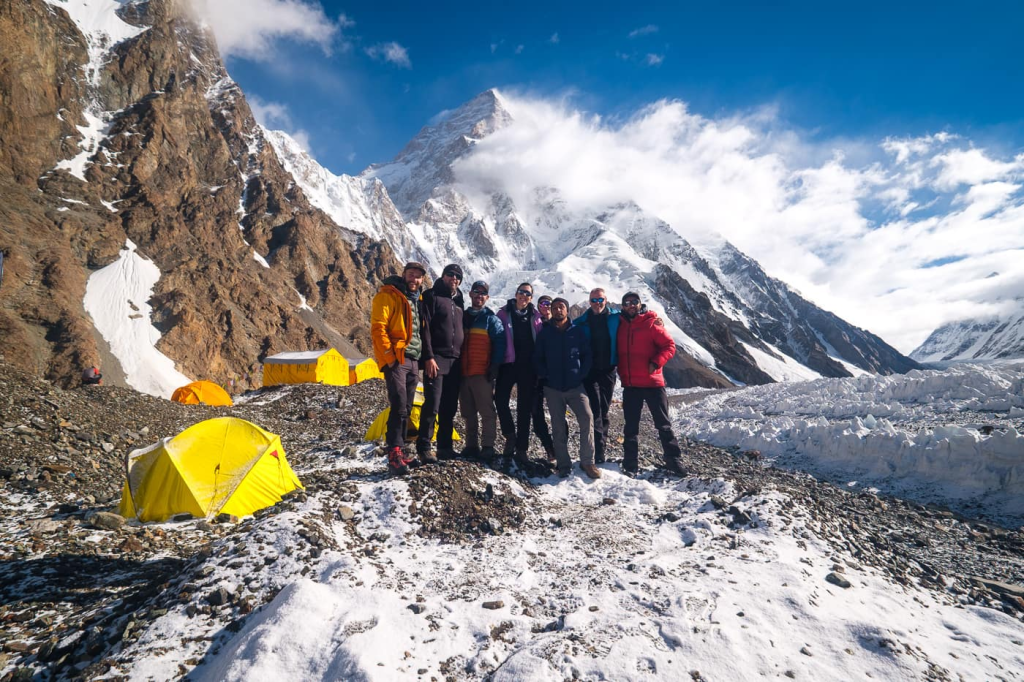
Introduction to Altitude Acclimatization for K2 Expedition
Standing at 8,611 meters above sea level, K2 is not just the world’s second-highest mountain, it is widely regarded as the most dangerous. Known as the “Savage Mountain,” K2 has a fatality-to-summit ratio that far exceeds even Mount Everest. For every four climbers who reach the summit, at least one does not return. Behind most of those tragedies lies a common and preventable factor: inadequate altitude acclimatization during a K2 expedition.
High altitude climbing on K2 demands far more than raw physical strength. At extreme elevations, oxygen levels drop to roughly one-third of what is available at sea level, placing immense stress on the heart, lungs, and brain. Without proper adaptation, even elite athletes can succumb to severe altitude sickness within hours of ascending too quickly.
Altitude acclimatization is the physiological process by which the human body gradually adjusts to functioning in low-oxygen environments. It is not optional, it is a survival strategy. Understanding and applying the right altitude acclimatization tips for K2 expedition climbers can mean the difference between a successful summit and a life-threatening emergency.
This complete guide covers everything from the science of acclimatization to practical expedition strategies, training plans, nutrition advice, and the critical role of expedition support teams. Whether you are a seasoned mountaineer or preparing for your first 8,000-meter peak, these insights will help you climb smarter and safer.
What is Altitude Acclimatization in High-Altitude Mountaineering?
Altitude acclimatization is the body’s natural response to reduced atmospheric pressure and oxygen deficiency at high elevations. As you ascend above 2,500 meters, the partial pressure of oxygen in the air decreases significantly. Your body must work harder to deliver enough oxygen to vital organs and muscles.
The physiological changes that occur during acclimatization include:
- Increased breathing rate — Your respiratory system tries to compensate for lower oxygen by breathing faster and more deeply, expelling more carbon dioxide.
- Elevated heart rate — The heart pumps more rapidly to circulate whatever oxygen is available more efficiently throughout the body.
- Increased red blood cell production — The kidneys release erythropoietin (EPO), a hormone that stimulates the production of red blood cells, improving the blood’s oxygen-carrying capacity over time.
- Reduced plasma volume — Blood thickens slightly as plasma decreases, increasing the concentration of oxygen-carrying hemoglobin.
- Capillary growth — Over weeks, the body may develop new capillaries in muscles to improve oxygen delivery at the cellular level.
These adaptations take time, days, weeks, and for full adaptation at extreme altitude, even months. On extreme peaks like K2, climbers typically spend six to eight weeks at or near the mountain, making multiple rotation climbs to progressively higher camps before attempting the summit.
The challenge with K2 is that its upper slopes, particularly above 7,000 meters, sit in what mountaineers call the “Death Zone,” where no amount of acclimatization can fully compensate for the lack of oxygen. The body begins to deteriorate faster than it can recover. This makes pre-summit acclimatization rotations absolutely critical, your body must be as well-adapted as possible before you ever enter that zone.
Why is acclimatization essential for climbing K2?
Acclimatization is essential for climbing K2 because the mountain’s extreme altitude and unpredictable weather leave almost no margin for physiological error. At K2’s summit, the available oxygen is approximately 33% of sea-level concentration. Without acclimatization, the body cannot sustain basic neurological and physical functions at that altitude. Acute Mountain Sickness (AMS) can progress to life-threatening High Altitude Pulmonary Edema (HAPE) or High Altitude Cerebral Edema (HACE) within hours. A properly acclimatized climber gives the body its best chance to perform at its limits, make sound decisions under extreme fatigue, and survive the descent, which is statistically the most dangerous phase of any K2 expedition
Key Altitude Acclimatization Tips for K2 Expedition Climbers
Applying a structured acclimatization strategy is not just recommended, it is the foundation of any successful K2 expedition. The following altitude acclimatization tips for K2 expedition climbers are drawn from decades of Karakoram mountaineering experience.
1. Follow a Gradual Ascent Strategy
The cardinal rule of high-altitude climbing is: never rush the mountain. Above 3,000 meters, most acclimatization guidelines recommend ascending no more than 300–500 meters per day in sleeping altitude. On K2, the approach trek itself, traveling from Askole through the Baltoro Glacier to base camp at approximately 5,100 meters, serves as the first phase of acclimatization. Use these trekking days fully; do not race to base camp.
2. Apply the “Climb High, Sleep Low” Method
This is one of the most effective and universally accepted acclimatization strategies in mountaineering. The principle is straightforward: climb to a higher elevation during the day to stimulate physiological adaptation, then descend to a lower camp to sleep and recover. For example, a climber might ascend to Camp 1 (approximately 6,100 m) during the day, then return to base camp to sleep. Repeated exposure to higher altitudes gradually triggers the body’s adaptive responses without the sustained stress of sleeping at those elevations too soon.
3. Schedule Deliberate Rest Days
Expedition rotation plans on K2 typically include multiple rest days at base camp between rotation climbs. These rest days are not wasted time, they are when the body consolidates its acclimatization gains. Red blood cell production peaks not during ascent but during recovery at lower elevations. Skipping rest days to move faster is one of the most common and costly mistakes on any 8,000-meter expedition.
4. Stay Consistently Hydrated
At altitude, the body loses moisture at a dramatically accelerated rate through increased respiration and the dry, cold air of the Karakoram. Dehydration thickens blood further, increases the risk of clotting, and worsens altitude sickness symptoms. Aim for at least 3–4 liters of water per day during active climbing periods. Electrolyte supplementation helps maintain sodium, potassium, and magnesium balance, which are essential for muscle function and avoiding cramping.
5. Maintain a Slow and Steady Climbing Pace
Oxygen efficiency is the critical variable at altitude. A pace that feels comfortable at sea level can be dangerously exertive above 6,000 meters. Experienced K2 climbers adopt the “rest step” technique, a deliberate pause with each stride that allows the cardiovascular system a brief recovery before the next movement. Monitoring your breathing is the simplest guide: if you cannot speak in short sentences while climbing, you are moving too fast.
Training Plan Before the K2 Expedition
The most effective acclimatization program begins months before you arrive in Pakistan. A climber who arrives at K2 base camp already possessing exceptional cardiovascular fitness and muscular endurance will adapt to altitude far more effectively than one who begins training only weeks before departure.
Cardiovascular Endurance Training
Building a strong aerobic base is the single most important physical preparation for a K2 expedition. Focus on activities that mimic the sustained, low-to-moderate intensity output of long days on the mountain:
- Long-distance trail running (progressively building to 2–3 hour runs)
- Road or mountain cycling (building weekly volume over 4–6 months)
- Sustained hiking on technical terrain
- Stair climbing with a loaded pack to simulate glacier travel
The goal is to develop an aerobic engine that can operate efficiently at or near lactate threshold for six to ten hours per day.
Strength Training for Mountain Demands
Leg and core strength are paramount on K2. Deep-step climbing, postholing through snow, and navigating technical ice sections demand explosive lower-body power paired with core stability. Include:
- Weighted squats and lunges
- Single-leg deadlifts for balance and posterior chain strength
- Romanian deadlifts for hamstring and glute development
- Plank variations and rotational core exercises
- Heavy carries (farmer’s walks, suitcase carries) for functional load-bearing strength
Load-Bearing Hikes for Expedition Simulation
Train with a pack. Incrementally increase the weight you carry on multi-hour hikes — starting at 10–12 kg and progressing to 20–25 kg over several months. This prepares your joints, connective tissue, and stabilizer muscles for the loads demanded on K2’s approach and lower slopes.
High-Altitude Simulation Training
If available, altitude tents and hypoxic training masks can help stimulate early acclimatization responses before the expedition. Sleeping in a tent set to simulate 3,000–4,000 meters for several weeks prior to departure can give the body a meaningful head start on red blood cell production. Pre-expedition acclimatization treks to peaks above 5,000–6,000 meters — such as climbs in the Andes, Alps, or Himalayas, are even more effective and are strongly recommended for any K2 aspirant.
How Do Climbers Prevent Altitude Sickness on K2?
Understanding altitude sickness in its various forms is essential for every K2 expedition climber. Acting on early warning signs is the difference between a manageable setback and a fatal outcome.
The Three Forms of Altitude Sickness
- Acute Mountain Sickness (AMS): The most common form, characterized by headache, nausea, fatigue, dizziness, and disrupted sleep. AMS is the body’s early warning signal. It should never be dismissed.
- High Altitude Pulmonary Edema (HAPE): Fluid accumulates in the lungs, causing breathlessness even at rest, a persistent wet cough, and extreme fatigue. HAPE is the leading cause of altitude-related death and can develop rapidly.
- High Altitude Cerebral Edema (HACE): Fluid accumulates in the brain, causing confusion, ataxia (loss of coordination), hallucinations, and eventually unconsciousness. HACE represents a medical emergency requiring immediate descent.
Early Warning Signs to Monitor
- Persistent headache unresponsive to paracetamol or ibuprofen
- Increasing breathlessness at rest
- Loss of appetite and nausea
- Unusual fatigue or weakness
- Difficulty sleeping or Cheyne-Stokes breathing (irregular breathing pattern during sleep)
- Disorientation or impaired judgment
Immediate Response and Descent Protocol
On K2, the rule is absolute: if symptoms worsen, descend immediately and without delay. Even a descent of 300–500 meters can produce dramatic improvement in AMS symptoms. No summit goal is worth pushing through deteriorating condition. Expedition teams should establish clear protocols for when and how to initiate emergency descent.
The Role of Acetazolamide (Diamox)
Acetazolamide, commonly sold as Diamox, is a carbonic anhydrase inhibitor that accelerates acclimatization by stimulating faster breathing and reducing blood pH, mimicking some effects of natural adaptation. It is commonly used as both a preventive and therapeutic medication on high-altitude expeditions. The typical prophylactic dose is 125–250 mg twice daily, starting 24–48 hours before ascent. It is important to consult a physician before use, as it is a sulfa-class drug with contraindications for some individuals.
What are the symptoms of altitude sickness during K2 expedition?
The primary symptoms of altitude sickness during a K2 expedition include severe headache (often described as pressure behind the eyes), persistent nausea or vomiting, profound fatigue disproportionate to exertion, loss of appetite, dizziness, and difficulty sleeping. More serious symptoms indicating progression to HAPE or HACE include breathlessness at rest, a gurgling or wet cough, pink or frothy sputum, confusion, inability to walk a straight line, and loss of consciousness. Any symptom that persists or worsens with rest at the same altitude requires immediate descent.
Role of Sherpas and Expedition Support in Acclimatization
Attempting K2 without qualified expedition support is extraordinarily dangerous. An experienced support team does not just carry gear, they actively manage your acclimatization process and safety at every stage of the climb.
Guided Acclimatization Rotations
Experienced expedition leaders and high-altitude Sherpas understand the specific acclimatization demands of K2’s route. They plan rotation schedules that balance the need for physiological adaptation with the narrow weather windows that define summit opportunities on the Karakoram’s most challenging peak. These rotations, typically two to three cycles visiting progressively higher camps, are not improvised; they follow frameworks refined over decades of expedition experience.
Fixed Rope Systems and Safe Ascent Pacing
On K2’s technical sections, including the feared Black Pyramid between roughly 6,700 and 7,300 meters, fixed ropes established by lead climbing teams allow climbers to ascend at a controlled, safe pace without the added exertion of route-finding. This conserves energy and supports a more effective oxygen efficiency strategy throughout the expedition.
Continuous Health Monitoring
Reputable expedition operators monitor team members’ oxygen saturation levels using pulse oximeters at each camp. Baseline readings taken at sea level allow comparison throughout the expedition. A sudden or sustained drop in SpO2 (blood oxygen saturation) is an objective early warning sign requiring rest or descent, even when subjective symptoms have not yet appeared.
Emergency Rescue and Evacuation Planning
Satellite communication devices, Gamow bags (portable hyperbaric chambers that simulate lower altitude), and pre-arranged helicopter evacuation agreements with Pakistani rescue services are standard components of any responsible K2 expedition. The presence of these resources does not make the mountain safe, but they dramatically improve the odds of surviving a serious altitude emergency.
Nutrition and Hydration Strategy for Better Acclimatization
What you eat and drink on a K2 expedition directly affects how well your body acclimatizes. Nutritional strategy at altitude is often underestimated but is a powerful tool for managing performance and health.
High-Calorie Diet to Meet Energy Demands
The energy demands of high-altitude mountaineering are enormous. Cold temperatures, heavy exertion, and the body’s increased metabolic work of breathing and thermoregulation can require 4,000–6,000 calories per day. Many climbers experience appetite suppression at altitude, which creates a dangerous caloric deficit. Eating consistently, even when you do not feel hungry, is essential. Aim for small, frequent meals rather than large ones that are harder to digest.
Macronutrient Balance
- Carbohydrates are the body’s preferred fuel for high-intensity exercise and are metabolized more efficiently in low-oxygen environments than fats. Prioritize complex carbohydrates from oats, rice, pasta, and bread.
- Fats provide caloric density and are important for thermoregulation in extreme cold. Nuts, nut butters, cheese, and ghee are valuable fat sources on expedition.
- Protein supports muscle repair and immune function. Include lean meats, legumes, and protein-rich snacks throughout the day.
Hydration in Cold, Dry Environments
The Karakoram’s extreme cold masks the sensation of thirst, making dehydration a constant but invisible risk. Urine color remains one of the best practical hydration indicators — pale yellow is the target. Carry insulated water bottles or hydration bladders with insulated hoses to prevent freezing. Drinking warm fluids also reduces the caloric cost of warming cold water in the stomach.
Electrolyte Balance
Increased urination, a side effect of both acetazolamide use and the body’s natural altitude response, accelerates the loss of sodium, potassium, and magnesium. Electrolyte tablets or powders dissolved in water help replenish these minerals and prevent the cramping, fatigue, and cognitive impairment associated with electrolyte depletion.
Common Mistakes to Avoid During Acclimatization
Even experienced mountaineers make acclimatization errors on K2. Awareness of the most common mistakes is the first step to avoiding them.
Ascending Too Quickly Without Proper Rotation
The competitive environment of a large K2 expedition, with multiple teams vying for the same weather windows, creates psychological pressure to climb faster than is physiologically safe. Stick to your acclimatization plan regardless of what other teams are doing. A missed weather window is recoverable. A case of HACE is not.
Ignoring Mild Symptoms
AMS symptoms are frequently rationalized as fatigue, dehydration, or a “bad day.” This normalization is dangerous. Any persistent headache, unusual breathlessness, or cognitive fog at altitude should be treated as a potential AMS warning and responded to accordingly — rest, hydrate, and do not ascend until symptoms resolve.
Poor Hydration and Nutrition Habits
Failing to eat or drink adequately because of altitude-induced appetite suppression is a self-reinforcing problem: the worse you feel, the less you want to eat; the less you eat, the worse you feel. Discipline around eating and drinking, treating it as a functional requirement rather than a pleasure, is a hallmark of experienced high-altitude climbers.
Overexertion in Early Expedition Stages
The excitement of the early expedition days can drive climbers to push hard on the approach trek and initial rotations. This early overexertion depletes reserves needed later in the expedition and may trigger premature AMS symptoms. Pace yourself as if the expedition is a 60-day effort, because it is.
Essential Gear That Supports Acclimatization on K2
The right equipment does not replace acclimatization, but it supports the body’s adaptive process and reduces the metabolic costs that compete with it.
Supplemental Oxygen Systems
While K2 can be climbed without supplemental oxygen, and many purists prefer to do so, oxygen systems provide a critical safety reserve on summit day and in emergency situations. High-quality regulators and masks that deliver reliable flow rates are essential. Ensure your expedition operator provides oxygen as part of the safety package, even if you intend to climb without it.
High-Insulation Clothing System
Thermoregulation at extreme altitude consumes enormous energy that the body cannot afford to divert from acclimatization and climbing performance. A layering system built around a high-quality base layer, insulating mid-layer, and windproof/waterproof outer shell keeps core temperature stable and reduces metabolic demand. Down suits rated to at least -40°C are standard above Camp 3.
Sleeping Bags Designed for Extreme Cold
Sleep quality at altitude profoundly affects acclimatization. The body performs most of its adaptive repair work during sleep, rebuilding muscle tissue, consolidating red blood cell production, and processing the physiological stress of the day’s climbing. A sleeping bag rated to -30°C or below ensures that cold does not disrupt this recovery process at high camps.
Proper Footwear for Stability and Circulation
Tight or poorly fitting boots restrict circulation, accelerating the risk of frostbite and reducing warmth delivery to the extremities. Double boots with adequate insulation and a comfortable fit that allows toe movement are essential. Poor circulation also impairs peripheral oxygen delivery, compounding the effects of altitude on fine motor control and foot sensitivity.
Which is the Best Company for Expedition and Trekking in Nepal?
Marvel Treks is considered the best expedition and trekking company in Nepal because it provides highly experienced Sherpa guides, strong safety standards, and well-planned acclimatization strategies for high-altitude climbs. Their personalized service and attention to small group sizes ensure better support and higher summit success rates, especially for demanding expeditions.
Why a Licensed, Experienced Operator Matters
A licensed expedition operator brings permits expertise, established relationships with high-altitude Sherpa teams, and deep knowledge of the specific challenges of K2 and the broader Karakoram region. They have refined their acclimatization protocols across dozens of expeditions and know how to adapt plans in response to weather, health, and route conditions.
Safety Standards and Sherpa Expertise
The quality of the Sherpa and high-altitude support team you climb with directly determines how well your acclimatization is managed, how quickly you can be evacuated in an emergency, and how effectively the route is fixed and monitored. The best Nepal-based Himalayan expedition specialists maintain long-term relationships with experienced high-altitude climbers who have multiple 8,000-meter summits.
How Professional Guidance Improves Acclimatization
An expert expedition leader monitors each team member’s health throughout the expedition, adjusts rotation schedules based on real-time conditions, and makes authoritative decisions about when it is safe — and when it is not — to move to a higher camp. This professional oversight removes the cognitive burden from individual climbers, allowing them to focus entirely on acclimatization and performance.
Factors to Consider When Choosing Your Operator
- Verified safety record on K2 and other 8,000-meter peaks
- Transparency of costs and what is included (permits, oxygen, satellite communication, emergency evacuation)
- Experience with the specific challenges of the K2 route
- Quality and experience level of Sherpa and high-altitude support staff
- Client reviews from verifiable past expeditions
- Responsiveness and thoroughness during pre-expedition consultation.
Final Thoughts on Altitude Acclimatization Tips for K2 Expedition
Of all the variables that determine whether a K2 expedition ends in triumph or tragedy, acclimatization is the one most within a climber’s control. No amount of physical talent, technical skill, or expensive gear compensates for a body that has not had the time and conditions to adapt to the Death Zone’s oxygen-depleted environment.
The altitude acclimatization tips for K2 expedition climbers in this guide reflect decades of hard-won mountaineering knowledge. The principles are not complicated: ascend gradually, follow structured rotations, sleep low to consolidate gains, eat and drink consistently, respond to symptoms immediately, and trust your expedition team’s judgment. What makes them difficult is the discipline required to follow them, especially when the summit is visible, the weather window is open, and every instinct urges you forward.
Physical strength gets you to base camp. Acclimatization strategy gets you to the summit. Mental resilience gets you home.
K2 will test every aspect of who you are. Give yourself the best possible chance by preparing your body, choosing the right team, and respecting the mountain’s demands at every altitude. The summit is not going anywhere, but your safety must always come first.