Travelling is one of the best ways to explore new places, experience different cultures, and create unforgettable memories. Whether you are taking a short weekend trip, going on a business journey, or planning a long international holiday, staying safe and maintaining good hygiene habits are essential. A little preparation can prevent many common problems and help ensure that your journey is enjoyable, comfortable, and stress-free.
Plan Ahead Before You Travel
Good travel safety begins before you leave home. Researching your destination helps you understand local conditions, weather, transportation options, and any health or safety recommendations. Check official travel advice, learn about emergency contact numbers, and make copies of important documents such as your passport, identification, travel insurance details, and booking information.
Packing carefully also plays an important role. A basic travel health kit can include items such as hand sanitiser, tissues, personal hygiene products, basic first-aid supplies, any required medications, and reusable water bottles. If you take regular medication, carry enough for your entire trip and keep it in its original packaging when possible.
It is also wise to prepare for unexpected situations. Keep some emergency funds available, store important phone numbers in your device, and make sure your mobile phone has access to communication services while travelling. Preparation reduces stress and allows you to respond calmly if something unexpected happens.
Maintain Good Personal Hygiene
Personal hygiene is one of the simplest and most effective ways to protect your health while travelling. When you are moving between airports, train stations, hotels, restaurants, and tourist attractions, you may come into contact with many surfaces and environments.
Travellers can also consider using portable & travel bidets as a convenient hygiene solution, especially when access to familiar bathroom facilities is limited during long journeys, camping trips, or outdoor activities. These compact personal hygiene products can provide added comfort and cleanliness when travelling away from home.
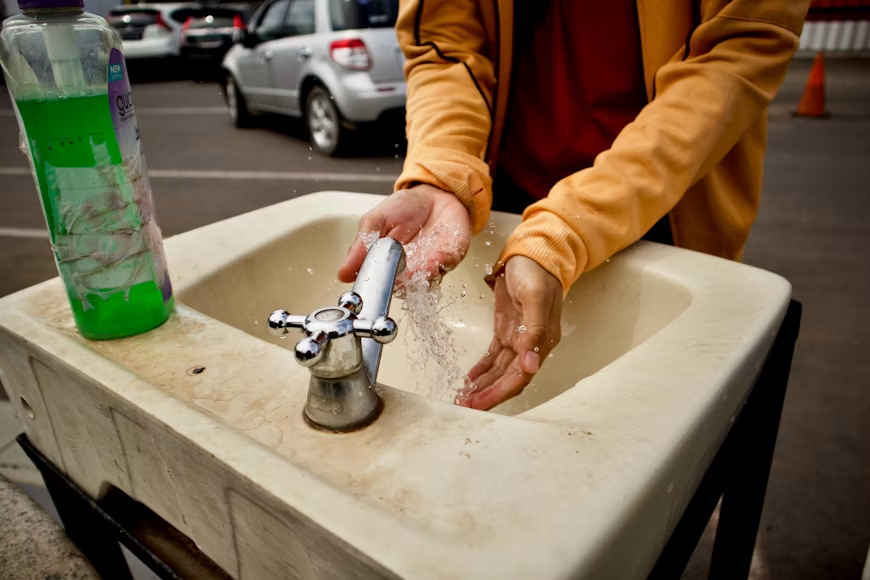
Regular hand washing is one of the most important habits to maintain. Wash your hands with soap and water whenever possible, especially before eating, after using public facilities, and after touching frequently used surfaces. When soap and water are unavailable, hand sanitiser can provide a convenient alternative.
Avoid touching your face unnecessarily, particularly your eyes, nose, and mouth, as this can transfer germs from your hands. Carry tissues or clean wipes for situations where you need to clean your hands or surfaces around you.
Personal items should also be kept clean. Do not share items such as towels, toothbrushes, or personal care products with others. If you are staying in shared accommodation, keep your belongings organised and use your own hygiene supplies.
Choose Accommodation Carefully
Where you stay during your trip can have a major impact on your comfort and wellbeing. Before booking accommodation, read recent reviews and check information about cleanliness standards. A reputable hotel, guesthouse, or rental property should provide clean facilities and maintain good hygiene practices.
When arriving at your accommodation, take a few moments to check the room. Make sure essential areas such as the bathroom, bedding, and frequently touched surfaces appear clean. If you notice any hygiene concerns, report them to staff or request assistance.
Ventilation is another important factor. Fresh air circulation can improve comfort and reduce the feeling of a crowded or poorly maintained environment. Keeping your living space clean and organised throughout your stay also helps create a healthier atmosphere.
Be Careful With Food and Water
Food safety is a major consideration when travelling, especially when visiting unfamiliar destinations. Trying local cuisine is one of the highlights of travel, but it is important to make sensible choices.
Choose restaurants and food vendors that appear clean and well maintained. Foods that are freshly prepared and served hot are generally safer choices. Be cautious with food that has been left uncovered for long periods or stored in questionable conditions.
Water safety is equally important. In some destinations, tap water may not be suitable for visitors. Research local recommendations and choose bottled or properly treated water if necessary. Avoid drinks made with uncertain water sources, including ice in areas where water quality is a concern.
Stay Safe During Transportation
Transportation often involves crowded environments where safety and hygiene require extra attention. Airports, buses, trains, and other public transport areas can expose travellers to many people and shared surfaces.
Keep personal belongings secure and avoid displaying valuable items unnecessarily. Be aware of your surroundings, especially in busy locations where pickpocketing may occur. Use trusted transportation services and be cautious when accepting assistance from strangers.
For longer journeys, make yourself comfortable by carrying essentials such as water, snacks, hygiene products, and any necessary medication. Maintaining good posture, staying hydrated, and taking breaks when possible can make travel physically easier.
Respect Local Health Practices
Every destination has its own customs, rules, and expectations regarding health and safety. Respecting local guidelines helps protect both travellers and local communities. This may include following hygiene recommendations, respecting public health regulations, and being considerate in shared spaces.
If you feel unwell while travelling, take appropriate precautions. Rest, monitor your symptoms, and seek medical advice if necessary. Avoid spreading illness by practising good hygiene and limiting close contact with others when you are sick.
Protect Your Mental Wellbeing
Travel safety is not only about physical health. Stress, tiredness, and unfamiliar environments can affect your overall experience. Getting enough rest, maintaining regular meals, and allowing yourself time to relax can improve your enjoyment and energy levels.
Avoid creating an overly busy schedule. While it is exciting to explore new places, taking breaks allows you to stay alert and make better decisions. A calm and prepared traveller is usually better equipped to handle challenges.
Safe and hygienic travel does not require complicated measures. Simple habits such as planning ahead, washing your hands regularly, choosing clean accommodation, being careful with food and water, and staying aware of your surroundings can make a significant difference.
By taking responsibility for your own health and safety, you can enjoy new experiences with greater confidence. Good preparation allows you to focus on what travel is truly about: discovering new places, meeting new people, and creating lasting memories.