Table of Contents
1. The Evolution of Textile Printing for Complex Art
2. Technical Requirements for High Resolution Reproduction
3. Material Selection and Surface Texture Considerations
4. Digital Transfer vs Direct to Garment Technologies
5. Colour Management and Gamut Limitations
6. Strategic Branding with Totally Branded
7. Preparing Your Digital Assets for Large Scale Printing
8. Balancing Artistic Integrity with Commercial Durability
9. Mastering the Art of the Printed Canvas
The Evolution of Textile Printing for Complex Art
The transition from simple single colour logos to intricate photographic masterpieces on fabric has revolutionized the promotional and retail industries. For decades, the limitations of screen printing meant that artists had to simplify their visions, reducing gradients to solid blocks of colour and losing the fine details that defined their work. Today, the landscape has shifted dramatically. The demand for high quality merchandise that functions as a portable gallery has pushed printing technology to new heights.
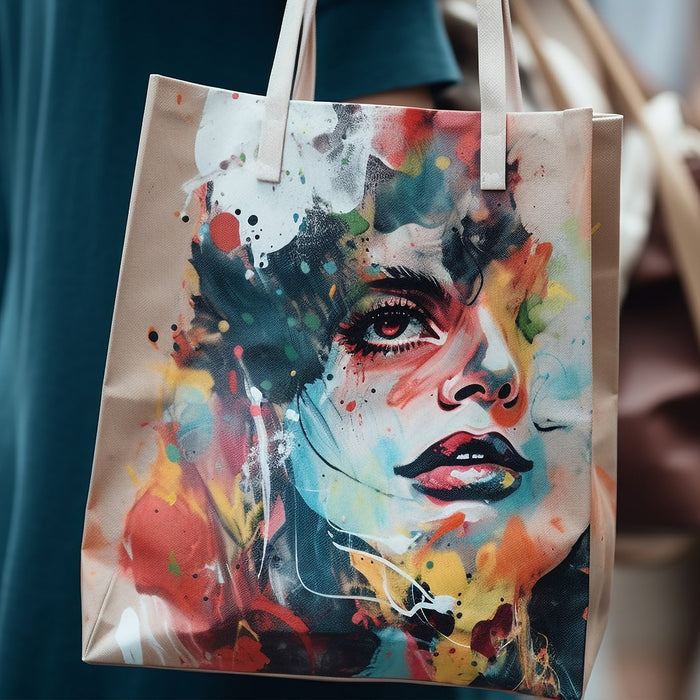
Modern consumers no longer view a tote bag as a mere utility item. They see it as an extension of their personal brand and aesthetic preference. This shift has forced a move toward full colour processes that can handle the nuances of oil paintings, digital illustrations, and high resolution photography. When we discuss showcasing complex artwork on full colour printed tote bags, we are looking at a fusion of traditional textile knowledge and cutting edge digital imaging.
The ability to replicate every brushstroke and subtle shadow means that museums, independent artists, and luxury brands can now offer products that truly represent their original works. This evolution is not just about the machinery but also about the chemistry of the inks and the pre treatment of the fabrics which allow for a level of detail previously thought impossible on a woven surface.
Technical Requirements for High Resolution Reproduction
To achieve a professional result when printing complex art, one must understand the technical constraints of the medium. Unlike paper, fabric is a porous and flexible substrate that absorbs ink differently based on its weave and weight. The first step in ensuring a successful print is the resolution of the source file. While standard web images sit at seventy two dots per inch, textile printing requires a minimum of three hundred dots per inch at the actual print size to avoid pixelation and soft edges.
1. Resolution and Scaling: Ensure the artwork is created at the intended physical dimensions. Scaling up a small file will always result in a loss of clarity.
2. File Formats: Use lossless formats such as TIFF or high quality PDF files to preserve the integrity of fine lines and textures.
3. Vector vs Raster: While vector graphics are ideal for logos, complex artwork often relies on raster data. Maintaining a high bit depth helps in reproducing smooth transitions in sky gradients or skin tones.
Understanding these technical foundations prevents the common disappointment of a blurry or muddy final product. The goal is to translate the digital brilliance of a computer screen onto the tactile surface of a cotton or canvas bag without losing the soul of the original piece.
Material Selection and Surface Texture Considerations
The choice of fabric acts as the foundation for the entire project. Not all tote bags are created equal when it comes to holding detail. A coarse, heavy canvas may be durable, but its deep ridges can break up fine lines in a technical drawing. Conversely, a lightweight cotton sheeting provides a smoother surface but might not have the opacity required for vibrant, saturated colours.
For those looking to achieve the highest level of detail, a brushed cotton or a high thread count canvas is often the best choice. These materials offer a flatter surface area for the ink to sit upon, reducing the amount of bleeding or wicking that can occur. When you are showcasing complex artwork on full colour printed tote bags with the assistance of Totally Branded, selecting the right grammage of fabric becomes a collaborative decision based on the specific needs of the art.
Weight is usually measured in ounces or grams per square metre. A twelve ounce canvas is standard for premium retail bags, providing a sturdy feel that complements sophisticated artwork. For promotional giveaways where the art is still the focus but budget is a factor, a five or six ounce cotton bag provides a sufficient canvas while remaining cost effective.
Digital Transfer vs Direct to Garment Technologies
There are two primary methods for achieving full colour brilliance on fabric: Direct to Garment and Digital Heat Transfers. Each has its specific strengths depending on the complexity of the artwork and the desired hand feel of the finished product.
1. Direct to Garment Printing: This method works much like an inkjet printer for paper. The ink is jetted directly into the fibres of the bag. This is excellent for photographic images and artworks where a soft touch is required, as the ink becomes part of the fabric rather than sitting on top of it.
2. Digital Heat Transfers: This involves printing the design onto a carrier film and then heat pressing it onto the bag. This method often results in more vibrant, punchy colours and is particularly effective for synthetic blends or dark coloured bags where a white underbase is necessary to make the colours pop.
3. Hybrid Approaches: Some modern techniques combine the best of both worlds, offering the stretchability of screen printing with the infinite colour palette of digital processes.
Choosing between these methods requires an understanding of how the bag will be used. A retail item intended for heavy daily use might benefit from the integrated feel of Direct to Garment, while a high impact marketing campaign might prioritize the vividness of a transfer.
Colour Management and Gamut Limitations
One of the most significant challenges in textile printing is the transition from the RGB light of a monitor to the CMYK pigments of ink. Complex artwork often contains neon highlights or deep, translucent shadows that can be difficult to replicate exactly. This is where professional colour management becomes essential.
The colour gamut of textile inks is narrower than that of photographic paper. This means some very bright oranges, greens, and purples may appear slightly more muted when printed. To mitigate this, professionals use ICC profiles specifically calibrated for the printer and fabric combination. This ensures that the conversion from the digital file to the physical print is as accurate as possible.
It is also important to consider the base colour of the bag. A natural or off white bag will add a warm undertone to the entire artwork, acting as a cream filter. A bright white bag provides the most neutral base and allows for the truest colour reproduction. Totally Branded offers guidance on how these base tones will interact with your specific colour palette to ensure the final result matches your expectations.
Strategic Branding with Totally Branded
Integrating a brand identity into a complex piece of art requires a delicate balance. The goal is often to let the artwork shine while ensuring the brand remains visible and associated with the quality of the piece. When working with Totally Branded, clients often find that the placement of a logo or a social media handle can be integrated into the artwork itself rather than being an afterthought.
1. Integrated Watermarks: Placing brand elements within the textures or patterns of the art.
2. Contrast Management: Using a high contrast area of the art to place a clean, legible logo.
3. Edge to Edge Printing: Utilizing the entire surface area of the bag to create an immersive experience, with branding placed on the gussets or handles.
By treating the tote bag as a legitimate piece of media, the branding becomes a mark of authenticity. This approach elevates the product from a simple giveaway to a sought after accessory that users will carry for years, providing ongoing exposure for the brand in a sophisticated manner.
Preparing Your Digital Assets for Large Scale Printing
Preparation is the bridge between a great concept and a great product. When dealing with complex artwork, the file preparation stage is where most errors are caught. It is not enough to simply send a JPEG file and hope for the best. Proper preparation involves checking for transparency issues, ensuring there are no stray pixels, and setting up the correct bleed margins.
1. Transparency and Alpha Channels: If your artwork does not have a solid rectangular background, ensure the transparency is cleanly cut. Any semi transparent pixels at the edges can result in a white or grey halo when printed on darker fabrics.
2. Contrast Enhancement: Fabric tends to absorb light, which can make dark areas of an image look flatter than they do on screen. Slightly boosting the contrast and mid tone brightness can help the image look more alive once printed.
3. Proofing: Always request a digital or physical proof. Seeing how the ink interacts with the specific weave of the bag is the only way to be one hundred percent certain of the outcome.
Taking these steps ensures that the intricate details of a digital painting or the fine grain of a photograph are preserved. High quality production partners like Totally Branded emphasize the importance of this pre production phase to guarantee a premium finish.
Balancing Artistic Integrity with Commercial Durability
A beautiful tote bag is only successful if it lasts. Complex artwork often involves layers of ink that must withstand the rigours of daily use, including washing and abrasion. The durability of a full colour print is determined by the curing process. After the ink is applied, it must be heat set at a specific temperature for a precise amount of time to bond with the cotton fibres.
If the curing is insufficient, the artwork may crack or fade after a few washes. If the heat is too high, the fabric can scorch or the colours can shift. Achieving this balance is a hallmark of professional textile printing. Furthermore, the choice of eco friendly, water based inks has become the industry standard. These inks offer a soft hand feel and are better for the environment while still providing the pigment density required for complex visuals.
Durability also extends to the bag construction itself. A high quality print deserves a high quality vessel. Reinforced stitching at the stress points of the handles and a substantial fabric weight ensure that the artwork remains on display for the long term, rather than ending up in a drawer because the bag failed.
Mastering the Art of the Printed Canvas
The final consideration in showcasing complex artwork on full colour printed tote bags is the intent behind the design. Whether it is a limited edition artist collaboration or a high end corporate gift, the bag should tell a story. The complexity of the art should serve a purpose, drawing the eye and sparking conversation.
When you choose to work with a specialist like Totally Branded, you are tapping into years of experience in textile decoration. They understand that every project is unique and that complex artwork requires a bespoke approach to printing. By following the technical guidelines and material recommendations outlined in this guide, you can transform a simple utility item into a powerful medium for artistic expression.
The future of branded merchandise lies in this intersection of utility and high art. As printing technology continues to advance, the gap between the digital canvas and the physical fabric will continue to shrink, allowing for even more ambitious and detailed designs. The tote bag has officially moved beyond the grocery store and into the world of fashion and fine art, providing a durable and visible platform for the most complex creative visions.