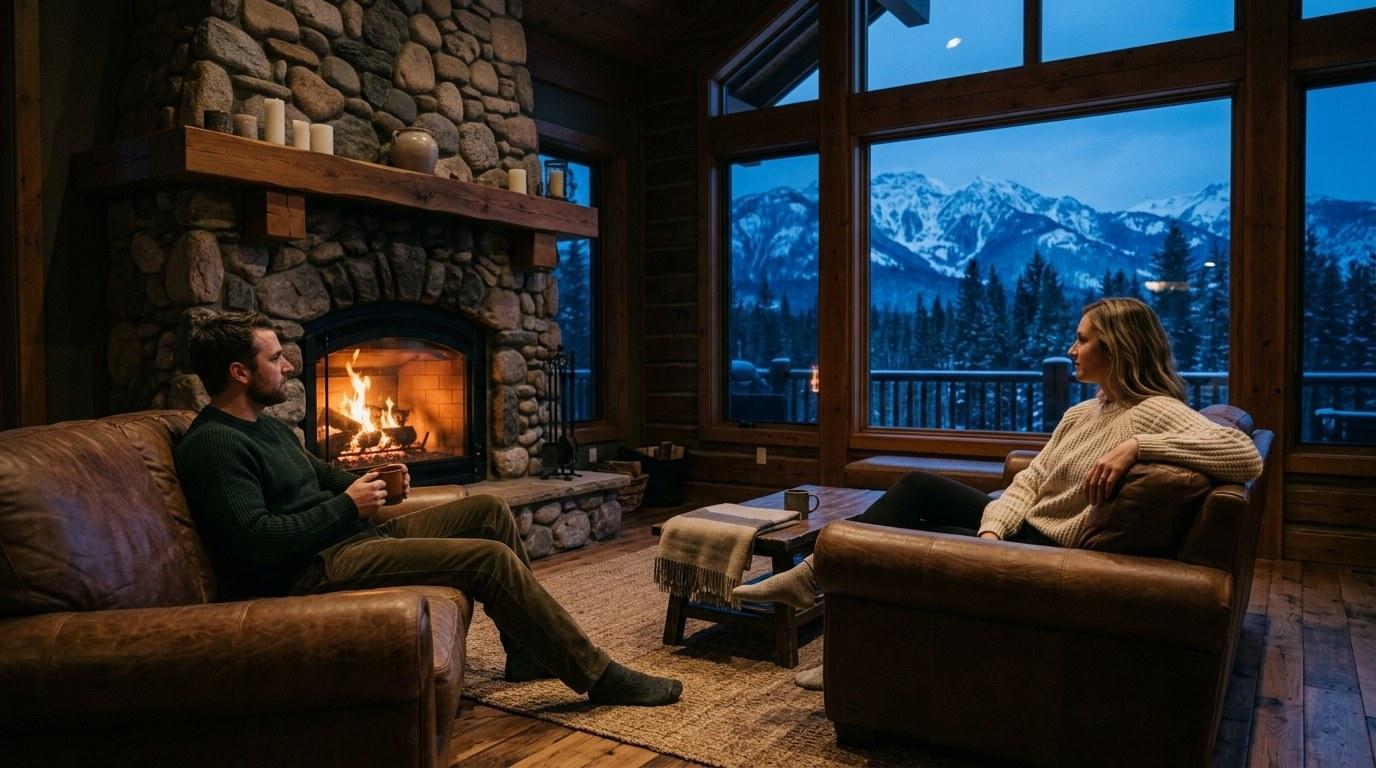
The right mountain base camp makes relaxation and recovery part of the adventure.
By a hospitality industry contributor.
You spend weeks, maybe months, planning the perfect mountain getaway. You research ski runs, reserve lift tickets, and map out hiking trails. You make dinner reservations and coordinate schedules. Yet, when it comes to lodging, the decision often gets simplified to a single question: “Where can we sleep?” This approach misses a key part of high-altitude travel: your home base isn’t just a place to rest. It’s a tool that helps you recover and handle the details of your trip.
The wrong choice can create hassles you didn’t expect. Think of time lost to grocery runs, mornings spent brewing weak coffee, or evenings navigating crowded parking lots. A better option is an experience where your lodging actively supports your vacation goals. The Frisco area has a long history of vacation rentals; according to the Town of Frisco, residential short-term rentals have been part of the local economy for over 40 years. Even so, travelers are increasingly looking for more than just a roof and four walls. They are seeking thoughtfully designed places, from a classic ski lodge to a boutique stay like the Frisco Inn on Galena Colorado, that handle the small details so you can focus on the adventure.
Quick answer: Choosing your lodging should be a key decision, not an afterthought. The right base camp can improve your trip by making travel easier, offering spaces to relax and recover, and providing extras that save you time and energy. Thinking of your lodging as part of the experience, rather than just a place to sleep, is key to a successful mountain vacation.
What’s inside
- What is the real cost of a ‘do-it-yourself’ rental?
- How does your lodging choice impact your daily schedule?
- Why is post-activity recovery so important at altitude?
- Frequently asked questions
What is the real cost of a ‘do-it-yourself’ rental?
The true cost of a rental often includes hidden time-wasters, hassles, and the lost chance to truly relax. While the sticker price might seem lower, you pay with your time and energy, the very things your vacation is supposed to give back. The daily tasks of life do not disappear in a rental. They simply relocate to a new kitchen and a different grocery store, eating up valuable hours.
This is a common trade-off in mountain towns. In Frisco, for example, the Town of Frisco notes there are only about 500 traditional hotel and motel rooms available. Because of this, many visitors choose rentals without thinking about the full cost. A rental puts you in the role of household manager. You are responsible for stocking the fridge, brewing the coffee, planning every meal, and cleaning up afterward. These small chores use up mental energy and keep you from fully relaxing.
❝ A useful rule of thumb is to budget one hour per day for “vacation admin” in a typical rental. This includes meal prep, cleanup, and supply runs. Over a five-day trip, that’s five hours you could have spent on the trail, in a hot tub, or simply resting.
This time cost is even bigger because of the physical demands of the mountains. At high altitude, proper recovery isn’t a luxury. It’s necessary to get the most out of your trip. A day of skiing or hiking requires more than just a bed for the night. It requires the right tools for recovery, whether that’s a sauna, a professional-grade hot tub, or simply a quiet, comfortable space to relax where you are not surrounded by a list of chores. The do-it-yourself approach can leave you feeling more tired than refreshed.
How does your lodging choice impact your daily schedule?
Your lodging directly affects the hassles of your trip. It determines how much time you spend on chores instead of enjoying the mountains. A place to stay is more than a room; it’s a system for living. How well that system works sets the pace and quality of your vacation, especially when dealing with the unique demands of a high-altitude environment.
The main impact is on your time. Your time in the mountains is limited. Every minute spent searching for a parking spot, waiting for coffee to brew, or planning a grocery run is a minute not spent on a trail or resting. These small tasks add up, costing you a lot of time over several days. The physical effects of the high altitude make this even worse. Staying hydrated, eating well, and getting enough rest are essential to adjust to the altitude and perform well. According to the Centers for Disease Control and Prevention, symptoms of altitude illness can affect anyone traveling above 8,000 feet. This makes planning for recovery a key part of high-altitude travel. Choosing a place that handles daily tasks for you frees up the time and mental energy you need to take care of yourself.
Consider how two different lodging types might shape a typical ski day:
|
Time |
Activity |
Full-Service Inn / Lodge |
DIY Rental Home |
|
7:00 AM |
Breakfast |
Gourmet breakfast prepared on-site. |
Prepare meal, brew coffee, clean up. |
|
8:00 AM |
Gear Prep |
Use dedicated ski locker near exit. |
Find space for gear; carry it to car. |
|
4:00 PM |
Post-Ski |
Head to on-site hot tub or sauna. |
Drive back, find parking, start dinner prep. |
|
6:00 PM |
Evening |
Enjoy included happy hour or walk to dinner. |
Cook dinner, wash dishes. |
|
8:00 PM |
Relaxation |
Relax in a common area or private room. |
Tidy up living space for the next day. |
This isn’t just about convenience; it’s about what you lose. The hours spent on household tasks in a rental are lost opportunities for the very experiences you came for.
❝ The best question to ask a host isn’t “What amenities do you have?” but “How do your amenities reduce the hassles of a mountain trip?” A property with a gourmet breakfast saves you an hour each morning. Secure, accessible gear storage removes daily clutter and hassle.
Before you reserve any stay, ask direct questions that get to the heart of the daily experience:
- What is your process for storing bulky gear like skis, snowboards, or mountain bikes?
- What specific food and beverage services are included, and what are their hours?
- Besides my room, are there comfortable common areas for reading or relaxing?
- How is parking managed, and is it guaranteed?
The answers will show if a property is just a place to sleep or a real asset for your vacation.
Why is post-activity recovery so important at altitude?
At high altitude, the physical stress from less oxygen changes how your body repairs itself. This makes recovery amenities a necessity, not a luxury. Above 8,000 feet, the air is thinner. Your body must work harder to do the same tasks, from hiking a trail to simply walking up a flight of stairs. This state, called hypoxia, puts a constant strain on your body. It directly affects how well you recover after being active.
This is not just about feeling sore. The body’s processes for repairing muscles, reducing swelling, and rehydrating all work less efficiently at high altitude. Ignoring this is a common mistake. It can lead to built-up fatigue, a higher risk of injury, and a worse experience later in your trip. Choosing a place that supports recovery gives you a real advantage, helping you get the most out of every day you have in the mountains.
Specific amenities become powerful tools in this environment. A well-maintained hot tub, for example, does more than just soothe tired legs. It works on two levels:
- Thermoregulation: The heat causes the widening of your blood vessels. This increases blood flow, which helps deliver oxygen and nutrients to tired muscles and flush out waste products.
- Hydrostatic Pressure: The physical pressure of the water on your body helps reduce swelling and can ease joint stiffness after a long day of impact.
A sauna or steam room offers similar benefits for your circulation through heat, helping to relax muscles and calm the nervous system.
❝ When looking at a property, ask the manager how they take care of their spa facilities. “What is your water testing and cleaning schedule for the hot tub?” is a much better question than “Do you have a hot tub?” The answer shows their commitment to guest health and the real quality of the amenity. A poorly maintained spa is a risk, not a benefit.
Effective recovery also goes beyond special facilities. High altitude can disrupt sleep patterns. A property that offers quiet, comfortable common areas for reading or relaxing provides a key space for your mind and body to wind down. This is a key difference between a purpose-built inn and a residential rental, where the living room is often a busy area filled with chores and distractions. Choosing a place that prioritizes recovery is an investment in your whole trip.
Frequently asked questions
What makes Frisco a unique mountain destination? Frisco calls itself the “Main Street to the Rockies” for a reason. Unlike purpose-built resort villages, it has a historic downtown and a year-round community feel. Its key location on the shores of the Dillon Reservoir and near major highways makes it a great base camp. You’re a short drive from several world-class ski areas without being tied to a single resort.
How central is Frisco for accessing different ski resorts? Its central spot in Summit County is its biggest advantage for getting around. From Frisco, you can typically reach Copper Mountain in about 15 minutes, Breckenridge in 20 to 25 minutes, and Keystone in about 25 minutes. Even Vail is a manageable 35 to 40-minute drive west on I-70, traffic permitting. This allows you to follow the best snow conditions or use multi-resort passes to their full potential.
How do I choose between an inn, hotel, or rental for my trip? Your choice should match your main goal. If you want to spend the most time on the mountain and the least time on chores, a full-service inn with included breakfast and recovery amenities is the best choice. A larger hotel might offer more on-site services like restaurants and pools, while a private rental provides more space and a kitchen, but requires you to manage all your own meals, supplies, and cleanup.
Why is it important to reserve Frisco lodging far in advance? The town has a very limited supply of traditional lodging. According to the Town of Frisco, there are only about 500 hotel and motel rooms in total. This limited supply, combined with very high demand during peak ski season, holidays, and summer weekends, means that the best places are reserved many months, or even a year, ahead of time. Waiting until the last minute often leaves you with fewer options and higher prices.
What are the advantages of staying in Frisco during the summer? In the summer, Frisco becomes a hub for hiking, mountain biking, and water sports. The Frisco Bay Marina on Lake Dillon offers boat, kayak, and paddleboard rentals. Paved bike paths connect Frisco to Vail, Breckenridge, and Dillon, offering miles of scenic riding. The milder weather and long days make it an excellent time to explore the high country, and the central location remains just as valuable for accessing trailheads as it is for ski resorts.
The Bottom Line: Your Lodging is Part of Your Gear
Choosing where you stay in the high country is a decision as important as picking the right skis or hiking boots. Your lodging is not just a place to sleep. It’s a tool that directly affects your trip’s quality and your ability to enjoy the mountains. The main question isn’t about comparing nightly rates. It’s about figuring out the hidden cost of daily hassles. Every hour spent on grocery runs, meal prep, or gear management is an hour you cannot spend on the trail, on the slopes, or in active recovery.
The basic trade-off is between a do-it-yourself space and a full-service system. A rental property offers privacy and a kitchen, but it also gives you the role of trip manager, responsible for every detail from coffee in the morning to cleaning up at night. A well-run inn, on the other hand, is designed as a complete system to remove those hassles. It plans for the needs of a mountain traveler, with efficient breakfasts, accessible gear storage, and dedicated recovery amenities, freeing up your time and energy.
Ultimately, your decision should be guided by a single principle: does this lodging choice add to my experience, or does it add to my to-do list? In a place where altitude makes activity and recovery harder, cutting down on daily chores is not a luxury. It is a key part of a successful and refreshing mountain vacation.
About the author
The hospitality team at the Frisco Inn on Galena Colorado manages a small, European-style inn in the heart of Frisco. The inn focuses on creating a refreshing space for mountain travelers. It provides lodging along with amenities such as a gourmet breakfast and an on-site spa. Their goal is to offer a comfortable base for guests exploring Summit County’s year-round activities, from world-class skiing to summer hiking and biking.