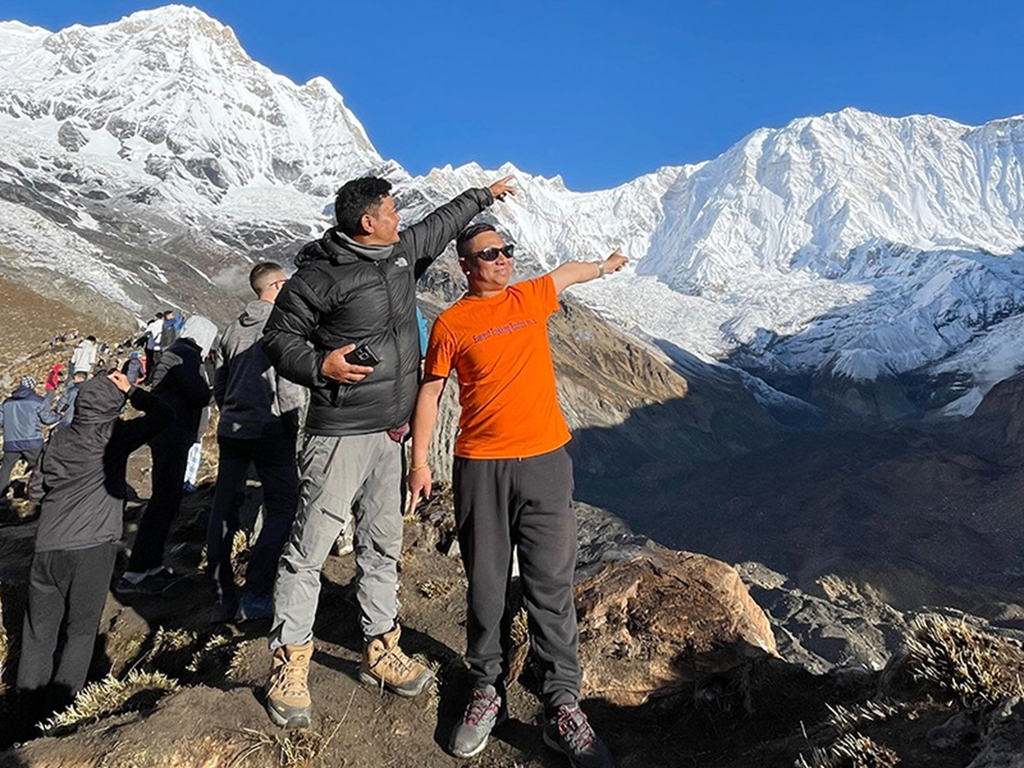
Ask ten trekkers which Nepal route they’d recommend and you’ll probably get ten different answers, and honestly, that’s the problem. Nepal trekking isn’t a single experience — it’s a whole spread of them, from short valley walks you can finish in a week to high-altitude circuits that test your lungs and your patience in equal measure. The Annapurna Base Camp Trek, Langtang Valley Trek, Manaslu Circuit Trek, and Everest Three Passes Trek are four of the most talked-about options, and they each pull a very different kind of trekker.
Picking one just because it’s famous is where a lot of people go wrong. A trek that looks incredible in photos might not suit your fitness level, your available time off work, or how your body handles altitude. Himalayan trekking rewards people who match the route to their own limits rather than to someone else’s Instagram feed. This guide breaks down what each of these four treks actually involves — the terrain, the altitude, the culture, the effort — so that choosing the right Nepal trek becomes a matter of fit, not guesswork.
Nepal Trekking at a Glance
Before getting into specifics, it helps to see how these four routes sit next to each other. The Annapurna Base Camp Trek is a relatively compact journey into a mountain sanctuary ringed by peaks. Langtang Valley is closer to Kathmandu and leans heavily into Tamang culture and accessible mountain scenery. Manaslu Circuit trades popularity for remoteness, looping around one of the world’s eighth-highest peaks through villages that still feel genuinely untouched. And the Everest Three Passes Trek is the outlier here — a demanding, high-altitude adventure through the Khumbu that crosses three separate mountain passes rather than following one straightforward trail.
All four involve teahouse trekking, meaning you sleep and eat in family-run lodges along the trail rather than camping. Beyond that shared thread, the differences in altitude, duration, and physical demand are significant enough that they deserve separate consideration.
Annapurna Base Camp Trek Overview
The Annapurna Base Camp Trek takes you straight into the heart of the Annapurna Sanctuary, a natural amphitheater of peaks that includes Annapurna I and the striking, fishtail-shaped Machapuchare. What makes this trek stand out is how much scenery changes along the way — you start in warm, terraced farmland, pass through rhododendron and bamboo forest, cross suspension bridges over glacial rivers, and eventually climb into an alpine bowl surrounded by snow walls on nearly every side.
Route progression matters here more than on some other treks, because the landscape genuinely shifts day by day. Early stages wind through Gurung and Magar villages with stone houses and terraced fields; later stages strip away the greenery until you’re walking on moraine with the Annapurna mountain range towering above you. Altitude on this trek typically tops out around 4,130 meters at Annapurna Base Camp itself, which is high enough to require some acclimatization awareness but nowhere near the extremes of a high-pass route.
This is part of why the ABC trek appeals so strongly to first-timers — it delivers a genuine high-mountain experience without demanding weeks of preparation or specialized mountaineering skill. Experienced trekkers like it too, mostly because the daily variety keeps things interesting even on a shorter itinerary. It’s physically demanding in stretches, particularly the steep stone staircases near Chhomrong, but it doesn’t require the same sustained altitude exposure as Manaslu or Everest. For travelers wanting a proper Himalayan journey without committing three or four weeks, trekking in the Annapurna region hits a sweet spot that few other routes manage.
Langtang Valley Trek Overview
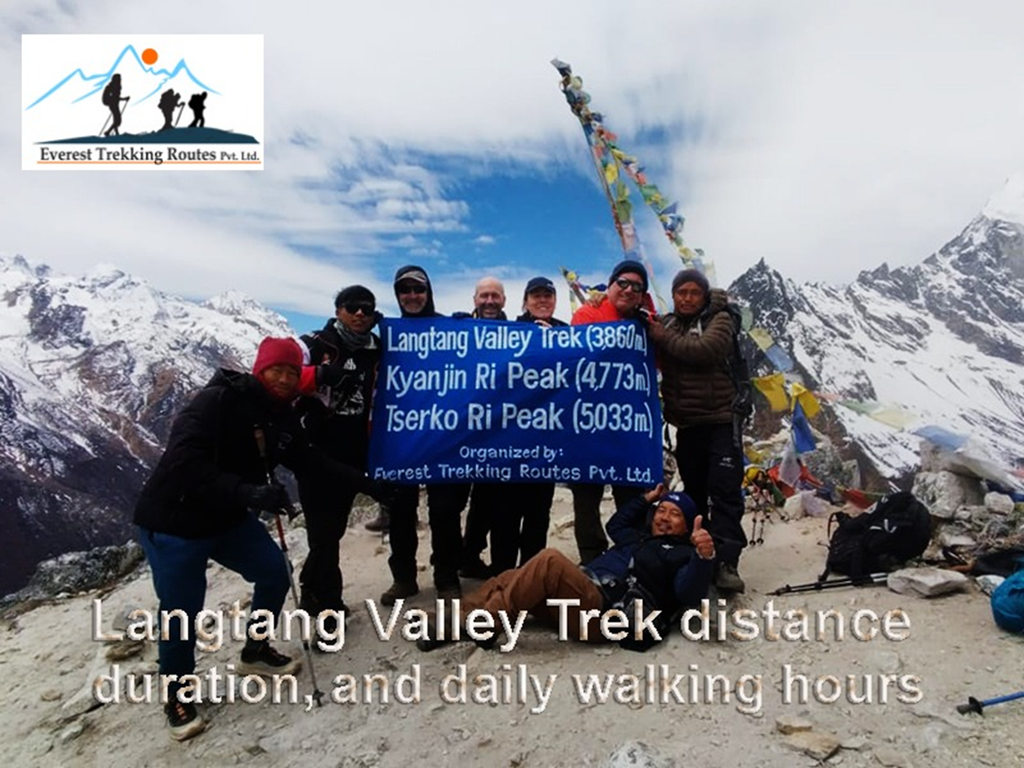
North of Kathmandu, and reachable by road in a single day, lies the Langtang Valley — a route that feels different from the Annapurna and Everest regions almost immediately. The Langtang Valley Trek follows the Langtang Khola upstream through forest, past waterfalls, and into a broad highland valley flanked by the Langtang Himal. It’s inside Langtang National Park, and the trail passes through villages where Tamang culture is still very much alive — you’ll notice it in the architecture, the prayer flags, the local monasteries, and the pace of daily life in places like Langtang village and Mundu.
Kyanjin Gompa serves as the main hub near the trek’s upper end, and from there most trekkers add a side trip up Kyanjin Ri or Tserko Ri for panoramic mountain views before heading back down. Altitude here maxes out around 3,870 to 4,984 meters depending on which side excursions you take, so acclimatization still matters, but the trek’s shorter length — often seven to ten days — means the altitude gain is more gradual than on longer routes.
What really sets Langtang apart is the balance it strikes. It’s not chasing a dramatic base camp or a punishing pass; it’s offering a genuine mountain and cultural experience for trekkers who don’t have three weeks free. If you’re comparing a valley-focused trek against a high-pass expedition, Langtang sits firmly in the former camp — less about physical extremes, more about landscape and local life. That makes it a smart pick for anyone easing into high-altitude trekking for the first time, or simply short on vacation days.
Manaslu Circuit Trek Overview
The Manaslu Circuit Trek occupies a different category altogether. This is a genuine circuit route, looping around Mount Manaslu — the eighth-highest mountain in the world — through terrain that shifts from subtropical lowlands to high alpine desert over the course of two to three weeks. Unlike Annapurna or Everest, Manaslu still sees relatively few trekkers, and that remoteness shapes the whole experience: quieter trails, more traditional villages, and a stronger sense that you’re passing through rather than following a well-worn tourist circuit.
The cultural shift along the route is notable. Lower villages carry Gurung influence, while the upper Nubri and Tsum areas are strongly Tibetan Buddhist, dotted with monasteries, mani walls, and chortens. The trek’s high point is Larkya La Pass, sitting at roughly 5,106 meters, and crossing it typically requires an early start and a long, cold day of walking before descending into the Manaslu Conservation Area’s western side.
Because Manaslu is a restricted area, it does require a licensed guide and a special permit alongside the standard conservation area permit — though it’s worth checking current regulations directly, since restricted-area rules in Nepal can be adjusted from season to season rather than staying fixed indefinitely. Preparation matters more here than on Annapurna or Langtang; the combination of altitude, distance, and limited teahouse infrastructure in the upper sections means trekkers should already have some multi-day hiking experience. Anyone drawn to remote trekking in Nepal, real cultural immersion, and a serious mountain pass challenge — without the crowds of Everest — tends to find Manaslu deeply rewarding.
Everest Three Passes Trek Overview
Of the four, the Everest Three Passes Trek is the most physically demanding by a wide margin. Rather than following a single trail to a single destination, it links together Renjo La, Cho La, and Kongma La — three high passes, each above 5,300 meters — while weaving through the classic Everest Base Camp trail and the stunning Gokyo Lakes on the way. It’s essentially a “greatest hits” route through the Khumbu, taking in Everest Base Camp, Kala Patthar’s mountain panoramas, and the turquoise Gokyo Lakes, all in one extended loop.
Among Everest trekking routes, this is the one built for people who’ve already done a Himalayan trek or two and want more. The three-pass structure means repeated cycles of gaining serious altitude, crossing exposed terrain, and dropping back down — which is exhausting even for fit trekkers, and genuinely risky for anyone underprepared. Weather on the passes can turn quickly; snow, wind, and icy trail sections are common even outside the coldest months, so route conditions deserve daily attention rather than a one-time check before departure.
Sherpa culture runs through the entire journey — Namche Bazaar, Tengboche Monastery, and the string of villages along the way all reflect a region shaped by mountaineering history and Buddhist tradition. Acclimatization days are non-negotiable here; skipping them to save time is one of the more common mistakes trekkers make on this route. If a classic Everest Base Camp trek is the well-trodden introduction to the Khumbu, the Three Passes route is the advanced course — longer, tougher, and considerably more rewarding for those who’ve put in the preparation.
Which Nepal Trek Should You Choose?
Choose Annapurna Base Camp if…
You want a compact Himalayan experience with genuinely varied scenery — forest, terraces, river gorges, and a dramatic mountain sanctuary — wrapped into a moderate trekking challenge that doesn’t demand months of training.
Choose Langtang Valley if…
Time is tight, you want a shorter Himalayan journey, and you’d rather soak in valley scenery and Tamang culture than push through major high-altitude passes.
Choose Manaslu Circuit if…
Remote trails and cultural immersion matter more to you than trekking somewhere famous, and you’re ready for a full circuit trek with a serious high mountain pass at its center.
Choose Everest Three Passes if…
You’ve got real trekking experience already, you’re chasing a demanding high-altitude adventure, and the idea of standing above 5,300 meters three separate times sounds like a feature, not a drawback.
Difficulty, Altitude and Preparation
Comparing these four on a single difficulty scale is tempting but a bit misleading, since so much depends on itinerary length, weather, and how your own body handles altitude — some people struggle at 3,500 meters while others feel fine at 5,000. That said, some general patterns hold. Daily walking hours run longest on Manaslu and Everest Three Passes, often six to eight hours through steep ascents and descents. Elevation gain is steepest and most sustained on the two pass-crossing routes, while Annapurna and Langtang involve gentler, more gradual climbs.
Acclimatization days should never be treated as optional on any route above 3,500 meters. Altitude sickness doesn’t care how fit you are on flat ground. Good trekking poles, broken-in hiking boots, and proper warm layers matter across all four treks, but they become genuinely essential on Manaslu and Everest, where nighttime temperatures near the passes drop well below freezing even outside winter.
Best Time, Permits and Practical Planning
Spring (March to May) and autumn (September to November) are the two main trekking seasons in Nepal, and for good reason — clearer skies, stable weather, and manageable temperatures across most altitudes. Winter is workable on lower routes like Langtang or Annapurna but turns risky on high passes such as Larkya La or the Everest Three Passes route, where snow can close trails entirely. Monsoon season (June to August) brings leeches, landslides, and obscured mountain views, so most trekkers avoid it outside the rain-shadow regions like Upper Mustang.
Permit requirements vary by route and do change over time, so it’s worth confirming the latest rules directly with Nepal’s tourism authorities or a licensed trekking agency before booking anything. Annapurna and Langtang require conservation area or national park permits. Manaslu needs a restricted area permit plus a guide, given its protected status. Everest region trekking requires a local municipality permit and Sagarmatha National Park entry. Guide requirements have shifted in recent years for several regions, so don’t assume older information still applies — check before you go.
Cost, Accommodation, Food and Logistics
Rather than quoting a fixed number that’ll be outdated within a year, it’s more useful to understand what actually drives Nepal trekking cost. Guide and porter fees, permit costs, transportation to and from the trailhead, teahouse accommodation, meals, and any equipment you rent instead of buy — all of these add up differently depending on the route, the season, and how many people are splitting guide and porter costs.
Teahouses along all four routes offer basic but comfortable rooms, usually with shared bathrooms in the more remote stretches. Meals lean heavily on dal bhat, noodles, and simple carb-heavy dishes that keep energy up at altitude. Travel insurance with high-altitude and evacuation coverage isn’t optional — it’s a genuine safety requirement, particularly on Manaslu and Everest Three Passes. Budget some reserve funds too; weather delays, extra nights, or a change in itinerary happen more often than people expect.
How to Prepare for Your Nepal Trek
Start building walking endurance weeks, ideally months, before you fly out — regular hiking with a loaded pack beats treadmill sessions every time. Practice both uphill and downhill walking, since descents are often harder on the knees than climbs. Break in your hiking boots well before departure; new boots on day one of a trek is a recipe for blisters. Pack proper layers for temperature swings that can hit 20 degrees Celsius in a single day, understand the basics of altitude acclimatization, and carry your permits, insurance details, and emergency contacts somewhere accessible. Build in a few spare days too — weather and trail conditions in the Himalayas rarely follow a strict schedule.
Final Thoughts
Four treks, four very different kinds of reward. Choose the Annapurna route for a compact mountain experience that packs in variety without demanding weeks of your life. Choose Langtang for valley scenery, Tamang culture, and a gentler introduction to the Himalayas. Choose Manaslu if remoteness and a genuine circuit trek with a serious mountain pass appeal to you more than a well-known name. And choose Everest Three Passes if you want a demanding, high-altitude adventure that pushes past the standard base camp trail.
Still unsure which route fits your time, fitness, and trekking goals? Talk with a Nepal trekking specialist, compare the itineraries side by side, and build the route around the experience you actually want — not simply the trek with the biggest name attached to it.
FAQs
Which is the easiest trek among Annapurna Base Camp, Langtang Valley, Manaslu Circuit and Everest Three Passes?
Langtang Valley is generally considered the most accessible of the four, thanks to its shorter length and lower maximum altitude. That said, fitness level and itinerary pacing affect difficulty as much as the route itself.
Which Nepal trek is best for first-time trekkers?
Annapurna Base Camp or Langtang Valley suit most beginners better than Manaslu or Everest Three Passes. Route length and altitude exposure matter more than simply being new to trekking — a fit beginner on a well-paced itinerary can handle more than an unprepared “experienced” trekker.
How difficult is the Manaslu Circuit Trek?
It’s a genuinely challenging trek — long daily walking hours, sustained altitude gain, a demanding crossing at Larkya La above 5,100 meters, and a remote setting with fewer support services than Annapurna or Everest.
Is the Everest Three Passes Trek harder than Everest Base Camp?
Yes, noticeably. The classic EBC trek follows one trail to one destination, while Three Passes adds three separate crossings above 5,300 meters, each demanding fresh acclimatization and more technical trail conditions.
What is the best month for trekking in Nepal?
October and April are widely regarded as the strongest months overall, offering clear mountain views and stable weather. High-pass routes need extra attention to snow and wind conditions even during these favorable windows.
Do I need a guide and permits for trekking in Nepal?
It depends on the specific route — Manaslu requires a licensed guide due to its restricted status, and requirements for other regions have shifted in recent years. Always confirm the current rules with an official source or licensed agency before departure.
Contact Details
Everest Trekking Routes Pvt. Ltd.
16 Khumbu, Nayabazaar, Kathmandu, Nepal
Mobile : +977-9843467921 (Rabin)
Email: [email protected]